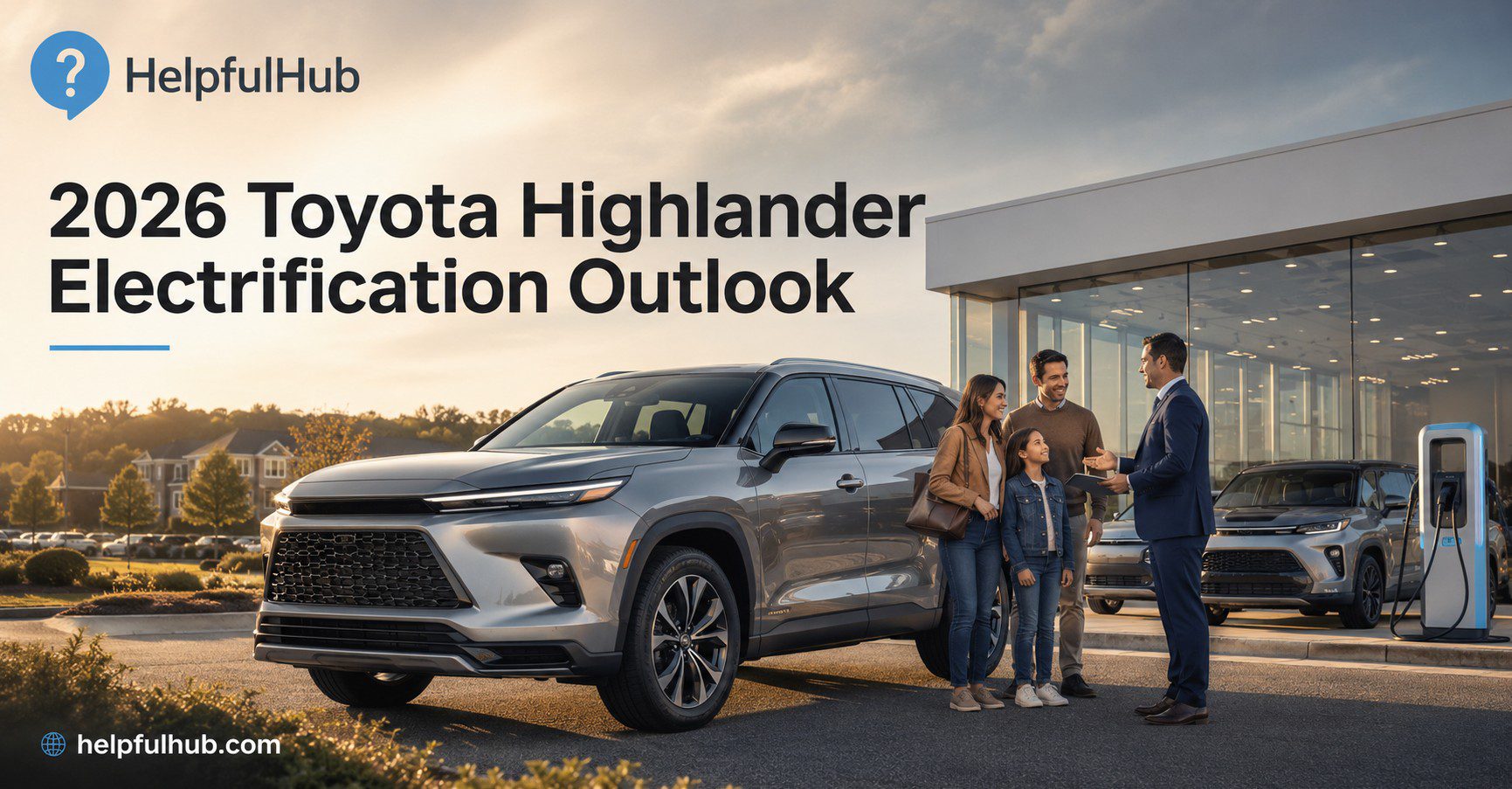
2026 Toyota Highlander Electrification Outlook: Hybrid, PHEV, EV Future, and Buyer Guide
This guide explains the 2026 Toyota Highlander electrification outlook for US family SUV shoppers. It focuses on confirmed Highlander details, Highlander Hybrid context, Grand Highlander Hybrid comparison, plug-in hybrid outlook, full EV outlook, ownership cost, insurance, maintenance, financing, and dealership shopping decisions. For a wider Toyota lineup view, see the 2026 Toyota Models USA guide.
Quick Answer
The 2026 Toyota Highlander electrification outlook is mostly about hybrid family SUV choices today, not a confirmed full EV Highlander. Toyota lists the Highlander as a midsize three-row family SUV, and shoppers should separate confirmed Highlander and Highlander Hybrid information from future plug-in hybrid or EV expectations. Families who want Toyota hybrid efficiency now should compare Highlander Hybrid availability with Grand Highlander Hybrid and Grand Highlander Hybrid MAX options, especially if third-row space and cargo room are priorities. Buyers who want plug-in charging today should compare the 2026 Toyota RAV4 Hybrid and Plug-in Hybrid. Buyers who want a full Toyota EV should compare the 2026 Toyota C-HR EV and 2026 Toyota bZ Woodland. Before purchasing, verify current pricing, trim availability, destination charge, incentives, accessories, dealer fees, fuel economy estimates, insurance quotes, and financing or lease terms with Toyota or local dealers.
2026 Toyota Highlander Electrification Outlook: What US Buyers Should Know
The 2026 Toyota Highlander electrification outlook is best understood as a buyer decision guide, not a promise that every future powertrain is available today. Toyota already has strong hybrid experience across cars, SUVs, and trucks. However, a Highlander Plug-in Hybrid or Highlander EV should not be treated as confirmed unless Toyota officially announces it.
For families, the practical question is simple: which Toyota SUV makes the most sense right now? A gas Highlander may fit buyers who want a familiar three-row SUV. A Highlander Hybrid may fit families who want stronger fuel efficiency without changing their refueling routine. A Grand Highlander Hybrid may appeal to families that need more space. Meanwhile, plug-in and EV buyers may need to look at other Toyota models.
This matters because many US shoppers are trying to balance daily commuting, school pickup, weekend sports, highway travel, insurance costs, and long-term value. A hybrid SUV can reduce fuel use without requiring home charging. A plug-in hybrid can be excellent for short electric driving when charging is easy. A full EV can work well for many households, but charging access and road-trip habits matter.
Why Highlander Matters in Toyota’s USA Lineup
The Highlander has long been important because it targets the heart of the US family SUV market. It is not a small commuter crossover, and it is not a rugged truck-based SUV. Instead, it serves families that want three-row seating, everyday comfort, road-trip usefulness, and Toyota familiarity.
In Toyota’s broader 2026 lineup, Highlander works as a bridge between compact family crossovers and larger three-row options. That is why electrification is so important. Families that once only compared seat count and cargo room now also compare hybrid systems, fuel cost, charging access, insurance, and resale value.
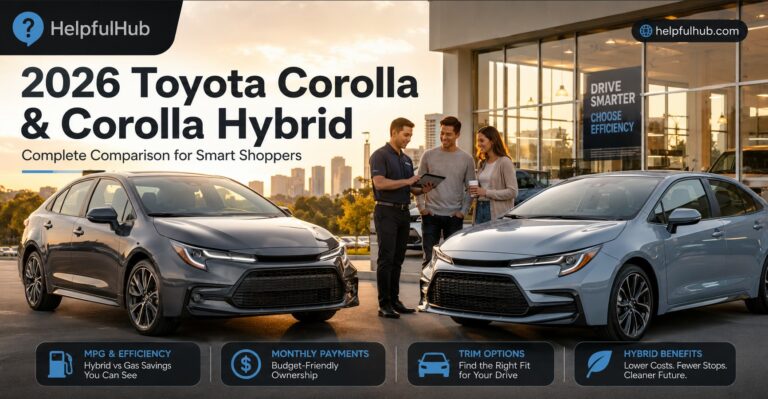
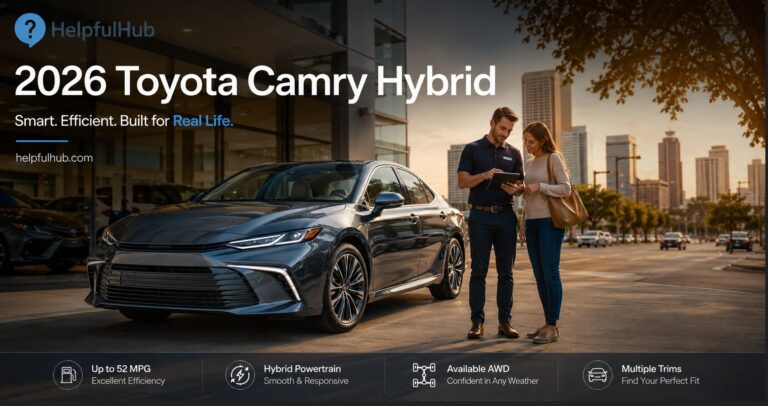
Buyers who are researching the Toyota 2026 lineup may also compare non-SUV hybrids such as the 2026 Toyota Camry Hybrid or the 2026 Toyota Corolla and Corolla Hybrid. However, Highlander buyers usually need more cabin flexibility and family utility than a sedan can provide.
What Is Confirmed for the 2026 Toyota Highlander
Toyota positions the 2026 Highlander as a midsize three-row family SUV with flexible seating and storage. Toyota describes Highlander as offering seating for up to eight, depending on configuration. For many families, that means it can handle daily commuting during the week and longer family trips on weekends.
For the 2026 Highlander gas model, Toyota lists a 2.4-liter turbocharged four-cylinder engine with 265 horsepower and 310 lb-ft of torque. Toyota also lists standard AWD for 2026 Highlander gas models and a manufacturer-estimated 24 MPG combined rating for gas models. Buyers should still confirm trim-level details, equipment, and current availability with a Toyota dealer before purchasing.
Toyota also confirms Highlander Hybrid availability in the 2026 Highlander family, with Toyota information referencing a manufacturer-estimated combined MPG rating of up to 35 for the hybrid. Hybrid details may vary by grade, drivetrain, equipment, and availability. Therefore, buyers should use Toyota’s current Build and Price tools and local dealer inventory to verify exact options.
Confirmed vs Outlook: 2026 Highlander Electrification
| Topic | Current Buyer Meaning | Status to Verify |
|---|---|---|
| Gas Highlander | Confirmed gas option for buyers who want a familiar SUV ownership experience. | Verify trim, equipment, pricing, destination charge, and local inventory. |
| Highlander Hybrid | Confirmed hybrid direction for families wanting better fuel efficiency without plug-in charging. | Verify grade availability, AWD details, fuel economy estimate, and dealer stock. |
| Highlander Plug-in Hybrid | Useful future possibility to watch, but not something buyers should assume is available. | Not confirmed unless Toyota announces it officially. |
| Highlander EV | Possible long-term electrification topic, but not a confirmed Highlander product. | Not confirmed unless Toyota announces it officially. |
| Grand Highlander Hybrid | Important comparison for families needing more space or different powertrain choices. | Verify current trims, hybrid options, pricing, and availability. |
What Is Not Confirmed Yet
The most important part of the 2026 Toyota Highlander electrification outlook is knowing what not to assume. A Highlander Plug-in Hybrid is not something buyers should treat as confirmed unless Toyota announces it. A full Toyota Highlander EV is also not confirmed unless official Toyota information says so.
This distinction protects buyers from making decisions based on rumors. It is reasonable to watch Toyota’s electrified SUV strategy because Toyota sells hybrids, plug-in hybrids, and EVs in different parts of the lineup. However, outlook is not the same as availability.
If you need a family SUV now, shopping based on confirmed vehicles is safer. If you want a plug-in or full EV specifically, compare Toyota models that already match that need. The hybrid and EV ownership guide can help you understand the broader shift toward electrified driving before you decide whether to wait.
Highlander Gas vs Highlander Hybrid: Buyer Context
Gas vs hybrid is the most practical Highlander electrification decision for many families. A gas Highlander may appeal to buyers who want simpler shopping, strong highway flexibility, and no concern about hybrid availability in their area. It may also be easier to find in certain dealer inventories, depending on location.
A Highlander Hybrid may appeal to families that drive a lot in city and suburban conditions. Hybrid systems can be especially useful in stop-and-go driving because they can assist the gas engine and improve efficiency. However, real-world results vary with weather, speed, tires, cargo, terrain, and driving habits.
Neither choice is automatically right for every household. A family driving mostly short urban routes may value the hybrid more. A family that tows, drives long highway routes, or finds a better deal on a gas model may choose differently. The right answer depends on total cost, not just fuel economy.
Highlander Gas vs Highlander Hybrid Buyer Comparison
| Buyer Question | Gas Highlander | Highlander Hybrid |
|---|---|---|
| Best fit | Families wanting a familiar gas SUV with standard AWD context. | Families wanting better fuel efficiency without charging. |
| Charging needed | No charging needed. | No plug-in charging needed. |
| Fuel cost outlook | Depends on gas prices, mileage, route type, and driving habits. | Can be better for many commuters, especially in mixed driving. |
| Shopping risk | Compare trims, dealer fees, and incentives carefully. | Check availability because hybrid demand can vary by region. |
| Best next step | Test-drive and compare monthly payment. | Compare fuel savings against price, insurance, and availability. |
Highlander Hybrid vs Grand Highlander Hybrid
The Grand Highlander Hybrid is one of the most important comparisons for families studying Toyota Highlander electrification. It gives shoppers another three-row Toyota hybrid direction, especially if the regular Highlander feels slightly tight for older kids, adults in the third row, or road-trip cargo.
The Highlander Hybrid may be enough for families that want a midsize footprint, efficient daily driving, and occasional use of the third row. The Grand Highlander Hybrid may make more sense for families that regularly use all three rows or travel with luggage, sports gear, strollers, or pets.
Grand Highlander Hybrid MAX also matters because it gives buyers a performance-oriented hybrid option in the broader Toyota family SUV world. Still, buyers should not assume it is the right choice without checking price, fuel economy estimates, insurance, and availability.
Highlander Hybrid vs Grand Highlander Hybrid Buyer Fit Table
| Buyer Type | Highlander Hybrid May Fit | Grand Highlander Hybrid May Fit |
|---|---|---|
| Small family with occasional third-row use | Strong fit if space feels adequate during a test drive. | May be more vehicle than needed. |
| Family using three rows often | Check third-row comfort carefully. | Often worth comparing because of added family space. |
| Road-trip family | Good if cargo needs are moderate. | Better to compare if luggage space is a priority. |
| Hybrid shopper focused on monthly cost | Compare payment, insurance, and fuel savings. | May cost more, so total ownership cost matters. |
| Buyer wanting stronger hybrid performance | Check available grades and performance feel. | Compare Hybrid MAX if available and suitable. |
Plug-in Hybrid Highlander Outlook
A future Highlander Plug-in Hybrid would make sense to many buyers on paper. It could combine three-row family practicality with electric driving for short trips and gas flexibility for road trips. However, buyers should not treat a 2026 Toyota Highlander Plug-in Hybrid as confirmed unless Toyota officially confirms it.
For now, the safest way to discuss a Highlander PHEV is as an outlook topic. Toyota already understands plug-in hybrid technology in other vehicles, and US shoppers are increasingly aware of plug-in choices. Still, vehicle planning, battery packaging, pricing, charging standards, emissions rules, and demand can all affect what Toyota decides to sell.
If you want plug-in charging right now, waiting for an unconfirmed Highlander PHEV may not be the best strategy. Instead, compare confirmed Toyota plug-in options and decide whether a smaller SUV can meet your family needs.
Full EV Highlander Outlook
A Toyota Highlander EV would be a major shift because it would need to serve family SUV buyers who expect space, comfort, long-distance confidence, and predictable ownership costs. But a Highlander EV is not confirmed for the 2026 Highlander. That means shoppers should avoid making buying plans around an electric Highlander unless Toyota announces one.
The full EV question is different from the hybrid question. A hybrid Highlander still uses gasoline and does not require home charging. A full EV depends much more on charging access, local electricity rates, route planning, cold-weather range changes, and public charging availability.
For some US households, a full EV is already practical. For others, especially apartment dwellers or road-trip-heavy families, a hybrid may feel more convenient. That is why the Toyota Highlander EV future should be watched, but not assumed.
RAV4 Plug-in Hybrid as a Toyota PHEV Alternative
The RAV4 Plug-in Hybrid is the Toyota alternative to consider if you want plug-in capability today and do not need a Highlander-size three-row SUV. It can make sense for commuters who can charge at home and want to reduce gasoline use on short daily trips.
The trade-off is size. A RAV4 is not a three-row family SUV in the same way Highlander is. If your household needs extra passenger flexibility, car seats, teen passengers, or frequent cargo room, test the RAV4 carefully before choosing it over a Highlander.
For a deeper look at Toyota’s plug-in option, read the Toyota RAV4 Plug-in Hybrid guide. Use that comparison only as plug-in context, not as a direct replacement for every Highlander family buyer.
C-HR EV and bZ Woodland as Toyota EV Alternatives
Buyers who want a full Toyota EV should look beyond Highlander. The 2026 Toyota C-HR EV and 2026 Toyota bZ Woodland show Toyota’s EV direction for shoppers who are ready for charging and all-electric driving.
The C-HR EV is better viewed as a compact EV alternative, not a three-row Highlander substitute. It may suit commuters, couples, or small families who prioritize electric driving and city-suburban usability. The bZ Woodland is a more rugged EV direction and may appeal to buyers who want more adventure styling and electric SUV character.
For detailed EV-specific research, compare the Toyota compact EV guide and the Toyota rugged electric SUV guide. Highlander shoppers should focus on whether those EVs actually fit their passenger and cargo needs.
Toyota Family SUV Electrification Alternatives
| Model Direction | Why It Matters | Best Buyer Fit |
|---|---|---|
| Highlander Gas | Confirmed midsize three-row family SUV choice. | Families wanting familiar gas ownership. |
| Highlander Hybrid | Electrified Highlander option without plug-in charging. | Families wanting fuel efficiency and three-row utility. |
| Grand Highlander Hybrid | Larger three-row Toyota hybrid context. | Families needing more space and cargo flexibility. |
| RAV4 Plug-in Hybrid | Plug-in Toyota SUV alternative. | Buyers who can charge and can use a smaller SUV. |
| C-HR EV | Compact full EV Toyota option. | EV-focused buyers with smaller family needs. |
| bZ Woodland | Rugged-style full EV Toyota SUV option. | EV buyers wanting more adventure-focused character. |
Hybrid vs Plug-in Hybrid vs EV for Families
Hybrid, plug-in hybrid, and EV choices solve different problems. A hybrid is usually easiest because it does not require a charger. A plug-in hybrid can be excellent when your daily route is short and charging is convenient. A full EV can reduce gasoline use completely, but it makes charging access more important.
Families should start with daily life, not technology labels. Think about commute distance, school runs, weekend trips, parking access, winter driving, road-trip frequency, and how often the third row is used. The best electrified SUV is the one that works on your busiest day, not just your easiest day.
Hybrid vs Plug-in Hybrid vs EV Family SUV Decision Table
| Powertrain Type | Main Advantage | Main Watchout | Best Family Use |
|---|---|---|---|
| Hybrid | Better efficiency without charging. | Still uses gasoline. | Families wanting simple electrified ownership. |
| Plug-in Hybrid | Can use electric driving for short trips when charged. | Needs charging to get the most benefit. | Homeowners or renters with reliable charging access. |
| Full EV | No gasoline use during normal driving. | Charging access and range planning matter. | Families with home charging or dependable public charging. |
| Gas | Simple fueling and broad road-trip familiarity. | Fuel cost depends on gasoline prices and driving habits. | Families who prioritize simplicity and availability. |
Home Charging vs No Charging Access
Charging access is one of the biggest reasons a Highlander Hybrid may make more sense than waiting for a plug-in or EV. If you can charge at home, a plug-in hybrid or EV can be convenient. If you cannot charge at home, public charging needs to be reliable enough for your routine.
Apartment charging can be difficult in some areas. Some workplaces offer charging, but policies and availability can change. Public chargers can work well, but they are not always located where families need them during school mornings, grocery runs, or late-night travel.
Before waiting for a future plug-in Highlander or Highlander EV, check your real charging situation. A confirmed Highlander Hybrid may be the more practical electrified choice if you have no reliable place to plug in.
Home Charging vs No Home Charging Decision Table
| Charging Situation | Best Direction to Consider | Buyer Note |
|---|---|---|
| Garage or driveway with charging option | Hybrid, plug-in hybrid, or EV | Get an electrical quote before depending on home charging. |
| Apartment with reliable chargers | Plug-in hybrid or EV may work | Confirm cost, access rules, and charger reliability. |
| No home charging | Hybrid or gas may be easier | Do not depend only on public charging unless it fits your routine. |
| Frequent road trips | Hybrid, gas, or carefully planned EV | Check route charging, weather effects, and family time needs. |
| Short commute and second household vehicle | Plug-in hybrid or EV may be appealing | Consider whether the second vehicle covers long trips. |
Daily Commuting, School Runs, and Family Use
Most Highlander buyers do not buy only for weekend trips. They buy for daily life. That includes commuting, school drop-off lines, grocery runs, sports practices, medical appointments, and visiting family across town.
In this type of use, a Highlander Hybrid can be attractive because it does not ask the family to change habits. You fuel it like a normal SUV, but the hybrid system can improve efficiency in many driving situations. It can be especially appealing for suburbs with traffic lights, short trips, and mixed-speed roads.
However, families should test the interior carefully. Bring car seats if needed. Check second-row access, third-row entry, cargo room with the third row up, and visibility from the driver’s seat. A powertrain choice only matters if the SUV works as a family tool.
Road Trips and Long-Distance Family Travel
Road trips are where many families become cautious about full EVs. A hybrid Highlander can be reassuring because it combines electrified efficiency with gasoline refueling. For families driving across states, visiting national parks, or traveling during holidays, that convenience can matter.
A plug-in hybrid can also be strong for road trips because it can use gasoline after its electric driving benefit is used. However, if a Highlander Plug-in Hybrid is not confirmed, buyers should not wait for it without a clear reason. Compare available models instead.
Full EV road trips can work, but they require more planning. Weather, speed, hills, tire type, cargo load, and charger availability can affect range and charging time. Families with young kids may also value predictable stops and shorter refueling times.
Ownership Cost, Insurance, and Maintenance
Ownership cost is bigger than monthly payment. It includes fuel or electricity, insurance, maintenance, tires, repairs, registration, taxes, financing interest, depreciation, and dealer fees. A hybrid can reduce fuel use, but the total value depends on how much you drive and what you pay upfront.
Insurance is also important. Hybrid and EV insurance costs can vary by location, repair cost, driver profile, coverage level, vehicle value, and local insurance rules. Before signing, get quotes for the exact VIN or trim you are considering. For electrified vehicle coverage research, use the hybrid and EV insurance guide.
Maintenance expectations should also be practical. A hybrid still needs routine vehicle care such as tires, brakes, fluids, filters, inspections, and software or recall updates when applicable. EVs have fewer traditional engine-related items, but tires, brakes, battery cooling systems, and specialized repairs can still matter.
Ownership Cost Checklist
| Cost Area | What to Check | Why It Matters |
|---|---|---|
| Monthly payment | Compare loan term, down payment, APR, and fees. | A lower payment can hide a longer or more expensive loan. |
| Fuel or charging | Estimate based on your real mileage and local rates. | Fuel savings depend on driving habits and local prices. |
| Insurance | Quote gas, hybrid, plug-in, and EV alternatives. | Premiums can vary by trim, location, and repair cost. |
| Maintenance | Ask about scheduled service and hybrid system care. | Routine care affects long-term reliability and resale value. |
| Depreciation | Compare new, used, and certified pre-owned options. | Long-term value can change the real cost of ownership. |
| Dealer fees | Review destination charge, add-ons, accessories, and documentation fees. | Out-the-door price matters more than advertised price. |
Financing, Leasing, and Trade-In Tips
When comparing gas, hybrid, plug-in, and EV choices, financing can change the answer. A hybrid that saves fuel may still cost more each month if the purchase price, interest rate, or insurance premium is higher. On the other hand, strong resale value or lower fuel use can help over time.
Leasing may appeal to buyers who want flexibility while Toyota’s electrified SUV lineup continues to evolve. However, lease mileage limits, fees, and end-of-lease rules matter. Families that drive a lot should check mileage carefully before leasing.
Trade-in value also matters. Get more than one offer, and do not focus only on the monthly payment. Use the HelpfulHub car payment calculator to estimate your monthly Highlander payment with realistic down payment, interest rate, tax, and term assumptions.
New 2026 Highlander vs Used Highlander Hybrid
A new 2026 Highlander gives buyers the newest model-year context, fresh warranty coverage, and the chance to choose current trims and features. However, a used Highlander Hybrid or certified pre-owned Highlander Hybrid may offer a lower purchase price, depending on mileage, condition, availability, and local demand.
Used hybrid shopping requires extra care. Ask for service history, accident history, tire condition, brake condition, battery-related inspection information, and remaining warranty coverage where applicable. A certified pre-owned option may add confidence, but compare its price against a new vehicle deal.
For broader cost planning, compare the new vs used vehicle cost guide and the new or used family SUV buying guide. This is especially useful if you are deciding between a new gas Highlander, new Highlander Hybrid, or used Highlander Hybrid.
New 2026 Highlander vs Used Highlander Hybrid Considerations
| Shopping Path | Potential Advantage | What to Watch |
|---|---|---|
| New 2026 Highlander Gas | Newest model-year features and simple gas ownership. | Compare fuel cost and resale against hybrid options. |
| New 2026 Highlander Hybrid | Hybrid efficiency with current Toyota availability. | Check dealer stock, price, fees, and insurance. |
| Used Highlander Hybrid | May reduce purchase price compared with new. | Inspect condition, service records, warranty, and mileage. |
| Certified Pre-Owned Highlander Hybrid | Can add confidence compared with a regular used vehicle. | Compare CPO price against new incentives and financing. |
| Waiting for future plug-in or EV | May appeal if you strongly want charging capability. | Risky unless Toyota confirms the vehicle and timing. |
Common Highlander Electrification Buyer Mistakes
One common mistake is assuming that every Toyota hybrid or EV idea will become a Highlander option quickly. Toyota may expand electrification, but buyers should make decisions based on confirmed vehicles. A future possibility is not the same as a dealer-ready SUV.
Another mistake is comparing only fuel economy. A hybrid can save fuel, but insurance, financing, trim cost, resale value, and dealer fees all affect total ownership. A lower fuel bill does not automatically mean the lowest total cost.
Some buyers also overlook interior needs. If the third row is used every day, the Grand Highlander Hybrid may deserve serious attention. If the third row is only occasional, the Highlander Hybrid may be enough. If you rarely need three rows, a RAV4 Plug-in Hybrid or Toyota EV may be more relevant.
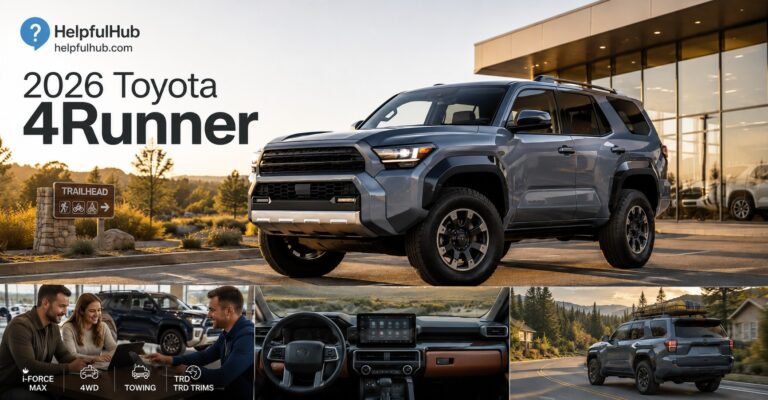
Finally, do not ignore rugged alternatives if your needs are very different from a family crossover. Buyers who prioritize off-road character may compare the Toyota 4Runner SUV guide, while truck-focused hybrid shoppers may compare the Toyota hybrid truck guide. Those are not direct Highlander substitutes, but they help clarify what you really need.
Practical Expert Insight
The smartest way to evaluate the 2026 Toyota Highlander electrification outlook is to make two lists before visiting a Toyota dealership. The first list should include confirmed needs: number of passengers, car seats, cargo space, AWD needs, commute distance, road-trip frequency, budget, insurance range, and whether you can charge at home. The second list should include future preferences: plug-in charging, full EV driving, lower gasoline use, and long-term electrification goals.
Once those lists are separate, the decision becomes clearer. If you need a three-row Toyota family SUV now and do not have home charging, a Highlander Hybrid or Grand Highlander Hybrid may be more practical than waiting for an unconfirmed Highlander PHEV or EV. If you have home charging and can use a smaller SUV, compare the RAV4 Plug-in Hybrid. If you want full EV driving more than three-row seating, compare C-HR EV and bZ Woodland.
At the dealership, avoid starting with the monthly payment. Start with the out-the-door price, trim, drivetrain, insurance quote, estimated fuel or charging cost, and trade-in value. Then calculate the payment. That process helps you avoid overpaying for a vehicle that sounds electrified but does not fit your actual family use.
FAQ
What is the 2026 Toyota Highlander electrification outlook?
The 2026 Toyota Highlander electrification outlook is the buyer-focused view of how Highlander fits into Toyota’s hybrid, plug-in hybrid, and EV direction. For current shoppers, the main focus is confirmed Highlander gas and Highlander Hybrid availability, plus Grand Highlander Hybrid context. It does not mean a Highlander Plug-in Hybrid or Highlander EV is confirmed. Families should compare confirmed vehicles first, then decide whether future plug-in or EV possibilities are worth waiting for.
Does the 2026 Toyota Highlander have a hybrid?
Yes, Toyota information for the 2026 Highlander family includes Highlander Hybrid context. The hybrid is important for families who want better fuel efficiency without needing to plug in. However, trim availability, AWD details, pricing, fuel economy estimates, incentives, and local dealer inventory can vary. Before buying, confirm current details through Toyota’s official shopping tools or a local Toyota dealer. Also compare Highlander Hybrid with Grand Highlander Hybrid if third-row comfort and cargo room are major priorities.
Is a 2026 Toyota Highlander Plug-in Hybrid confirmed?
A 2026 Toyota Highlander Plug-in Hybrid should not be treated as confirmed unless Toyota announces it officially. It is fair to discuss a Highlander PHEV as a future possibility because many buyers want plug-in capability in family SUVs. However, a buying plan should be based on confirmed vehicles. If you want plug-in Toyota capability today, compare the RAV4 Plug-in Hybrid and decide whether its size and layout work for your family.
Is a Toyota Highlander EV confirmed?
A Toyota Highlander EV is not confirmed for 2026 unless Toyota provides official confirmation. A full EV Highlander would need to meet family expectations for space, range confidence, charging convenience, road-trip usability, and cost. For now, buyers who want a full Toyota EV should compare Toyota EV alternatives such as the C-HR EV and bZ Woodland. Highlander buyers should not delay a needed family SUV purchase based only on EV rumors.
Should buyers choose Highlander Hybrid or Grand Highlander Hybrid?
Choose based on space, budget, and how often you use all three rows. Highlander Hybrid may fit families that want a midsize three-row SUV with hybrid efficiency and manageable daily driving size. Grand Highlander Hybrid may be better if adults or older kids regularly use the third row, or if road-trip cargo space matters. Test both with your family, car seats, luggage needs, and parking situation before deciding.
Should buyers choose Highlander Hybrid or RAV4 Plug-in Hybrid?
Choose Highlander Hybrid if you need three-row family flexibility and do not want to rely on charging. Choose RAV4 Plug-in Hybrid if you can charge regularly, do not need Highlander-size space, and want plug-in capability now. The RAV4 Plug-in Hybrid can make sense for short commutes and home charging, but it is not a direct replacement for every Highlander buyer. Interior space and family use should decide the comparison.
Should buyers choose Highlander or bZ Woodland?
Choose Highlander if three-row seating, family road trips, and gas or hybrid convenience are the main priorities. Consider bZ Woodland if you want a full Toyota EV direction and your lifestyle supports charging. The bZ Woodland may appeal to EV shoppers with an adventure-focused mindset, but it should be compared carefully against Highlander for passenger space, cargo needs, road-trip habits, charging access, insurance, and total cost.
Is hybrid better than EV for family SUV buyers?
Hybrid can be better for families that do not have home charging, drive long highway routes, or want a simple ownership transition from gas. EV can be better for families with reliable charging, predictable daily mileage, and a strong desire to avoid gasoline. Neither is automatically better. The right choice depends on commute distance, charging access, local fuel and electricity costs, weather, insurance, road trips, and how much space the family needs.
Should buyers buy a 2026 Highlander now or wait?
Buy now if you need a family SUV soon and a confirmed Highlander gas, Highlander Hybrid, or Grand Highlander Hybrid fits your budget and space needs. Waiting may make sense if your current vehicle is fine and you strongly want a future plug-in or EV option. However, do not wait only because of rumors. A Highlander Plug-in Hybrid or Highlander EV should be treated as unconfirmed unless Toyota officially announces it.
Should buyers compare a new Highlander with a used Highlander Hybrid?
Yes. A used Highlander Hybrid or certified pre-owned Highlander Hybrid may be worth comparing if you want hybrid efficiency at a lower purchase price. However, inspect service history, mileage, condition, warranty coverage, tires, brakes, accident history, and ownership costs. A new 2026 Highlander may offer current features and fresh warranty coverage, while a used hybrid may reduce upfront cost. Compare out-the-door price, financing, insurance, and long-term value.
Final 2026 Toyota Highlander Electrification Checklist
Use this checklist before choosing a gas Highlander, Highlander Hybrid, Grand Highlander Hybrid, Toyota plug-in hybrid, or Toyota EV alternative.
- Verify current trim pricing and availability with Toyota or local dealers.
- Separate confirmed Toyota details from future speculation.
- Compare Highlander gas and Highlander Hybrid options.
- Compare Highlander Hybrid with Grand Highlander Hybrid if third-row space matters.
- Compare RAV4 Plug-in Hybrid if you want plug-in charging today.
- Compare C-HR EV or bZ Woodland if you want a full Toyota EV.
- Check whether home charging is possible before waiting for a plug-in or EV option.
- Estimate insurance before buying.
- Compare financing and lease offers.
- Calculate monthly payment with taxes, fees, down payment, and loan term included.
- Compare a new 2026 Highlander with certified pre-owned or used Highlander Hybrid options.
- Review hybrid maintenance expectations and service history if buying used.
- Avoid waiting for a Highlander PHEV or EV unless Toyota confirms it.
- Use the HelpfulHub car payment calculator when comparing affordability.
Final Buyer Decision Table
| Your Priority | Best Toyota Direction to Compare | Key Question Before Buying |
|---|---|---|
| Simple three-row family SUV | Highlander Gas | Does the out-the-door price fit your budget? |
| Three-row efficiency without charging | Highlander Hybrid | Is hybrid availability strong in your area? |
| More family space | Grand Highlander Hybrid | Do you need the larger cabin and cargo area? |
| Plug-in driving today | RAV4 Plug-in Hybrid | Can your family use a smaller SUV? |
| Full Toyota EV | C-HR EV or bZ Woodland | Do you have reliable charging access? |
| Lowest practical ownership cost | New vs used Highlander comparison | Have you compared payment, insurance, fuel, and depreciation? |
Conclusion
The 2026 Toyota Highlander electrification outlook is encouraging for families who want practical electrified choices, but it should be read carefully. Highlander Hybrid and Grand Highlander Hybrid comparisons matter today. A future Highlander Plug-in Hybrid or Highlander EV may be interesting to watch, but buyers should not treat either as confirmed unless Toyota officially announces it.
For most US family SUV shoppers, the best next step is to compare confirmed Highlander options, hybrid alternatives, Toyota EV choices, charging access, insurance, ownership cost, and long-term family usability. Test the space, calculate the payment, check insurance, and compare new and used options before deciding. That approach will help you choose the Toyota SUV that fits your real life, not just the newest electrification headline.