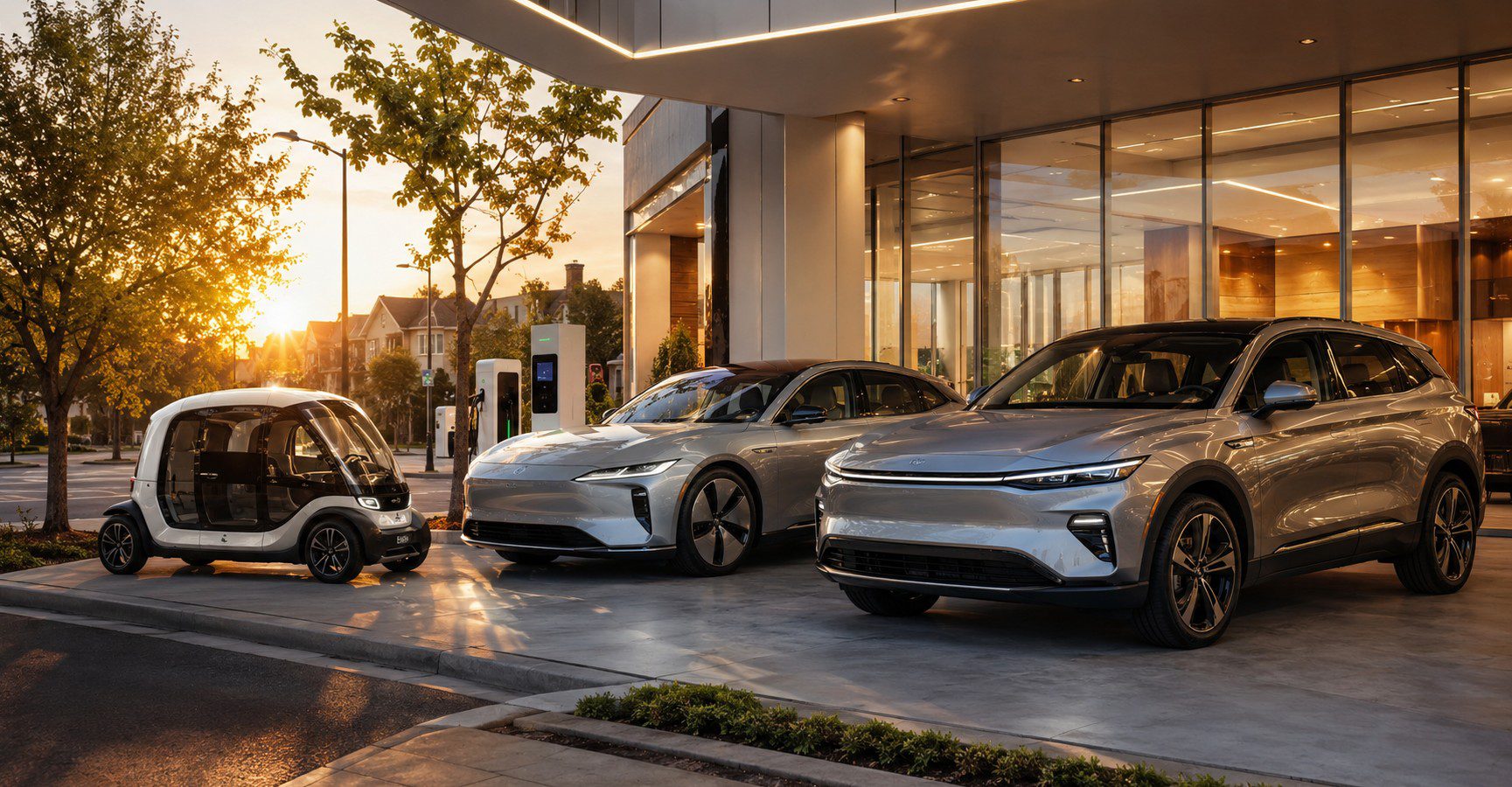
Electric Mobility: Complete Guide to the Future of Smart Transportation in the US
Electric Mobility in the US: Complete Guide to EVs, Hybrids, Scooters, Charging, and Future Transportation
Electric mobility is changing how US drivers think about daily transportation, family vehicles, commuting, short-distance travel, charging, insurance, and long-term ownership cost. It is not only about buying an electric car. It also includes hybrid vehicles, plug-in hybrids, electric SUVs, electric trucks, electric mobility scooters, small electric cars, charging access, battery range, and future vehicle technology.
For many buyers, the right choice depends on where they live, how far they drive, whether they can charge at home, how much passenger space they need, and how insurance costs compare. This guide explains the full electric transportation ecosystem in a practical way. Readers focused specifically on scooter-style mobility can also read the electric mobility scooters guide for a deeper look at short-distance personal transportation.
Electric Mobility: What It Really Means for US Transportation
Electric mobility means using electric power, partial electric power, or electric support systems to move people more efficiently. In the US, that can include a fully electric car used for commuting, a hybrid SUV for family driving, a plug-in hybrid for mixed city and highway use, an electric truck for work and home tasks, or a scooter used for short local trips.
The idea is bigger than one vehicle type. It connects the vehicle, the battery, the charging system, the home or apartment setup, local roads, insurance, repair costs, technology, and the driver’s daily habits. A person with a garage and a short commute may view EV ownership very differently from someone who lives in an apartment and drives long highway routes every week.
That is why this electric mobility guide looks at the full picture. The right choice is not always the newest EV or the largest electric SUV. Sometimes it is a hybrid, a plug-in hybrid, a compact city EV, a scooter, or a decision to wait until charging access improves.
Quick Comparison: EVs, Hybrids, Plug-In Hybrids, Scooters, and Small Electric Vehicles
Before comparing models, it helps to understand the major categories. Each option solves a different transportation problem. Some reduce gasoline use. Some remove gasoline from daily driving. Others help with short trips, parking, campus movement, senior mobility, or city errands.
Electric Mobility Options Comparison
| Option | Best For | Charging Need | Main Consideration |
|---|---|---|---|
| Fully electric vehicle | Drivers with reliable charging and predictable routes | Home or public charging | Range, charging access, insurance, and battery warranty |
| Hybrid vehicle | Drivers who want better fuel efficiency without plugging in | No plug required | Fuel savings vary by model and driving habits |
| Plug-in hybrid | Drivers who want some electric driving plus gasoline backup | Helpful but not always required | Works best when charged regularly |
| Electric SUV or truck | Families, cargo needs, outdoor use, and larger vehicle shoppers | Often benefits from home charging | Range, towing, payload, price, and charging speed vary by vehicle |
| Electric mobility scooter | Short-distance mobility, local errands, and mobility support | Home outlet or dedicated charger depending on model | Comfort, portability, weight, safety, and local use case |
| Small electric car or tiny EV | City driving, parking, short commutes, and future urban mobility | Depends on model and usage | Limited space, range, highway comfort, and availability |
This comparison also shows why electric transportation should not be judged by one factor. Charging speed matters, but so does comfort. Range matters, but so does where you charge. A low monthly payment can look attractive, but insurance, tires, repairs, and depreciation still need attention.
Why Electric Mobility Matters in the US
US transportation is built around a wide mix of highways, suburbs, cities, rural roads, school runs, work commutes, delivery routes, and long road trips. As a result, one electric solution cannot fit every driver. A city commuter in an apartment building faces different questions than a suburban family with a driveway and two vehicles.
Electric mobility matters because it gives buyers more choices. Drivers can compare gasoline, hybrid, plug-in hybrid, and EV options based on real use instead of only brand image or fuel savings claims. It also pushes the auto industry toward better batteries, smarter charging, more efficient motors, improved driver assistance, and connected vehicle technology.
However, buyers should stay practical. Public charging networks, utility rates, state fees, dealer inventory, financing offers, and incentives can vary by location. Federal, state, utility, and local EV incentives may also change, so shoppers should verify current rules before making a purchase.
Electric Cars and EVs
Electric cars use battery power and electric motors instead of a gasoline engine. For many US drivers, the biggest benefit is the ability to charge at home and start many days with a usable battery level. EVs can also offer quiet driving, strong acceleration, and fewer routine engine-related maintenance items.
Still, an EV is not automatically the right choice for every buyer. Charging access, winter range changes, road trip planning, insurance cost, tire wear, and local electricity rates can affect the ownership experience. Buyers should compare the vehicle’s real-world use case instead of focusing only on advertised range or showroom technology.
People shopping modern EVs can use a broader electric cars in 2026 resource to compare upcoming models, vehicle types, and buyer considerations. For budget-focused shoppers, it also helps to compare budget-friendly EV options before assuming every electric vehicle is expensive.
Hybrid Vehicles and Plug-In Hybrids
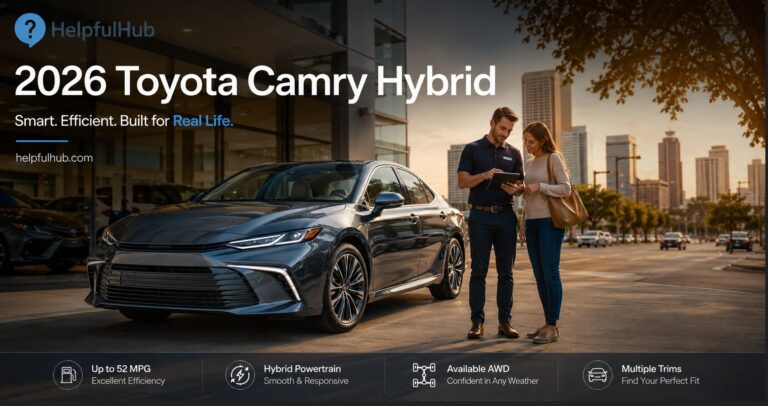
Hybrid vehicles combine a gasoline engine with electric assistance. Most traditional hybrids do not need to be plugged in. They can be a strong option for drivers who want better fuel efficiency, simple refueling, and less dependence on charging stations.
Plug-in hybrid vehicles add a larger battery that can be charged from an outlet or charging station. When charged regularly, a plug-in hybrid may handle some short trips on electric power while keeping a gasoline engine for longer drives. However, the value of a plug-in hybrid depends heavily on whether the owner actually charges it.
A hybrid car buying guide mindset is useful here. Compare fuel economy, battery warranty, cargo space, maintenance, driving style, and long-term ownership cost. A hybrid may fit drivers who travel long distances, live without dependable charging, or want an easier transition before moving to a full EV.
EV vs Hybrid vs Plug-In Hybrid vs Scooter
| Category | Strength | Possible Limitation | Good Buyer Fit |
|---|---|---|---|
| EV | No gasoline use during driving | Needs practical charging access | Homeowners, predictable commuters, tech-focused drivers |
| Hybrid | Fuel efficiency without charging dependence | Still uses gasoline | Long-distance drivers, apartment residents, simple ownership seekers |
| Plug-in hybrid | Electric driving for short trips plus gas backup | Best value requires regular charging | Mixed-use drivers with some charging access |
| Mobility scooter | Convenient short-distance support | Not a replacement for full vehicle needs | Seniors, short errand users, campus or community mobility needs |
| Small electric vehicle | Easy parking and city-friendly size | May have limited space or highway comfort | Urban drivers, short commuters, second-car households |
Electric SUVs and Trucks
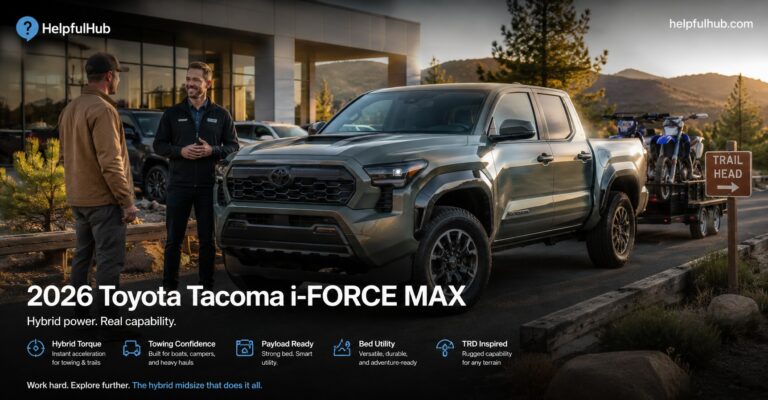
Electric SUVs and electric trucks are important because many US buyers prefer larger vehicles. Families often need cargo space, child-seat room, highway comfort, and all-weather confidence. Truck buyers may also care about bed space, towing, work use, outdoor activities, and utility.
These larger electric vehicles can be useful, but shoppers should study the details carefully. Range can vary with speed, weather, cargo, wheels, terrain, and towing. Charging speed and charging stops matter more when the vehicle is large or used for long trips.
For families, an electric SUV may be attractive when home charging is reliable and daily routes are predictable. For truck buyers, it is important to compare towing needs, charging availability on travel routes, payload requirements, and total ownership cost. Do not assume every electric truck will fit every work or travel use case.
Electric Mobility Scooters and Short-Distance Transportation
Electric mobility scooters are part of the larger electric transportation category, but they serve a different purpose from cars and SUVs. They can help with short-distance movement, mobility support, community travel, campus use, errands, or situations where a full vehicle is unnecessary. For some people, a scooter can improve independence and reduce the need for short car trips.
The right scooter depends on comfort, seat support, portability, battery size, turning radius, terrain, storage, weight capacity, and local rules. A lightweight folding scooter may be useful for travel, while a heavier scooter may feel more stable for daily use. Buyers should also think about where the scooter will be stored and charged.
Because scooters have their own safety and comfort details, this pillar guide only summarizes them. For a deeper scooter-focused breakdown, read the scooter-focused electric mobility guide. That focused guide is a better place to compare portability, comfort, daily use, and mobility support features.
Small Electric Cars and Tiny EVs
Small electric cars can make sense for city driving, tight parking, short commutes, and households that do not need a large vehicle every day. A compact EV may be easier to park, easier to charge, and more practical for dense urban areas than a large SUV.
However, small vehicles are not automatically better for every driver. Highway comfort, cargo space, seating room, winter range, safety features, and charging access still matter. A city-friendly car may feel perfect for errands but limited for road trips or family travel.
Readers comparing compact choices can review small electric cars for city-focused options. Future-looking buyers can also explore tiny EVs and compact future mobility vehicles as urban transportation continues to evolve.
Home Charging vs Public Charging
Charging is one of the biggest differences between EV ownership and gasoline vehicle ownership. Home charging can make an EV feel simple because the vehicle can charge overnight or while parked. For many owners, that convenience is the main reason an electric car works well.
Public charging is also important, especially for road trips, apartment residents, workplace charging, and drivers who cannot install a home charger. However, public charging can vary by location, network, speed, charger availability, and pricing. A driver should check charging options near home, work, school, and frequent travel routes before buying.
Charging and Ownership Cost Checklist
| Question | Why It Matters | Safe Buyer Action |
|---|---|---|
| Can you charge at home? | Home charging often makes EV ownership easier. | Check outlet access, charger installation rules, and utility rates. |
| Do you rely on public charging? | Public charging can vary by station, network, and location. | Map chargers near work, home, and travel routes. |
| How much do you drive daily? | Daily distance affects range needs and charging frequency. | Compare real commute patterns, not only advertised range. |
| Will electricity cost less than fuel? | Savings depend on local rates and driving habits. | Use safe estimates based on your utility plan and fuel prices. |
| Will insurance change? | Premiums vary by vehicle, repair cost, and insurer. | Get quotes before signing a purchase or lease. |
Charging Speed, Slow Charging, and Charging Problems
Charging speed depends on the vehicle, battery temperature, charger type, state of charge, cable, station condition, and software. A home Level 2 setup may be enough for overnight charging, while DC fast charging may be more useful during road trips. However, fast charging does not always deliver the same speed from start to finish.
Slow charging can happen because of cold weather, a shared station, a limited charger, a high battery state of charge, a vehicle setting, or a charger fault. Drivers should learn the basics before assuming the vehicle has a major problem. If charging feels unusually slow, compare the charger type, battery level, temperature, and vehicle settings.
For a focused troubleshooting breakdown, read the slow EV charging guide. That guide can help when a vehicle charges slower than expected at home or at a public station.
EV Range, Battery Performance, and Driving Habits
EV range is the distance an electric car can travel on a charge, but real-world range can change. Speed, temperature, hills, tires, cargo, driving style, climate control, and battery condition all affect efficiency. This is why two drivers with the same EV can see different results.
Cold weather can reduce efficiency because the vehicle may use energy to warm the cabin and manage battery temperature. Highway driving can also use more energy than slower city driving. As a result, buyers should compare their real routes, weather, parking situation, and charging access before choosing a vehicle.
If range suddenly drops or feels different from normal, the cause may be driving conditions, tire pressure, software estimates, weather, or charging habits. For more detail, use the EV range problem guide before assuming the battery has failed.
Electric Car Insurance and Ownership Cost
Electric car insurance can vary by model, location, driver profile, repair cost, safety technology, battery-related repair concerns, and insurance provider. Some EVs may cost more to insure than similar gasoline vehicles, while others may be competitive. The only reliable way to know is to compare real quotes before buying.
Ownership cost also includes charging, tires, maintenance, registration fees, financing, depreciation, repairs, and possible home charger installation. Fuel savings can help some drivers, but the result depends on electricity rates, gasoline prices, driving distance, and charging habits. Buyers should avoid judging the vehicle by payment alone.
Before choosing an EV, compare coverage options with an electric vehicle insurance resource. It can help shoppers understand why repair cost, battery systems, and advanced technology may affect premiums.
Maintenance, Repairs, and Battery Considerations
EVs do not need oil changes like gasoline vehicles, and they have fewer engine-related service items. However, they still need tires, brakes, cabin filters, coolant service where applicable, software updates, inspections, suspension work, and normal wear repairs. Electric vehicles can also be heavy, so tire selection and rotation may matter.
Hybrids and plug-in hybrids have both electric components and gasoline engine systems. That means they can offer efficiency, but they still require engine-related maintenance. Buyers should compare warranty coverage, service access, dealer support, and independent repair options.
Battery health depends on design, climate, charging habits, usage, and manufacturer management systems. Most buyers do not need to become battery engineers. They should simply understand charging basics, avoid extreme habits when possible, and read the warranty details carefully.
Daily Commuters: Which Electric Mobility Option Fits Best?
Daily commuters should start with distance, parking, charging, and time. A driver with a consistent commute and home charging may find a full EV very convenient. The vehicle can charge while parked and may avoid frequent gas station stops.
However, a commuter without charging access may be better served by a hybrid or plug-in hybrid. A hybrid can reduce fuel use without requiring a charger. A plug-in hybrid can be useful when the driver can charge at home, at work, or both.
Best Electric Mobility Option by Buyer Type
| Buyer Type | Likely Good Fit | What to Check First |
|---|---|---|
| Short daily commuter with home charging | EV or plug-in hybrid | Charging setup, commute distance, insurance quote |
| Long highway commuter | Hybrid, efficient EV, or plug-in hybrid | Range, weather, charging access, fuel cost |
| Apartment resident | Hybrid or EV with dependable public charging | Building rules, nearby stations, charging cost |
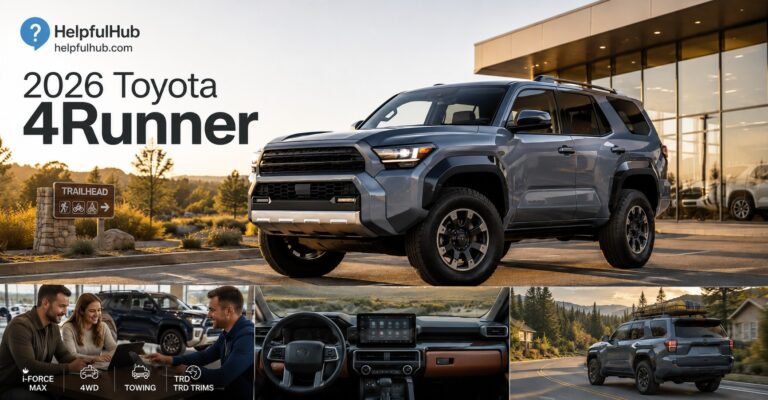
| Family driver | Hybrid SUV, plug-in hybrid SUV, or electric SUV | Seats, cargo, safety tech, insurance, charging |
| Short-distance mobility user | Electric mobility scooter or small electric vehicle | Comfort, storage, safety, local use, portability |
Families: EV, Hybrid, or Electric SUV?
Families need more than efficiency. They need space, comfort, child-seat access, cargo room, safety features, climate control, and reliable travel for school, work, errands, and vacations. A vehicle that looks efficient on paper may not be practical if it is too small or difficult to charge.
An electric SUV can work well for families with home charging and predictable daily routes. A hybrid SUV may be easier for families that take frequent long trips or do not want to plan charging stops. A plug-in hybrid SUV can offer a middle path, especially when short local trips are common and charging is available.
Families should test drive with real needs in mind. Bring car seats if needed, check cargo space, review warranty coverage, compare insurance quotes, and think about road trips. The best family electric vehicle is the one that fits daily life, not just the one with the most technology.
City and Suburban Drivers: Practical Electric Mobility Choices
City drivers often care about parking, charging access, short trips, traffic, and low-speed efficiency. A small EV, plug-in hybrid, hybrid hatchback, scooter, or compact vehicle may be more practical than a large electric truck. In dense areas, charging access and parking rules can matter as much as range.
Suburban drivers may have more driveway or garage access, which can make home charging easier. They may also drive longer distances for school, work, shopping, sports, and family activities. In that case, an EV, hybrid SUV, or plug-in hybrid may fit better than a tiny city-focused vehicle.
The important step is to match the vehicle to the environment. A suburban driver with home charging may enjoy an EV. A city apartment resident may need a hybrid or a charging plan before buying. A short-distance user may only need a scooter or compact mobility option for specific trips.
Road Trips and Long-Distance Driving
Road trips are one of the biggest questions for EV shoppers in the US. American highways make long-distance travel common, especially for families, rural drivers, and people who visit relatives across states. EV road trips can work, but they require more planning than a gasoline vehicle in many situations.
Drivers should check charging stations along the route, expected charging time, weather, passenger needs, and backup options. Larger wheels, high speeds, heavy cargo, cold weather, and towing can reduce efficiency. This does not make EV road trips impossible, but it makes route planning important.
Hybrids and plug-in hybrids can feel easier for some long-distance drivers because they use gasoline when needed. That may be helpful for people who travel through areas with limited charging. The best choice depends on how often road trips happen and how comfortable the driver is with charging plans.
Apartment Living vs Home Charging Access
Home charging is often the simplest EV ownership setup. A driveway or garage can make charging feel like plugging in a phone overnight. However, many US drivers live in apartments, condos, townhomes, or rental properties where charging may be limited.
Apartment residents should check building rules, parking access, nearby public chargers, workplace charging, and monthly charging cost. They should also think about how busy local stations are during evenings and weekends. Public charging can work, but it should be dependable enough for the driver’s real schedule.
If charging is uncertain, a hybrid may be a smarter first step. A plug-in hybrid can also work if occasional charging is available, but it may not deliver its full benefit without regular charging. Buyers should solve the charging question before falling in love with a specific EV.
Lease vs Finance for EVs and Hybrids
Leasing and financing can lead to very different ownership experiences. A lease may appeal to drivers who want a newer vehicle, lower commitment, and less concern about long-term resale value. Financing may appeal to buyers who want to keep the vehicle for many years and build ownership equity.
EV shoppers should compare mileage limits, lease-end rules, charging equipment, warranty coverage, incentives, monthly payment, insurance, and total cost. Technology changes quickly, so some buyers prefer leasing an EV while the market evolves. Others prefer financing because they drive a lot or want long-term control.
Hybrid buyers should make the same comparison. A hybrid can be a long-term practical vehicle, but loan interest rates, trade-in value, and warranty details still matter. For broader shopping help, use a modern car buying guide before deciding between lease and finance.
Dealership Shopping and Incentive Caution
Dealership shopping for EVs, hybrids, and plug-in hybrids requires careful comparison. Inventory can vary by state and region. Some dealers may have more experience explaining EV charging, battery warranty, home charging, and available incentives than others.
Incentives can also be confusing. Federal, state, local, utility, manufacturer, and dealer offers may change. Eligibility can depend on the vehicle, buyer, location, timing, lease or purchase structure, and current rules. Buyers should verify details with official sources, tax professionals, dealers, and local utility programs before relying on any incentive.
It is also smart to compare trade-in value, loan interest rates, dealer fees, lease terms, charger installation cost, and insurance before signing. A lower advertised payment does not always mean lower total ownership cost. Use a full car buying checklist when comparing offers.
Safety, Driver Assistance, and Future Vehicle Technology
Electric vehicles are often connected with advanced vehicle technology. Many include modern infotainment systems, driver assistance features, software updates, regenerative braking, connected apps, and energy monitoring tools. However, technology should support safe driving rather than distract from it.
Safety features can vary by model, trim, and package. Buyers should review crash test information where available, understand driver assistance limitations, and test controls during a real drive. A feature that looks impressive in a showroom may not be useful if it is confusing on the road.
The future of electric transportation will likely include smarter charging, better batteries, improved software, more connected vehicles, and more efficient vehicle design. Readers interested in the bigger technology shift can explore future automotive technology for more context on smart vehicles and future transportation technology.
Common Electric Mobility Mistakes to Avoid
The biggest mistake is choosing a vehicle before understanding daily use. A buyer may love an EV in a showroom but struggle if there is no reliable charging plan. Another buyer may ignore hybrids even though a hybrid would fit long-distance driving better.
Some shoppers also focus only on fuel savings. That can hide insurance, tires, financing, repairs, registration, charger installation, and depreciation. A practical buyer should compare total ownership cost, not only energy cost. For broader comparison habits, review these practical car buying tips.
Common Electric Mobility Mistakes and Better Choices
| Mistake | Why It Can Hurt | Better Choice |
|---|---|---|
| Buying an EV without checking charging access | Daily ownership can become stressful. | Confirm home, work, and public charging first. |
| Ignoring insurance quotes | Premiums may change the real monthly cost. | Get quotes before buying or leasing. |
| Assuming advertised range equals every trip | Weather, speed, and cargo affect range. | Compare range to your real routes and climate. |
| Choosing a scooter as a full car replacement | Scooters solve short-distance needs, not every driving need. | Match scooters to local, safe, practical use cases. |
| Looking only at monthly payment | Other costs may be missed. | Compare total ownership cost and warranty coverage. |
| Forgetting resale and trade-in value | Long-term cost can change. | Review market demand, warranty, and vehicle condition. |
Practical Expert Insight
The smartest electric mobility choice is usually the one that fits your routine, not the one that looks most advanced. An EV can be a great fit when charging access is reliable, daily driving is predictable, and the buyer understands insurance, range, tires, and home charging. For many households, that creates a smooth ownership experience.
On the other hand, a hybrid may be easier for drivers who travel long distances, cannot charge at home, live in an apartment, or do not want to plan charging stops. A plug-in hybrid can work well as a bridge, but only when the owner actually charges it often enough to use the electric side of the vehicle.
Electric mobility scooters and small electric vehicles can solve short-distance mobility problems, parking challenges, and local travel needs. However, they are not replacements for every driver or family vehicle. If short-distance mobility is the main goal, compare the mobility scooters for daily use guide. If you need help with the full buying process, review the HelpfulHub car buying guide before making a final decision.
FAQ
What is electric mobility?
Electric mobility means using electric power or electric assistance for transportation. It includes fully electric vehicles, hybrid vehicles, plug-in hybrids, electric SUVs, electric trucks, electric mobility scooters, compact electric vehicles, charging systems, and future transportation technology. For US drivers, it is not only about replacing gasoline. It is about choosing a transportation setup that fits daily driving, charging access, budget, family needs, insurance, and long-term ownership cost.
Is electric mobility only about electric cars?
No. Electric cars are a major part of electric mobility, but they are not the whole category. The broader idea includes hybrids, plug-in hybrids, electric SUVs, electric trucks, scooters, small electric cars, charging stations, battery systems, smart vehicle technology, and short-distance transportation options. A driver may choose a full EV, while another person may choose a hybrid or scooter because it fits their lifestyle better.
Are hybrids part of electric mobility?
Yes, hybrids are part of the electric transportation shift because they use electric motor assistance to improve efficiency. A traditional hybrid does not need to be plugged in, which makes it easier for buyers without charging access. A plug-in hybrid adds a larger battery and can be charged for short electric trips. Both options can help buyers reduce fuel use while keeping gasoline backup for longer drives.
Who should consider an EV?
An EV may be a strong choice for drivers who have reliable charging access, predictable daily routes, and a clear understanding of range needs. Homeowners with a garage or driveway often have the easiest setup, but some apartment residents can also succeed if public or workplace charging is dependable. Before buying, compare insurance, charging cost, battery warranty, road trip needs, and real-world driving conditions.
Who should consider a hybrid?
A hybrid can fit drivers who want better fuel efficiency without depending on charging stations. It may be useful for apartment residents, long-distance commuters, road trip families, or buyers who want a simpler transition from gasoline vehicles. Hybrids still need regular engine maintenance, and fuel savings vary by vehicle and driving habits. However, they can be practical for people who are not ready for a full EV.
Are electric mobility scooters part of electric mobility?
Yes. Electric mobility scooters are part of electric mobility because they use battery power for short-distance transportation and mobility support. They are different from electric cars because they are usually designed for local movement, portability, comfort, or personal accessibility. They can be useful for seniors, short errands, community travel, or campus-style movement. However, they are not full replacements for every car or family vehicle.
How important is home charging?
Home charging can make EV ownership much easier because the vehicle can charge while parked overnight. It may also reduce dependence on public stations. However, not every driver has a garage, driveway, or permission to install charging equipment. Apartment residents should check building rules, nearby stations, workplace charging, and public charging reliability before buying. If home charging is not available, a hybrid may be more practical.
Is EV insurance more expensive?
EV insurance cost depends on the vehicle, driver, location, repair cost, safety technology, parts availability, and insurance provider. Some EVs may cost more to insure than similar gasoline vehicles, while others may be competitive. The safest step is to get real quotes before buying or leasing. Do not rely only on general assumptions, because premiums can vary widely by model and personal driving profile.
What should buyers know about EV range?
EV range is affected by more than the number shown in advertising. Weather, highway speed, tire pressure, cargo, hills, driving style, climate control, and battery temperature can all change efficiency. Buyers should compare range to real daily routes and road trip needs. It is also smart to understand charging options before buying, especially if the vehicle will be used in cold weather or long-distance driving.
Is electric mobility worth it for families?
Electric mobility can be worth it for families when the vehicle fits space, safety, charging, insurance, and road trip needs. An electric SUV may work well for a family with home charging and predictable routes. A hybrid SUV may be easier for families that travel long distances or cannot charge regularly. The best choice depends on seating, cargo space, school routines, work commutes, weekend travel, and total ownership cost.
What is the future of electric mobility in the US?
The future of electric mobility in the US will likely include better batteries, more charging options, smarter vehicle software, more efficient hybrids, compact electric vehicles, electric SUVs, electric trucks, and improved driver assistance technology. However, adoption will still depend on affordability, charging access, insurance, repair networks, and buyer confidence. The most practical future will include multiple options rather than one single type of vehicle.
Electric Mobility Internal Link Guide for Readers
| Reader Need | Helpful Next Guide | When to Use It |
|---|---|---|
| Scooter-focused short-distance mobility | Electric mobility scooter guide | When comfort, portability, and daily scooter use are the main questions. |
| EV charging problems | EV charging troubleshooting | When charging speed feels slower than expected. |
| EV range loss | Electric vehicle range loss | When range drops suddenly or efficiency changes. |
| Insurance planning | Electric car insurance guide | Before buying or leasing an EV. |
| General vehicle shopping | Smart car buying guide | When comparing deals, trade-ins, financing, and practical vehicle choices. |
Final Electric Mobility Checklist
- Define your daily driving distance before comparing vehicles.
- Check home charging access, including garage, driveway, rental, or HOA rules.
- Research public charging near work, home, school, and travel routes.
- Compare EV, hybrid, plug-in hybrid, scooter, and small EV options.
- Estimate insurance before buying or leasing.
- Compare financing and lease offers carefully.
- Check warranty coverage, including battery and hybrid system coverage.
- Understand battery and charging basics before committing.
- Compare fuel cost vs charging cost using safe estimates based on your location.
- Consider family space, child-seat access, cargo room, and comfort.
- Consider road trip needs and charging stops.
- Think about city parking and apartment charging limits.
- Test drive before committing.
- Research state and federal incentives, but verify current rules before relying on them.
- Read the electric mobility scooters guide if short-distance mobility is the goal.
- Read the EV charging troubleshooting guide if charging speed is a concern.
- Read the electric car insurance guide before buying an EV.
- Read a complete car buying guide if you need more help comparing deals and ownership cost.
Final Decision Table: EV, Hybrid, Scooter, or Small Electric Vehicle?
| Choose This Option | When It Makes Sense | Watch Out For |
|---|---|---|
| EV | You have reliable charging and predictable driving needs. | Range, charging time, insurance, and road trip planning. |
| Hybrid | You want efficiency without charging dependence. | Still uses gasoline and needs engine maintenance. |
| Plug-in hybrid | You can charge often but still want gas backup. | Best value depends on regular charging. |
| Electric mobility scooter | You need short-distance support or local personal mobility. | Comfort, safety, storage, portability, and local rules. |
| Small electric vehicle | You drive mostly in the city and value easy parking. | Space, highway comfort, range, and availability. |
Conclusion
Electric mobility is not a single vehicle or one trend. It is a practical shift in how US drivers, families, commuters, and short-distance travelers compare transportation choices. EVs, hybrids, plug-in hybrids, electric SUVs, electric trucks, scooters, compact EVs, charging systems, insurance, and future vehicle technology all belong in the conversation.
The best choice depends on lifestyle, charging access, budget, insurance, family needs, range, ownership cost, and comfort. A full EV may be the right move for one driver, while a hybrid, plug-in hybrid, scooter, or small electric vehicle may be smarter for another. Before deciding, compare your real driving habits, test drive your top options, verify incentives, and review the 2026 car buying guide for a more complete buying process.