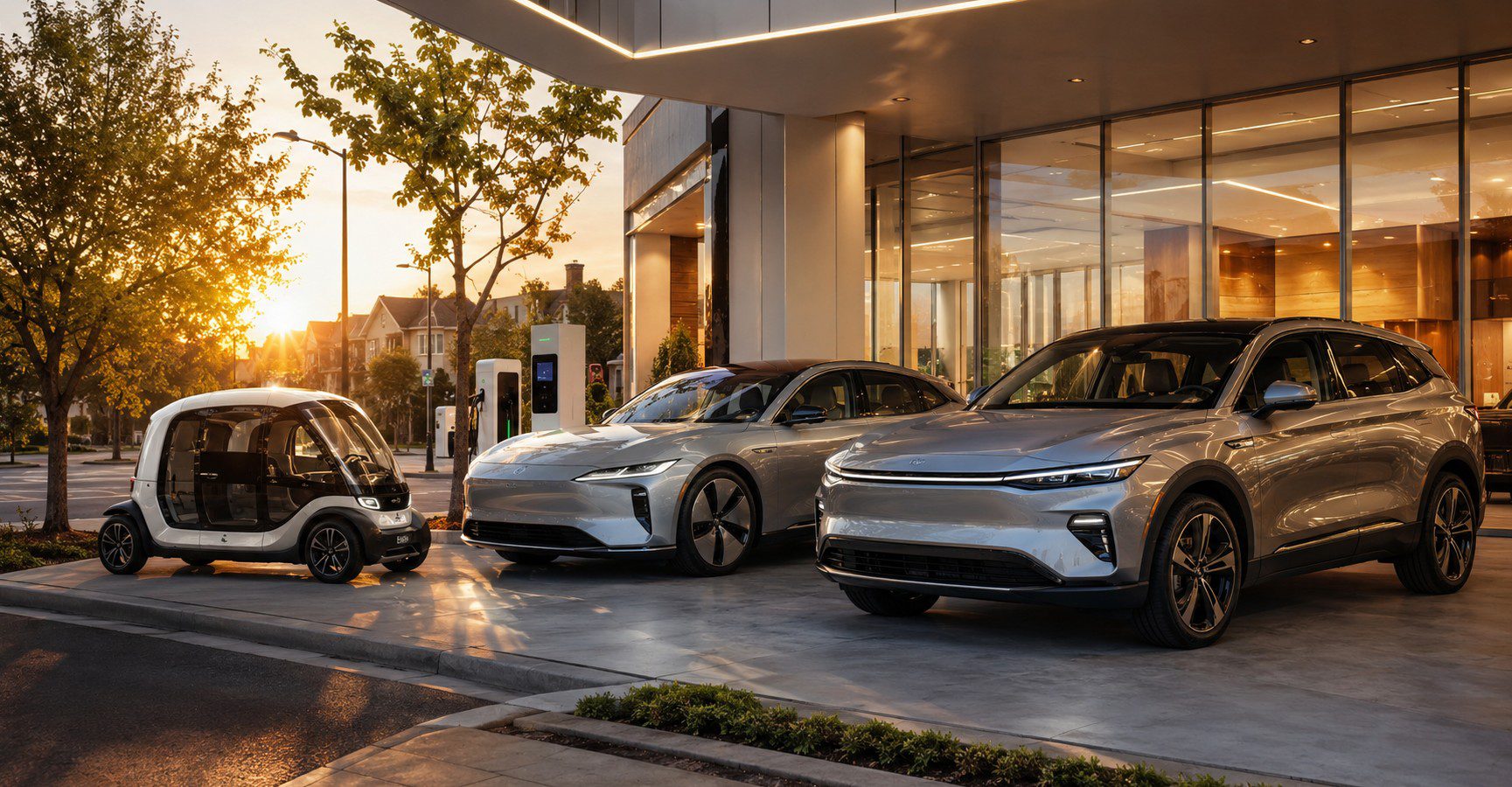
Electric Mobility: Complete Guide to the Future of Smart Transportation in the US
The shift is also practical. Drivers still need reliable transportation for commuting, school pickup, highway travel, errands, work, and family trips. The difference is that more choices now use electricity, software, connected services, and smarter energy systems. This guide explains what electric mobility means, why it matters in the US market, how it affects ownership cost, and what buyers should check before visiting a dealership or signing a lease.
Quick Answer: What Is Electric Mobility?
Electric mobility means using electricity to power transportation instead of relying only on gasoline or diesel. It includes battery electric vehicles, plug-in hybrids, hybrid vehicles, electric scooters, e-bikes, electric buses, commercial delivery vans, smart charging systems, and connected transportation services. For US drivers, electric mobility matters because it can reduce fuel spending, lower routine maintenance needs, improve city air quality, and create new ways to power daily travel.
What Electric Mobility Means Today
Electric mobility is the broad movement toward transportation powered partly or fully by electricity. It is bigger than one type of car. It includes electric cars, electric SUVs, electric pickup trucks, plug-in hybrids, regular hybrids, electric delivery vans, transit buses, micromobility options, smart charging networks, battery storage, and software that helps vehicles use energy more efficiently.
In a car buying context, the term helps shoppers think beyond the badge on the hood. A buyer is no longer comparing only horsepower, fuel economy, cargo space, and monthly payment. They are also comparing EV range, charging speed, home charging access, battery warranty, driver assistance features, infotainment systems, charging network compatibility, resale value, and long-term maintenance cost.
That is why electric mobility solutions are becoming part of both personal transportation and city planning. A family may use a hybrid SUV for long trips, an electric sedan for daily commuting, and an e-bike for short local errands. A business may use electric vans for deliveries while installing charging at a depot. A city may invest in electric buses, curbside chargers, and safer bike lanes. All of these examples sit inside the same electric mobility ecosystem.
Electric Mobility vs Traditional Transportation
| Factor | Electric Mobility | Traditional Gas Transportation |
|---|---|---|
| Energy source | Electricity from home, public chargers, workplaces, or fleet charging | Gasoline or diesel from fuel stations |
| Daily fueling habit | Often charged at home overnight when available | Usually refueled at gas stations as needed |
| Maintenance profile | Fewer engine-related service items on full EVs | Oil changes, belts, exhaust parts, and more engine components |
| Road trip planning | Requires charging stop planning and charger availability checks | Fuel stations are widely available and familiar |
| Best fit | Commuters, tech-focused buyers, home charger users, many families | Drivers needing maximum refueling convenience or limited charging access |
Why Electric Mobility Matters Now in the US
Electric mobility in the US matters because buyers now have more real choices than ever before. Electric vehicle options have expanded across sedans, crossovers, SUVs, pickup trucks, luxury vehicles, and commercial models. At the same time, hybrid vehicles remain popular because they offer better fuel economy without requiring a plug.
For many Americans, the decision is not simply electric versus gas. It is a practical question: which vehicle type fits my home, commute, budget, insurance situation, road trip habits, and local charging access? A driver in California, Texas, Florida, New York, Colorado, or Georgia may face different incentives, electricity rates, public charging networks, weather conditions, and dealership inventory.
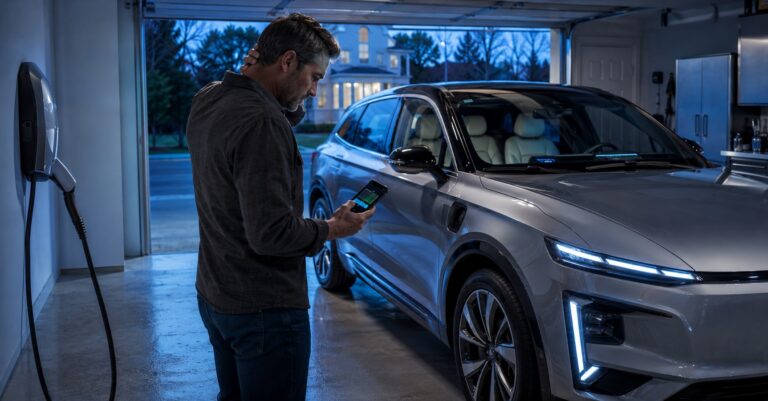
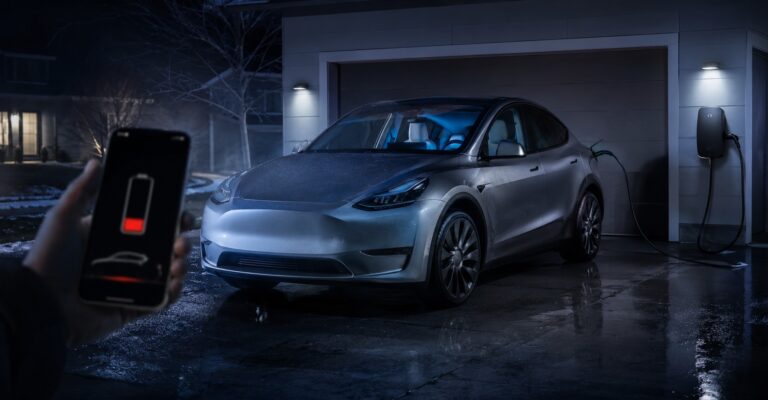
Another reason the topic matters now is that future transportation is becoming more connected. Vehicles are not only machines; they are rolling software platforms. Many electric mobility vehicles include over-the-air updates, route planning, energy monitoring, advanced infotainment, driver assistance systems, and mobile apps that can check charging status or precondition the cabin before a trip.
This creates opportunity, but it also makes research more important. Buyers should understand the difference between advertised range and real-world driving range. They should know how cold weather, speed, tires, payload, and driving style affect efficiency. They should also compare local electricity costs, charging access, insurance quotes, and resale value before choosing a new car or used car.
Electric Mobility Vehicles Explained
Electric mobility vehicles come in several forms. Some are fully electric and use no gasoline. Others combine electricity with a gasoline engine. Some are personal vehicles, while others serve public transportation, delivery, or short-distance urban travel.
The best choice depends on use case. A commuter with a short daily drive may find a battery electric sedan or crossover easy to own. A family that takes frequent road trips may prefer a plug-in hybrid SUV or a hybrid vehicle if charging access is limited. A contractor may compare an electric pickup truck with a gas truck based on towing, payload, charging, worksite power, and total cost.
Main Types of Electric Mobility Vehicles
| Vehicle Type | How It Works | Best For | Buyer Watchout |
|---|---|---|---|
| Battery Electric Vehicle | Runs only on electricity stored in a battery | Daily commuters, home charging users, low-maintenance buyers | Charging access and real-world range matter |
| Plug-In Hybrid | Uses a battery for short electric driving and a gas engine for longer trips | Drivers wanting electric commuting with gas backup | Benefit depends on regular charging |
| Hybrid Vehicle | Uses an engine and electric motor without external charging | Fuel economy shoppers and road trip drivers | Not a full electric driving experience |
| Electric Pickup Truck | Uses battery power for truck capability and utility | Tech-focused truck buyers and some work use cases | Towing can reduce range significantly |
| E-Bike or E-Scooter | Uses a smaller battery and motor for short trips | Urban mobility, campus travel, short errands | Safety gear, storage, and local rules matter |
| Electric Bus or Fleet Van | Uses depot or route-based charging for commercial service | Transit agencies, delivery fleets, local businesses | Charging planning and route predictability are critical |
How Electric Mobility Changes Car Buying
Electric mobility changes the car buying process because the vehicle is only one part of the decision. A traditional buyer might focus on fuel economy, horsepower, trim level, seating, towing, and financing. An electric vehicle buyer must add charging location, range needs, battery warranty, charging speed, electricity cost, software support, and local service options.
For example, a buyer comparing an electric SUV with a gas SUV should consider the daily commute first. If most driving happens within a predictable local radius, home charging can make the EV feel more convenient than a gas vehicle. Instead of stopping for fuel, the driver starts most mornings with a charged battery. However, if the buyer lives in an apartment with no charging and takes frequent highway trips, the experience may be less simple.
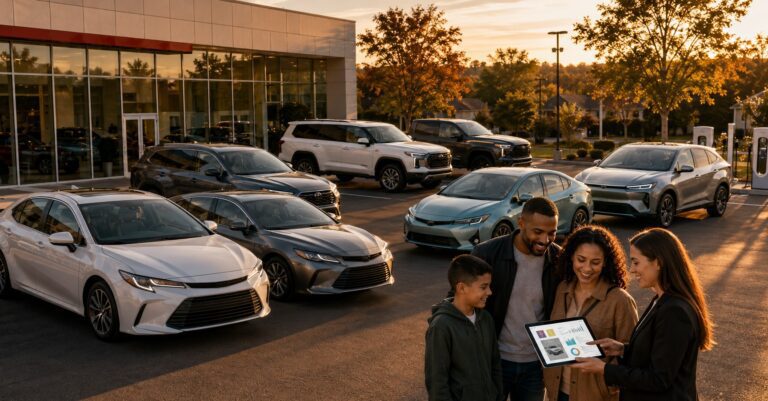
Dealership shopping also changes. Buyers should ask whether the dealer has trained EV technicians, whether the vehicle qualifies for any current incentives, whether the charger installation cost is included in any promotion, and whether the warranty covers battery and electric drive components. They should also ask about software features, connected app fees, and availability of replacement tires, since EV-specific tires can affect efficiency, noise, and ride comfort.
Car Buying Questions for Electric Mobility Shoppers
| Question | Why It Matters |
|---|---|
| Can I charge at home, work, or nearby? | Charging access often determines whether an EV is convenient or frustrating. |
| How much range do I need in real driving? | Highway speed, weather, hills, tires, and cargo can reduce range. |
| What is the battery warranty? | Battery coverage is important for long-term ownership confidence. |
| How much will insurance cost? | Premiums vary by vehicle value, repair cost, driver profile, location, and insurer. |
| Will I lease, finance, or buy used? | Each option changes monthly payment, risk, warranty coverage, and resale exposure. |
| Does the dealer service EVs locally? | Convenient service access can matter if repairs or software issues occur. |
Before shopping, compare your actual driving pattern. Count your weekly miles, longest monthly trip, parking situation, weather exposure, and access to a standard outlet, Level 2 charger, or nearby DC fast charging. That personal checklist is more useful than simply choosing the vehicle with the biggest advertised EV range.
Electric Mobility Benefits for Drivers
The electric mobility benefits most drivers notice first are convenience, smooth performance, and potential fuel savings. Full EVs usually feel quick because electric motors deliver instant torque. They are often quiet in city traffic and can be easy to drive in stop-and-go commuting. Many owners also like charging at home because it reduces gas station visits.
Maintenance can also be simpler on a battery electric vehicle. There is no engine oil to change, no traditional transmission service in many designs, and fewer exhaust system parts. However, EVs still need tires, brakes, cabin filters, coolant checks where applicable, software updates, wiper blades, suspension repairs, and normal inspections. Heavy battery weight and instant torque can also increase tire wear if the driver accelerates aggressively.
For the environment, electric vehicles have no tailpipe emissions while driving. The total benefit depends on how electricity is generated, how the vehicle is built, and how long it is used. Still, sustainable electric mobility can reduce local air pollution in cities and help connect transportation with renewable energy over time.
Practical Benefits by Driver Type
| Driver Type | Most Useful Benefit | Practical Example |
|---|---|---|
| Daily commuter | Lower routine fueling effort | Charge overnight and drive to work without stopping for gas. |
| Family vehicle shopper | Quiet cabin and strong low-speed response | Use an electric SUV for school runs, errands, and weekend activities. |
| City resident | Cleaner local driving and smaller mobility options | Combine public transit, e-bike trips, and car sharing. |
| Tech-focused buyer | Connected features and software updates | Use route planning, battery preconditioning, and app-based charging controls. |
| Business owner | Predictable local route energy planning | Use electric vans for local deliveries with depot charging. |
Electric Mobility Challenges and Drawbacks
Electric mobility challenges are real, and buyers should not ignore them. Charging access is the biggest issue for many drivers. Homeowners with garages or driveways usually have more flexibility than apartment residents, renters, or people who park on the street. Public charging is improving, but the experience still varies by location, network, charger speed, payment system, and reliability.
Cost can also be complicated. Some electric vehicles have higher purchase prices than comparable gas vehicles. Incentives may help, but availability depends on vehicle eligibility, buyer tax situation, state programs, timing, and local rules. Insurance may be higher for some EVs because repair costs, advanced sensors, battery components, and specialized labor can affect claims.
Range is another concern. Advertised range is useful for comparison, but it is not a guarantee in every condition. Cold weather, high-speed highway driving, towing, roof racks, heavy cargo, aggressive acceleration, underinflated tires, and battery preconditioning can all affect efficiency. For road trips, charging speed and charger location may matter more than the range number alone.
Common Electric Mobility Drawbacks and Solutions
| Challenge | Why It Happens | Smart Buyer Response |
|---|---|---|
| Limited home charging | Apartment, rental, street parking, or electrical limits | Check workplace charging, public stations, and landlord policies before buying. |
| Range anxiety | Uncertainty about real-world range and charger access | Plan based on worst-case trips, not only daily commuting. |
| Higher upfront cost | Battery cost, trim packaging, and technology content | Compare total ownership cost, incentives, lease offers, and used options. |
| Charging delays | Slow chargers, busy stations, cold batteries, or network issues | Use route planning apps and avoid relying on one charger location. |
| Insurance uncertainty | Repair complexity and vehicle value vary widely | Get quotes before purchase or lease signing. |
Electric Mobility Charging Infrastructure
Electric mobility charging infrastructure is one of the most important parts of the ownership experience. It includes home chargers, workplace chargers, public Level 2 chargers, DC fast chargers, dealership chargers, hotel chargers, fleet depots, and charging software. A strong charging network can make EV ownership easy. A weak network can make even a good vehicle feel inconvenient.
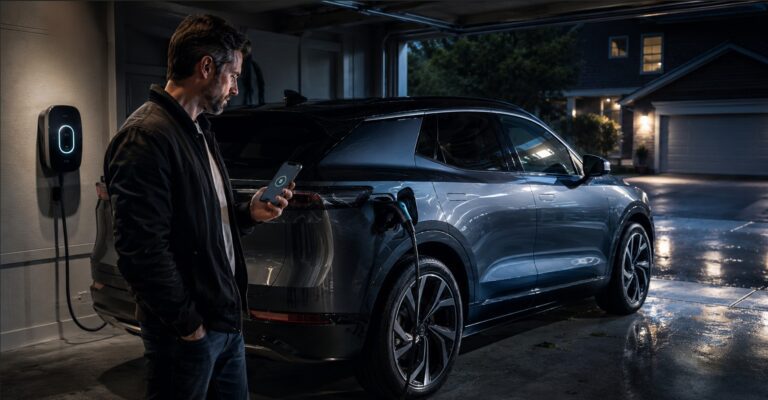
For home use, Level 1 charging uses a standard household outlet and is usually slow. It can work for short commutes or plug-in hybrids, but many full EV owners prefer Level 2 charging. Level 2 charging typically requires professional installation and suitable electrical capacity. Installation cost varies by home layout, panel capacity, permit requirements, charger type, and local labor rates.
Public DC fast charging is most useful for road trips and quick charging stops. However, charging speed depends on the vehicle, battery temperature, charger output, battery state of charge, and network conditions. Many EVs charge fastest at lower battery levels and slow down as the battery fills. That is why experienced EV road trippers often charge from a lower percentage to a practical midpoint instead of waiting for a full charge.
Charging Options for US Drivers
| Charging Type | Typical Use | Best Fit | Important Note |
|---|---|---|---|
| Level 1 | Basic outlet charging | Plug-in hybrids or low-mileage drivers | Slow for large EV batteries. |
| Level 2 Home | Overnight residential charging | Most full EV owners with home parking | Installation cost varies widely. |
| Workplace Charging | Charging while parked at work | Commuters without home charging | Availability depends on employer policy. |
| Public Level 2 | Shopping centers, parking garages, hotels | Top-off charging during longer stops | Better for hours of parking than quick stops. |
| DC Fast Charging | Highway travel and quick charging | Road trips and long-distance drivers | Speed depends on vehicle and charger conditions. |
Before buying, open a charging map and check the places you actually drive. Look at your home area, workplace, grocery store, weekend destinations, family trip routes, and vacation corridors. This is especially important in rural areas, cold-weather states, and regions where charging stations are spread far apart.
Ownership Cost, Maintenance, and Insurance
Electric mobility can reduce some ownership costs, but it does not automatically make every vehicle cheaper. The right comparison includes purchase price, financing rate, lease terms, insurance premium, electricity cost, public charging cost, maintenance, tires, registration fees, depreciation, and resale value.
Electricity is often less expensive per mile than gasoline for drivers who charge at home, but the result depends on local electric rates and driving efficiency. Public fast charging can cost more than home charging and may reduce the savings advantage. Meanwhile, a hybrid vehicle may deliver excellent fuel economy without charger installation, which can make it a smart choice for some households.
Maintenance is another mixed area. Full EVs have fewer engine-related service needs. However, tires, brakes, suspension, software, cooling systems, and body repairs still matter. Insurance should be checked early because premiums can vary by model, driver record, ZIP code, repair network, and parts availability. Buyers should request quotes from multiple insurers before finalizing a deal.
Ownership Cost Factors to Compare
| Cost Factor | Why It Matters | How to Check It |
|---|---|---|
| Purchase or lease price | EVs may cost more upfront, but offers vary by model and market. | Compare dealer quotes, incentives, and total payment terms. |
| Charging or fuel cost | Home charging, public charging, gas prices, and efficiency affect savings. | Use local electric rates and real driving mileage. |
| Maintenance cost | EVs avoid oil changes but still need tires, brakes, filters, and inspections. | Review the manufacturer maintenance schedule. |
| Insurance | Advanced sensors and repair costs may affect premiums. | Get quotes before signing purchase or lease paperwork. |
| Resale value | Depreciation can vary by brand, battery health, incentives, and demand. | Compare used listings and trade-in estimates. |
| Charging installation | Home charger installation can be simple or expensive. | Ask a licensed electrician for an estimate. |
For helpful car buying background before choosing a new vehicle, readers can also review this 2026 car buying guide and this guide to choosing the right car in 2026. These resources can help compare vehicle type, budget, family needs, and long-term ownership expectations.
Electric Mobility Technology and Smart Features
Electric mobility technology includes batteries, electric motors, power electronics, charging hardware, thermal management, software, sensors, infotainment systems, and driver assistance features. These systems work together to make vehicles more efficient, connected, and responsive.
Battery technology receives the most attention, but the full ownership experience depends on more than battery size. A vehicle with smart route planning, reliable charging navigation, efficient heating and cooling, clear energy displays, and strong software support may feel easier to live with than a vehicle that only advertises a large battery.
Smart electric mobility also connects vehicles to the broader energy system. Some EVs can schedule charging during off-peak hours where utility programs allow it. Some may support vehicle-to-load features that power tools, camping gear, or emergency devices. More advanced systems may eventually support vehicle-to-home or vehicle-to-grid use, depending on hardware, software, utility rules, and installation requirements.
Technology Features Worth Comparing
| Feature | Why It Helps | Buyer Tip |
|---|---|---|
| Battery preconditioning | Can improve fast charging performance in some conditions | Check whether it works automatically with navigation. |
| Route planning | Helps plan charging stops on long trips | Test the system during the test drive or showroom demo. |
| Mobile app | Shows charging status, cabin preconditioning, and vehicle data | Ask whether app features require a subscription. |
| Driver assistance | Can support highway driving and safety awareness | Understand limits and never treat it as full self-driving unless legally and technically supported. |
| Infotainment | Controls navigation, media, charging, and settings | Make sure it is easy to use while parked before buying. |
| Over-the-air updates | Can improve software or add features over time | Ask what updates are included and what requires payment. |
Family, SUV, Truck, and Road Trip Usability
For many US households, electric mobility must work as real family transportation. That means enough seats, cargo space, child-seat access, safety features, climate control, highway comfort, and predictable road trip planning. An electric SUV may be ideal for a family commute, but a road trip with kids, luggage, pets, and cold weather requires more planning than a short local drive.
Electric trucks add another layer. They can offer strong acceleration, quiet operation, and useful power features. However, towing and payload can reduce range. A buyer who tows a camper, boat, or work trailer should look for real owner experiences and test-drive expectations instead of relying only on the advertised range number.
Sedans can also be excellent electric mobility choices. They often offer better efficiency than larger SUVs or trucks because they are lower and lighter. For drivers who do not need three rows or heavy cargo space, an electric sedan may deliver a strong balance of range, performance, and ownership cost.
Best Electric Mobility Fit by Lifestyle
| Lifestyle | Good Vehicle Type | Why It Fits |
|---|---|---|
| Short daily commute | EV sedan, EV crossover, plug-in hybrid | Daily charging or partial electric driving can cover most trips. |
| Family with kids | Electric SUV, hybrid SUV, plug-in hybrid SUV | More cargo room, safety features, and flexible seating. |
| Frequent highway travel | Efficient hybrid, long-range EV, plug-in hybrid | Range, charging speed, and highway comfort matter. |
| Truck owner | Electric truck, hybrid truck, gas truck depending on use | Towing, payload, charging, and work needs should drive the choice. |
| Urban resident | Compact EV, e-bike, transit, car share | Parking, short trips, and charging access shape the decision. |
For shoppers comparing broader vehicle choices, HelpfulHub also has resources on best cars in the USA for 2026 and 2026 Toyota models in the US. These can help buyers compare electric, hybrid, and gas options across practical categories.
Dealership, Financing, and Lease Tips
Buying an electric mobility vehicle at a dealership requires preparation. Start with the same basics used for any car buying process: budget, credit, trade-in value, insurance estimate, loan or lease comparison, and total out-the-door cost. Then add EV-specific questions about charging, battery warranty, software, incentives, and service support.
Leasing can be attractive for some EV shoppers because technology changes quickly and resale values can be uncertain. A lease may reduce long-term battery ownership concerns, but it also includes mileage limits, wear rules, fees, and less flexibility. Financing may be better for drivers who keep vehicles for a long time and want ownership control. Buying used can reduce purchase cost, but battery health, warranty transfer, charging compatibility, and software support should be checked carefully.
At the dealership, ask for a real walk-through of charging. See where the charge port is located. Ask what charging cable is included. Confirm whether the vehicle can use the charging networks you expect to use. Check whether any adapter is required. Also ask how the dealer handles software updates, recalls, battery diagnostics, and warranty repairs.
Lease vs Finance vs Used EV
| Option | Possible Advantage | Possible Drawback | Best For |
|---|---|---|---|
| Lease | Lower risk from fast-changing technology | Mileage limits and no ownership equity | Drivers who like changing cars often |
| Finance New | Full ownership and latest warranty coverage | Higher commitment and depreciation exposure | Long-term owners with stable needs |
| Buy Used | Lower upfront cost in many cases | Battery health and warranty must be checked | Budget-focused buyers who do careful research |
| Hybrid Purchase | No plug needed and strong fuel economy | Less electric-only driving | Drivers without charging access |
Common Mistakes to Avoid
The biggest mistake is buying based only on advertised range. EV range is important, but it is not the full story. Charging speed, charging reliability, local infrastructure, home charging, driving conditions, battery management, and vehicle efficiency all affect the ownership experience.
Another common mistake is ignoring insurance until the last minute. Some buyers focus on monthly payment but forget that insurance can change the real cost of ownership. Always compare insurance quotes before finalizing a purchase or lease. This is especially important for high-value EVs, luxury SUVs, and vehicles with expensive driver assistance sensors.
Shoppers also sometimes forget home charging costs. A Level 2 charger may require electrical work, permits, panel upgrades, or professional installation. For some homes, the job is simple. For others, it is expensive. Get an estimate early, especially if the budget is tight.
Finally, do not assume every EV works equally well for road trips. Some vehicles charge faster, have better route planning, or work with more reliable networks. Others may be excellent local commuters but less convenient for long highway travel. Match the vehicle to your real use, not just the trend.
Practical Expert Insight
A smart electric mobility purchase starts with the driver, not the vehicle. Many buyers begin by asking, “Which EV has the longest range?” A better first question is, “How do I actually use my vehicle each week?” The answer may show that a modest-range EV is perfect, a plug-in hybrid is more flexible, or a regular hybrid is the most practical option.
For most US shoppers, the best research method is simple. Track your driving for two weeks. Note your daily mileage, longest trip, parking situation, highway use, weather, cargo needs, and family requirements. Then compare vehicles based on that pattern. This prevents overbuying a more expensive model or underbuying a vehicle that cannot handle road trips.
Also think about long-term support. Electric mobility depends on software, charging, and service networks. A vehicle with a strong warranty, accessible service center, easy charging experience, and clear ownership tools may be more valuable than a vehicle that looks impressive on paper but creates friction in daily life.
Future of Electric Mobility
The future of electric mobility in the United States will likely be shaped by better batteries, more charging access, improved hybrid systems, smarter software, and stronger links between vehicles and the energy grid. The market will not move in one straight line. Some buyers will adopt full EVs quickly. Others will use hybrids or plug-in hybrids as a bridge. Trucks, SUVs, commercial vans, and fleet vehicles will each follow different timelines based on cost, charging, and use case.
Electric mobility trends also include faster charging, more efficient motors, improved battery thermal management, bidirectional charging, subscription-based connected services, advanced driver assistance, and more charging options at apartments, workplaces, hotels, stores, and highway corridors. Urban electric mobility may grow through e-bikes, scooters, electric buses, and smaller vehicles that reduce congestion and parking pressure.
Electric mobility startups will continue pushing new ideas, while established automakers will refine mainstream vehicles for families, commuters, and businesses. The electric mobility market will also depend on policy, incentives, fuel prices, electricity rates, battery supply, dealership training, and consumer trust. In other words, the future is not only about technology. It is about making the full ownership experience easy, affordable, and reliable.
FAQs
What is electric mobility and why is it important?
Electric mobility is the use of electricity to power transportation, including EVs, plug-in hybrids, hybrid vehicles, electric buses, e-bikes, scooters, and charging systems. It is important because transportation affects fuel spending, air quality, city planning, vehicle technology, and household budgets. For US drivers, it creates more choices beyond traditional gas vehicles. However, it also requires better planning around charging, insurance, maintenance, and long-term ownership cost. The right option depends on daily mileage, home charging access, local electricity rates, family needs, road trip habits, and budget.
Is electric mobility only about electric cars?
No. Electric cars are a major part of electric mobility, but the concept is much broader. It includes electric SUVs, sedans, trucks, plug-in hybrids, regular hybrids, e-bikes, scooters, buses, delivery vans, fleet vehicles, smart chargers, charging apps, battery systems, and connected energy services. A household may use several forms at once. For example, a family might own a hybrid SUV, lease an electric sedan, and use an e-bike for short errands. Cities may use electric buses and charging infrastructure as part of broader transportation planning.
Is an electric vehicle cheaper to own than a gas vehicle?
Sometimes, but not always. An electric vehicle may reduce fuel and routine maintenance costs, especially when charged at home. However, the full cost depends on purchase price, financing, lease terms, insurance, electricity rates, public charging costs, tire wear, registration fees, depreciation, and home charger installation. A gas car, hybrid vehicle, or plug-in hybrid may be cheaper for some drivers, especially if they lack convenient charging. The smartest approach is to compare total ownership cost based on your real mileage and local costs.
How does charging affect daily EV ownership?
Charging is central to the EV experience. If you can charge at home, daily ownership can be very convenient because the vehicle can start most mornings with a usable charge. Without home charging, ownership depends more on workplace charging, public stations, and local reliability. Road trips also require planning around charger locations and charging speed. Before buying, check charging options near your home, workplace, grocery routes, family destinations, and highway travel corridors. This prevents frustration after purchase.
Are electric mobility vehicles good for families?
Many electric mobility vehicles can work well for families, especially electric SUVs, crossovers, minivans if available, and hybrid SUVs. Families should compare seating, cargo room, child-seat access, safety features, charging access, road trip range, and climate comfort. A quiet cabin and smooth acceleration can make daily driving pleasant. However, families that travel long distances often should check charging speed, route planning, and luggage impact on range. The best family choice is not always the longest-range EV. It is the vehicle that fits daily routines and weekend travel.
Should I buy, lease, or wait before choosing an EV?
The answer depends on your budget, driving needs, and comfort with changing technology. Leasing can make sense if you want lower long-term risk and plan to switch vehicles in a few years. Financing can work if you keep cars for a long time and want ownership control. Buying used may reduce cost, but you should verify battery health, remaining warranty, software support, and charging compatibility. Waiting may be smart if you lack charging access or if your preferred vehicle type is not yet available at the right price.
What is the biggest mistake electric mobility buyers make?
The biggest mistake is choosing a vehicle based on trend, range number, or monthly payment alone. A practical buyer should also check charging access, real-world driving needs, insurance quotes, home installation cost, service support, battery warranty, resale value, and road trip convenience. Electric mobility works best when the vehicle matches the owner’s lifestyle. A great EV for one driver may be inconvenient for another. Start with your daily route, parking situation, family needs, climate, and budget before comparing models.
Final Practical Checklist
- Track your daily and weekly mileage before choosing a vehicle.
- Confirm whether you can charge at home, work, or nearby public stations.
- Compare EV, plug-in hybrid, hybrid, and gas options for your real use case.
- Get insurance quotes before signing any dealership paperwork.
- Ask a licensed electrician about Level 2 charger installation if needed.
- Review battery warranty, service access, and software support.
- Check road trip routes and charging availability before relying on an EV for long travel.
- Compare total ownership cost, not only the monthly payment.
- Consider resale value, used car demand, and battery health documentation.
- Test the infotainment, charging app, driver assistance, and route planner before buying.
- Choose a vehicle that fits your lifestyle instead of chasing the newest trend.
Conclusion
Electric mobility is changing how Americans think about transportation, but it should still be approached with practical car buying logic. The best vehicle is not simply the newest EV, the longest-range model, or the most advanced dashboard. The best choice is the one that fits your commute, family needs, charging access, budget, insurance situation, road trip habits, and long-term ownership goals.
For some drivers, a full electric vehicle will be the smartest and most convenient choice. For others, a hybrid vehicle or plug-in hybrid may offer a better balance of fuel economy, flexibility, and cost. Electric mobility solutions will continue improving, and the future of electric mobility will bring better charging, smarter software, and more vehicle choices. Before making a decision, compare your real driving needs, research total cost, check local charging, and test the vehicle like you plan to use it every day.