Toyota in US: Complete History Models Manufacturing Reliability and Future Guide
Quick Answer: Why Toyota Is So Popular in the United States
Toyota is popular in the United States because the brand built a reputation around reliability, practical design, strong resale value, fuel-efficient engines, hybrid leadership, and broad dealership support. American buyers often choose Toyota because they want a vehicle that feels easy to own, easy to service, and useful for daily life. The Corolla and Camry became trusted sedans for commuters and families. The RAV4, Highlander, Grand Highlander, 4Runner, Land Cruiser, and Sienna helped Toyota become a major family and SUV brand. The Tacoma and Tundra gave Toyota a real truck presence. Meanwhile, the Prius and Toyota hybrid SUVs made hybrid vehicles feel normal for everyday drivers. Toyota is not always the flashiest brand, and some rivals may offer more aggressive styling, lower entry prices, or faster EV launches. However, Toyota remains a top choice because many US drivers value long-term confidence over short-term excitement.
What Toyota in US Means Today
Toyota in US means different things to different shoppers. To one buyer, it means a Corolla that starts every morning and keeps fuel costs low. To another, it means a RAV4 Hybrid that handles school drop-off, grocery runs, and weekend drives without feeling oversized. For a truck buyer, Toyota may mean a Tacoma with a strong following or a Tundra built for towing, outdoor work, and family duty.
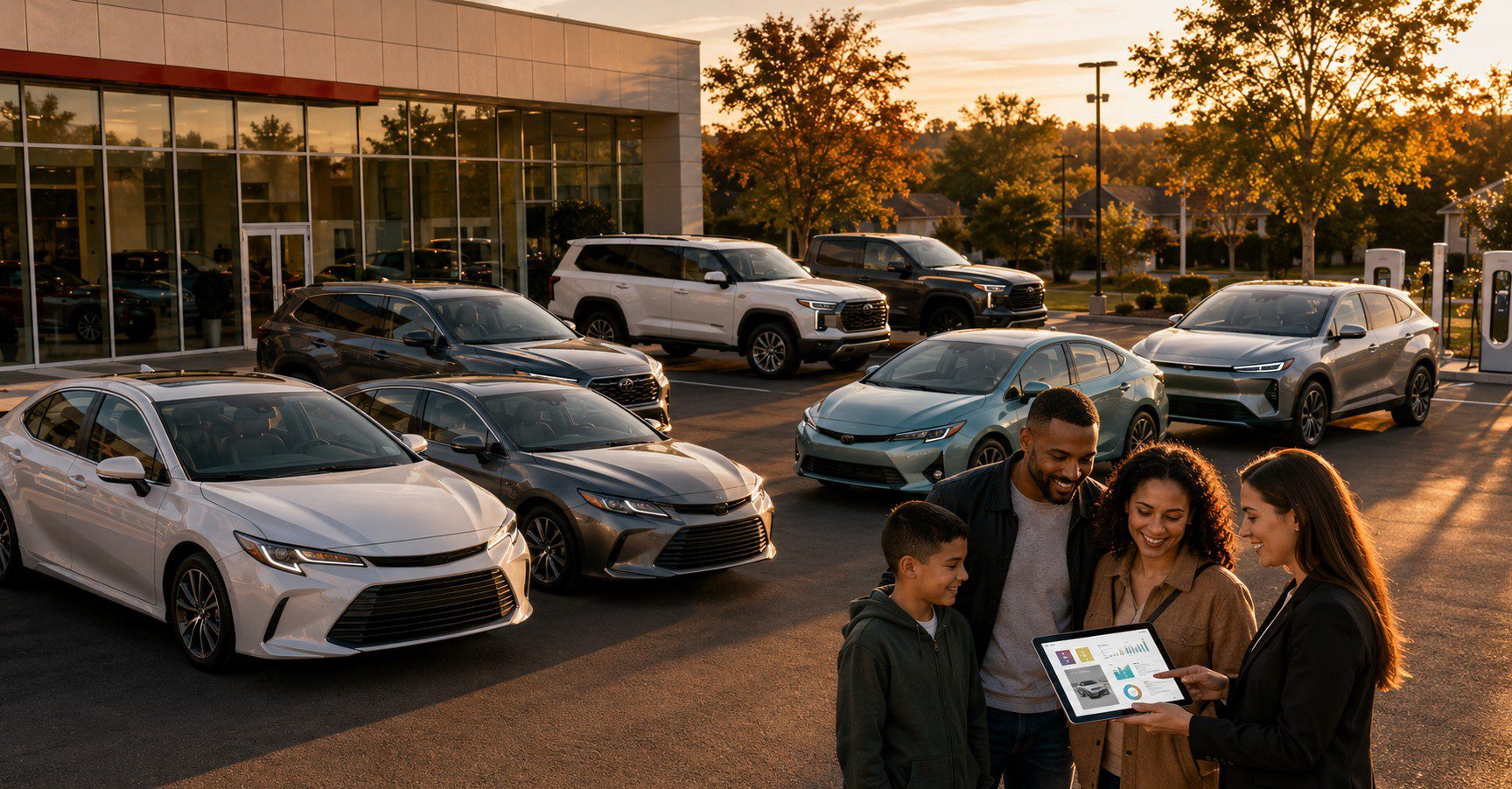
Today, Toyota United States is not just an import brand. Toyota Motor North America has corporate operations, engineering work, manufacturing plants, battery investment, supplier networks, dealer relationships, and a huge ownership base across the country. Toyota vehicles are common on American highways because the brand covers many high-demand categories: compact cars, midsize sedans, compact SUVs, three-row SUVs, minivans, pickups, hybrids, plug-in hybrids, and battery-electric vehicles.
For car buying, Toyota matters because it gives shoppers many practical choices. A first-time buyer may compare a Corolla, Corolla Hybrid, or used Camry. A growing family may compare a RAV4, Highlander, Grand Highlander, or Sienna. A commuter may focus on fuel economy and maintenance cost. A road trip driver may care about comfort, cargo space, safety features, and dealership coverage. An EV shopper may compare Toyota EV USA options against Tesla, Ford, Hyundai, Kia, and GM.
The Toyota car buying guide USA conversation is also changing. In the past, Toyota was mostly about reliability and fuel economy. Now, the discussion includes infotainment, connected services, driver assistance, hybrid batteries, EV charging, plug-in hybrid range, insurance costs, financing, lease offers, and future transportation. Toyota’s strength is that it connects old-school ownership confidence with newer electrified technology.
Toyota in America at a Glance
| Buyer Question | Why Toyota Often Appears | What to Check Before Buying |
|---|---|---|
| Is Toyota reliable? | Many Toyota models have long-term reputations for durability and strong used car demand. | Review service records, recall status, inspection results, and model-specific issues. |
| Is Toyota good for families? | RAV4, Highlander, Grand Highlander, Sienna, and Sequoia cover common family needs. | Compare seating, cargo space, child-seat access, insurance cost, and safety features. |
| Is Toyota good for commuters? | Corolla, Camry, Prius, and hybrid models are practical for daily driving. | Test seat comfort, visibility, fuel economy, parking ease, and infotainment controls. |
| Should I buy Toyota hybrid or EV? | Toyota has deep hybrid experience and a growing EV lineup. | Compare charging access, commute length, state incentives, fuel prices, and lease terms. |
| Is a used Toyota worth it? | High resale value often supports strong demand for used Toyota cars in US markets. | Check mileage, maintenance history, accident reports, tires, brakes, and warranty options. |
Toyota’s Early History in the United States
Toyota’s early US story was not an instant success. Toyota entered the American market in the late 1950s, when Detroit brands dominated US roads and most American families were used to larger, more powerful vehicles. The first Toyota models sold in the US included the Toyopet Crown and Land Cruiser. The Crown was important because it represented Toyota’s first serious attempt to sell passenger cars in America.
However, the early Crown struggled. American highways, faster traffic, longer distances, and buyer expectations exposed weaknesses that were less obvious in Japan. The car was not a perfect fit for US driving conditions. Toyota’s early challenge was clear: success in America required more than exporting a vehicle. The company had to understand American roads, American dealership culture, American buyer expectations, and the importance of after-sales support.
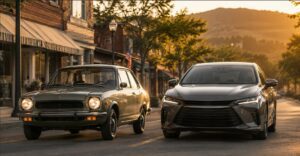
How Toyota entered the American car market is a useful lesson for modern brands. Toyota did not win the US market by launching one perfect model. It learned from mistakes, adjusted its products, improved quality, expanded dealers, and focused on owners who needed affordable, efficient, dependable transportation. That approach eventually helped Toyota in America become one of the most trusted automotive names.
In the early years, Toyota had to overcome low awareness, limited dealer coverage, parts concerns, and skepticism from shoppers who were unfamiliar with Japanese cars. Many US buyers were loyal to Ford, Chevrolet, Dodge, Pontiac, Oldsmobile, and other domestic brands. Toyota had to earn trust slowly. It did that through practical value, improved engineering, and models that better matched real American driving.
Early Toyota US Timeline
| Era | Key Toyota US Development | Why It Mattered |
|---|---|---|
| Late 1950s | Toyota began selling vehicles in the US, including early Crown and Land Cruiser models. | The brand entered a large but difficult market dominated by American automakers. |
| 1960s | Toyota improved its products and dealer strategy for US buyers. | The company learned that American roads required different performance and comfort expectations. |
| 1970s | Fuel-efficient compact cars became more attractive to US drivers. | Toyota’s small-car strengths became more relevant during fuel economy concerns. |
| 1980s | Toyota expanded US manufacturing and quality reputation. | American buyers began seeing Toyota as a mainstream long-term ownership choice. |
| 1990s to today | Toyota grew across sedans, SUVs, trucks, hybrids, and electrified vehicles. | The brand became deeply embedded in US car buying and ownership culture. |
How Toyota Built Trust with US Drivers
Toyota built trust with US drivers by focusing on the basics that matter after the excitement of a new car fades. Buyers want vehicles that start reliably, handle commuting, avoid frequent repairs, hold value, and remain easy to service. Toyota’s reputation grew because many owners felt their vehicles delivered those benefits over time.
The Toyota Corolla became important in America because it represented simple, affordable transportation. It was not designed to impress luxury shoppers. Instead, it appealed to students, first-time buyers, families on a budget, and commuters who wanted lower fuel costs and predictable ownership. Over time, Corolla became one of Toyota’s best-known nameplates.
Toyota and the rise of fuel-efficient cars in the US are closely linked. During periods when fuel prices became a bigger concern, Toyota’s compact cars and efficient engines looked more practical. American buyers who once focused mostly on size and horsepower began paying more attention to fuel economy, reliability, and total ownership cost. Toyota was well positioned for that shift.
The Camry also played a major role. As a midsize sedan, it gave families a comfortable, practical alternative to larger vehicles. It became known for everyday usability, comfortable driving, and long-term value. Even as SUVs gained popularity, the Camry remained important because it showed Toyota could build a mainstream American family car, not only a small economy car.
Trust also came from dealer access and parts availability. A reliable car still needs tires, brakes, oil changes, software updates, recalls, and occasional repairs. Toyota’s growing dealer network in the United States made ownership easier. This helped Toyota move from a niche import to a common dealership choice for millions of American households.
Toyota Manufacturing in the United States
Toyota manufacturing USA is one of the biggest reasons the brand is now part of the American auto industry. Toyota’s first major US manufacturing moves showed that the company wanted more than sales. It wanted to build vehicles close to customers, work with US suppliers, create jobs, and adapt vehicles to local market needs.
One of the most important chapters was NUMMI, the California joint venture between Toyota and General Motors. NUMMI gave Toyota a way to learn more about American manufacturing labor, supplier systems, and local production while also bringing Toyota production methods into a US plant environment. The partnership became a major case study in automotive manufacturing.
Toyota later expanded with major manufacturing operations in states such as Kentucky, Indiana, Texas, Mississippi, Alabama, West Virginia, Missouri, Tennessee, and North Carolina. Toyota US plants build or support vehicles, engines, transmissions, castings, components, and batteries. Some facilities assemble vehicles, while others produce powertrain parts or electrified vehicle batteries.
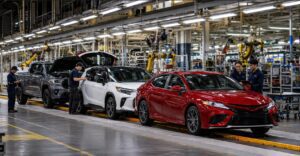
Toyota’s US headquarters and corporate operations are also important. Toyota Motor North America coordinates many business functions for the region, including sales, marketing, manufacturing, engineering, technology, finance, and mobility work. For buyers, this matters because the brand is not operating in the US only as a distant importer. It has a large American footprint.
Toyota jobs, suppliers, and economic impact in America extend beyond final assembly. A modern vehicle depends on seats, electronics, glass, metal stampings, batteries, tires, software, logistics, service tools, dealer training, and many other systems. Toyota’s investment in the US supports a broader automotive ecosystem that affects local communities and regional economies.
Toyota US Manufacturing Snapshot for Buyers
| Manufacturing Area | Buyer Relevance | Practical Note |
|---|---|---|
| Vehicle assembly | Some Toyota models sold in the US are assembled in North America. | Check the window sticker for final assembly location on a specific vehicle. |
| Engines and powertrains | Powertrain production supports many Toyota cars, SUVs, and trucks. | Reliability still depends on maintenance, driving habits, and model year. |
| Hybrid battery production | Battery investment supports Toyota hybrid and electrified vehicle strategy. | Ask dealers about hybrid battery warranty and service support. |
| Supplier network | Local suppliers help support parts availability and production scale. | Parts costs vary by component, trim, age, and regional labor rates. |
| Dealer service network | Dealers provide maintenance, recalls, warranty work, and CPO support. | Compare service reviews and appointment availability near your ZIP code. |
Toyota’s Most Important US Models
Toyota US models cover a wide range of buyer needs. The strongest Toyota car models USA shoppers usually compare include Corolla, Camry, Prius, Crown, RAV4, Highlander, Grand Highlander, 4Runner, Tacoma, Tundra, Sienna, Land Cruiser, and Crown Signia. Each model plays a different role in Toyota’s US strategy.
Toyota Corolla in the US remains a practical compact car choice. It appeals to first-time buyers, students, commuters, and used car shoppers. The Corolla is easy to understand, simple to park, and usually cheaper to insure than larger SUVs or trucks. Corolla Hybrid adds better fuel economy potential for buyers who do a lot of city driving.
Toyota Camry in the US is a long-running midsize sedan name. It is often cross-shopped by buyers who want more comfort than a compact car without moving into an SUV. The Camry’s hybrid direction also shows Toyota’s confidence in electrified sedans, even as the market shifts toward crossovers.
Toyota RAV4 USA demand is strong because compact SUVs fit American life extremely well. A RAV4 is easier to park than a large SUV but more versatile than a sedan. It works for commuting, small families, road trips, pets, light outdoor use, and daily errands. The RAV4 Hybrid and plug-in hybrid versions also give buyers electrified options without requiring a full EV lifestyle.
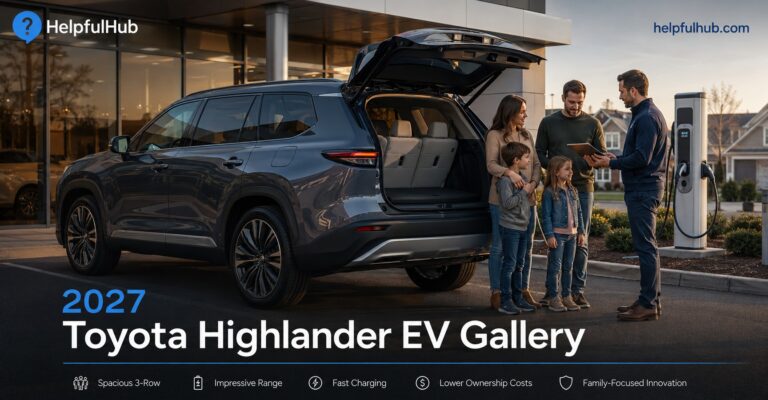
Toyota Highlander in the US and Toyota Grand Highlander in the US serve family buyers who need more seating and cargo flexibility. The Highlander is a known three-row SUV, while the Grand Highlander is aimed at buyers who want more space and comfort. These models compete in one of the most important family vehicle categories in America.
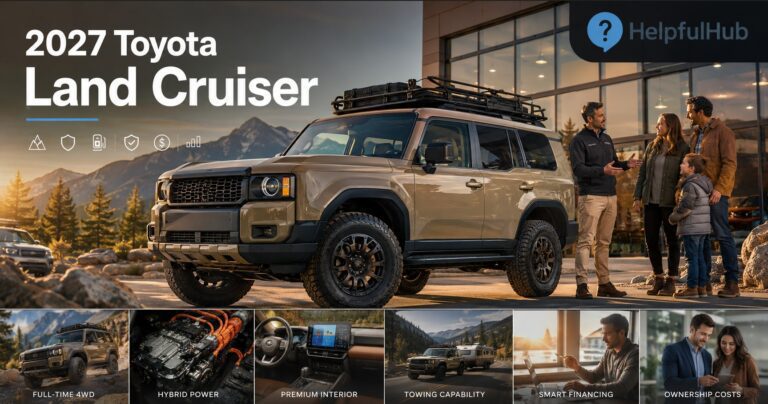
Toyota 4Runner in the US has a different personality. It is popular with adventure drivers, off-road fans, and shoppers who prefer rugged design over car-like softness. Toyota Land Cruiser USA also speaks to buyers who want heritage, off-road capability, and long-distance confidence. These models are not usually the cheapest or most fuel-efficient choices, but they have strong emotional appeal.
Toyota Tacoma in the US is central to Toyota trucks USA. It has a loyal mid-size truck following and is often chosen by buyers who want capability without the size of a full-size pickup. Toyota Tundra in the US is Toyota’s full-size truck strategy, aimed at buyers who need more towing, payload, and road presence.
Toyota Sienna in the US is important because it proves minivans still make sense. Many families buy SUVs because they look cooler, but the Sienna offers sliding doors, strong cabin flexibility, and family-focused practicality. Toyota Prius in the US remains the symbol of hybrid adoption, even though Toyota now offers many more hybrid choices. Toyota Crown and Crown Signia in the US give Toyota more premium-flavored choices for buyers who want comfort and style without moving into a Lexus.
Key Toyota Models and Their Best Use Cases
| Toyota Model | Best For | Buyer Consideration |
|---|---|---|
| Corolla | Students, commuters, first-time buyers, used car shoppers | Great for value, but check rear-seat and cargo needs. |
| Camry | Daily drivers, families wanting a sedan, long commutes | Compare hybrid trims and insurance quotes. |
| RAV4 | Compact SUV buyers, small families, commuters | Compare gas, hybrid, and plug-in hybrid availability. |
| Highlander | Family SUV buyers needing three rows | Test third-row space before buying. |
| Grand Highlander | Families wanting more space than a regular Highlander | Check parking comfort and total price by trim. |
| 4Runner | Off-road, adventure, rugged SUV shoppers | Fuel economy and ride feel may not suit every commuter. |
| Tacoma | Mid-size truck fans, light work, outdoor lifestyles | Compare cab, bed, engine, and towing needs. |
| Tundra | Full-size truck buyers, towing, work and family use | Get insurance and fuel cost estimates before choosing. |
| Sienna | Families, road trips, carpooling, maximum practicality | Often more useful than an SUV for young families. |
| Prius | Hybrid-focused commuters and efficiency shoppers | Check cargo shape and seating comfort. |
Toyota’s SUV Success in the United States
Toyota SUVs USA success comes from timing, practicality, and trust. American buyers moved strongly toward crossovers and SUVs because they want higher seating positions, flexible cargo space, available all-wheel drive, and family-friendly interiors. Toyota responded with a wide SUV range that covers compact, midsize, three-row, rugged, and premium-feeling needs.
Why Toyota SUVs are popular with US families is easy to understand. Families want room for kids, groceries, strollers, sports gear, pets, and luggage. They also want safety features, predictable ownership costs, and good resale value. Toyota SUVs often fit those needs without feeling too complicated.
Toyota RAV4 is America’s practical compact SUV choice because it sits in the sweet spot. It is large enough for daily family use but not as big as a three-row SUV. It offers a familiar driving feel, available all-wheel drive, hybrid options, and broad trim choices. For many buyers, the RAV4 is the default Toyota SUV to compare first.

Toyota Highlander and Grand Highlander serve families who need more seats. The regular Highlander can work for families that use the third row occasionally. The Grand Highlander makes more sense when passengers, cargo, and road trip comfort matter more often. Before choosing either, buyers should bring child seats, sit in every row, and test cargo space behind the third row.
Toyota 4Runner and Land Cruiser appeal to adventure drivers. They are not only about school runs and grocery trips. These SUVs attract buyers who want rugged image, off-road capability, camping access, winter confidence, and long-term durability. However, shoppers should be honest. If most driving is urban commuting, a RAV4, Highlander, or Crown Signia may be more comfortable and efficient.
Toyota Trucks in the United States
Toyota trucks USA strategy centers on Tacoma and Tundra. The Toyota Tacoma popularity in US markets comes from its mid-size truck identity. It feels more manageable than a full-size pickup, but still gives owners a bed, towing ability, outdoor utility, and a strong enthusiast culture. Many Tacoma buyers keep their trucks for years, modify them, or use them for camping, bikes, tools, and weekend projects.
Toyota Tundra full size truck USA buyers are different. They may tow larger trailers, carry more equipment, or prefer a bigger cabin. The Tundra competes against deeply established American full-size trucks from Ford, Chevrolet, GMC, and Ram. Toyota’s challenge is not only capability. It must convince loyal truck owners that Toyota can deliver strength, comfort, technology, and long-term value.
Truck buyers should be practical. Do not choose a Tacoma or Tundra only because it looks good. Think about towing weight, payload, cab size, bed length, parking space, fuel cost, tire replacement cost, and insurance. Trucks can be expensive to own, especially with large tires, off-road packages, and higher trims.
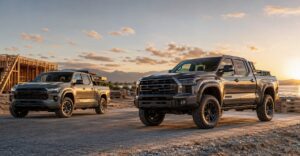
For many US drivers, a truck is both a tool and a family vehicle. That means comfort, rear-seat space, safety features, phone connectivity, and highway ride quality matter. A short test drive around a dealership is not enough. Drive on the highway, park it, check visibility, and make sure the size works for your daily routine.
Toyota hybrid cars USA are one of the strongest parts of the brand’s identity. Toyota made hybrid cars mainstream through the Prius, then expanded hybrid technology into normal family vehicles. Today, shoppers can consider hybrid versions of sedans, SUVs, minivans, and even trucks depending on model availability.
Toyota Prius and the hybrid revolution changed how many Americans viewed fuel efficiency. Before the Prius, efficient cars often felt like compromises. The Prius gave buyers a clear identity: lower fuel use, advanced technology, and practical daily driving. It also helped make hybrid batteries and regenerative braking familiar to mainstream shoppers.
Toyota Camry Hybrid, Corolla Hybrid, and RAV4 Hybrid are important because they bring hybrid benefits into normal car buying categories. A shopper may not want a vehicle that looks unusual. They may simply want a familiar sedan or SUV with better fuel economy potential. Toyota understands that many American drivers prefer electrification that fits their existing lifestyle.
Toyota hybrid SUVs and trucks show how the strategy has expanded. Hybrid systems can support fuel economy, low-speed efficiency, and sometimes performance. In SUVs, hybrids can reduce fuel stops during commuting and family travel. In trucks, hybrid systems may support power delivery and capability, depending on configuration.
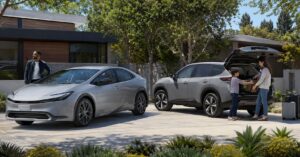
Why Toyota focuses on hybrids in America is a practical question. Not every US driver can charge at home. Apartment residents, rural drivers, high-mileage commuters, and road trip families may not be ready for a full EV. A hybrid vehicle can reduce fuel use without requiring charging planning. That makes Toyota hybrid buying guide USA content especially useful for shoppers who want lower operating costs but are not ready to depend on public charging.
Hybrid, Plug-In Hybrid, and EV: Which Toyota Path Fits You?
| Vehicle Type | Best For | Potential Drawback | Smart Buyer Tip |
|---|---|---|---|
| Regular hybrid | Drivers who want better fuel economy without plugging in | Usually limited electric-only driving | Great for city driving, commuting, and families without home chargers. |
| Plug-in hybrid | Drivers with home charging and shorter daily trips | Higher price and more charging planning | Check real commute distance and local electricity rates. |
| Battery-electric vehicle | Drivers with charging access and predictable routes | Charging time and road trip planning can matter | Compare EV range, charging network access, lease offers, and incentives. |
| Gas-only vehicle | Drivers wanting lower upfront complexity or specific capability | Fuel cost may be higher over time | Compare total cost, not only purchase price. |
Toyota Electric Vehicles in the US
Toyota electric vehicles USA strategy has been more cautious than some competitors. While Tesla pushed the EV market forward and brands like Ford, Hyundai, Kia, and GM expanded battery-electric choices, Toyota continued to emphasize hybrids, plug-in hybrids, and gradual EV development. Some critics say Toyota moved slowly. Supporters argue Toyota is matching electrification to real-world buyer readiness.
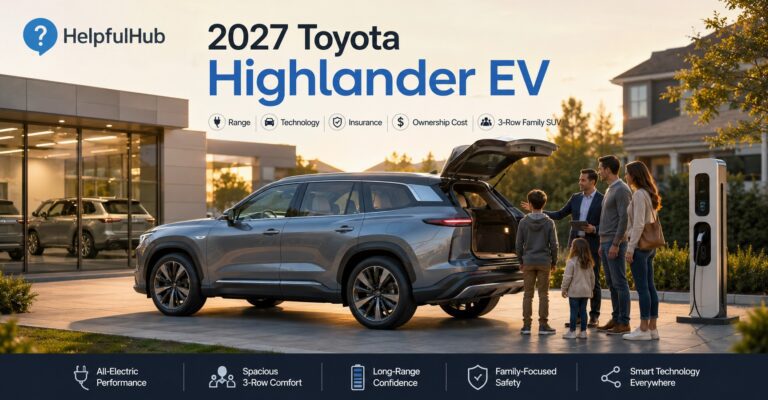
Toyota bZ and Toyota’s modern EV push are part of the brand’s broader Beyond Zero direction. The Toyota bZ in the United States gives shoppers a battery-electric option, while Toyota continues developing future electric models. Buyers who search Toyota EV lineup in America should check Toyota’s official site and local dealers because EV trim availability, charging details, incentives, and lease programs can change.
Toyota C-HR EV and future electric models are common search topics, but US shoppers should be careful. Not every global Toyota EV nameplate automatically becomes a US model. A vehicle may be sold in another market, previewed as a concept, or discussed in future plans without being available at a local US dealership. Always verify with Toyota USA before making purchase plans.
Toyota’s EV strategy compared with Tesla, Ford, Hyundai, and GM is different. Tesla focuses heavily on EV-only products and charging ecosystem advantages. Ford and GM use trucks, SUVs, and commercial scale. Hyundai and Kia often compete with strong EV design, charging speed, and value. Toyota relies on brand trust, hybrids, manufacturing depth, and a gradual EV ramp. This means Toyota may appeal to buyers who want electrification but still value familiar ownership support.
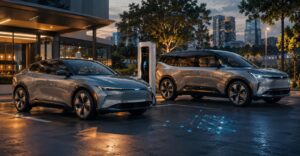
Many shoppers searching top ten electric cars 2026 in US will compare Toyota with Tesla Model Y, Hyundai Ioniq 5, Kia EV9, Ford Mustang Mach-E, Chevrolet Equinox EV, and other electric vehicles. Toyota may not always lead EV rankings on range or fast-charging speed, but it can remain relevant for buyers who prefer dealer-based service, familiar controls, and a conservative ownership path.
Toyota plug-in hybrid models in the US may be the better fit for some buyers than a full EV. A plug-in hybrid can handle short local trips with charging while keeping a gas engine for longer drives. That makes sense for families who want some electric driving but still take highway trips through areas where charging access may be limited.
The best Toyota EV decision depends on your charging life. If you can install a Level 2 charger at home, an EV may be easier to own. If you rely only on public charging, a hybrid or plug-in hybrid may be less stressful. When comparing top ten electric cars 2026 in US lists, do not focus only on the headline range number. Look at charging reliability, winter performance, service access, insurance, battery warranty, and real driving routes.
Toyota Reliability in the United States
Toyota reliability USA is one of the brand’s biggest selling points. Many shoppers believe Toyota cars last so long because the company often favors proven engineering, careful quality control, conservative powertrain choices, and strong maintenance habits among owners. However, reliability is not magic. A Toyota can still have problems if it is neglected, abused, modified poorly, or repaired with low-quality parts.
Why Toyota cars last so long often comes down to practical design and owner behavior. Toyota tends to make vehicles that are easy to use and widely serviced. Many independent mechanics know Toyota products well. Parts availability is usually strong. Owners also often keep up with basic maintenance because they expect the vehicle to last.
Toyota maintenance cost in USA markets varies by model. A Corolla or Camry may cost less to maintain than a Tundra, Land Cruiser, or performance-oriented trim. Larger tires, all-wheel drive systems, hybrid components, turbocharged engines, towing use, and off-road driving can change the ownership equation. The smart move is to compare maintenance schedules before buying, not after.
Toyota resale value in America is another reason buyers choose the brand. Strong used car demand can help owners when they trade or sell. However, high resale value can also make used Toyota models expensive. A three-year-old Toyota may not always be cheap compared with a new one, especially if incentives or financing offers are available on new inventory.

Most reliable used Toyota models often include well-maintained Corolla, Camry, Prius, RAV4, Highlander, Tacoma, and 4Runner examples. Still, every used vehicle is individual. A clean service history matters more than a badge. Buyers should inspect brakes, tires, suspension, fluids, electronics, hybrid battery health when relevant, rust in snow states, accident history, title status, and open recalls.
It is a support system designed to help reduce certain driving risks. The driver must stay alert, keep hands ready, and understand system limits. Weather, road markings, sun glare, dirt, damaged sensors, and unusual traffic situations can affect performance.
Toyota infotainment and connected technology have become more important because buyers now expect easy phone pairing, navigation options, voice control, app integration, charging information, and over-the-air update potential. Before buying, test the touchscreen, wireless Apple CarPlay or Android Auto availability, USB ports, rear-seat charging, camera views, and subscription features.
Toyota warranty coverage in the US usually includes basic and powertrain coverage for new vehicles, with separate terms for hybrid components, emissions items, accessories, and certified pre-owned vehicles. Buyers should read the warranty booklet for the exact model year and vehicle. Do not rely only on a salesperson’s summary.
Safety also includes practical design. A vehicle with good visibility, comfortable seating, simple controls, and predictable braking can reduce daily stress. For families, check child-seat installation, rear door opening size, third-row access, cargo security, and whether everyone can buckle up comfortably.
Safety and Technology Buyer Checklist
| Feature Area | Why It Matters | What to Test |
|---|---|---|
| Driver assistance | Can support highway commuting and traffic confidence. | Ask which Toyota Safety Sense version is included on the exact trim. |
| Cameras and parking aids | Helpful for SUVs, trucks, tight garages, and city parking. | Test image quality, camera angles, and alerts during a demo. |
| Infotainment | Daily usability depends on phone pairing and simple menus. | Connect your phone before buying and check wireless features. |
| Family safety | Seat belts, child-seat fit, and rear visibility matter every day. | Bring car seats and test every row. |
| Warranty support | Coverage can reduce risk during early ownership. | Read exact warranty terms for new, hybrid, EV, or CPO vehicles. |
Toyota Ownership Costs in America
Toyota ownership cost USA depends on purchase price, financing, lease terms, depreciation, insurance, fuel, electricity, maintenance, repairs, registration, taxes, tires, and local labor rates. A Toyota badge can help with resale value, but it does not make ownership free. Buyers should compare total cost over several years.
Toyota insurance costs in the US vary by state, ZIP code, driver age, driving record, credit-based insurance factors where allowed, annual mileage, vehicle value, repair cost, theft risk, safety features, and coverage levels. A Camry may cost less to insure than a Tundra in many cases, but quotes can surprise you. Always get insurance quotes before signing paperwork.
Toyota financing, leasing, and certified pre-owned options give buyers different paths. Financing can make sense if you plan to keep the vehicle long-term. Leasing may work if you want lower commitment, predictable warranty coverage, and a new vehicle every few years. CPO can work if you want used pricing with additional inspection and warranty support.
Fuel economy and EV range should be considered in real life, not only on a window sticker. A driver in Los Angeles traffic, a family in Texas, a commuter in snowy Michigan, and a rural driver in Montana will have different ownership experiences. Weather, speed, tire choice, roof racks, towing, and driving style all affect fuel use or electric range.
Maintenance costs also depend on how the vehicle is used. A commuter Corolla may have lower tire and brake costs than a heavy truck used for towing. A hybrid may reduce brake wear due to regenerative braking, but buyers should understand hybrid battery coverage and long-term service needs. Off-road SUVs can require more tire, suspension, and underbody attention.
Common Toyota Ownership Cost Factors
| Cost Factor | What Changes the Cost | Buyer Action |
|---|---|---|
| Insurance | Location, driver profile, trim, repair cost, coverage level | Get quotes for each model before choosing. |
| Fuel or charging | Gas prices, electricity rates, commute length, driving style | Estimate monthly use based on your real routes. |
| Maintenance | Vehicle size, tires, brakes, drivetrain, towing, mileage | Read the maintenance schedule and price common services. |
| Depreciation | Model demand, mileage, condition, accident history, market trends | Compare resale values, not only purchase price. |
| Financing | Credit profile, loan term, APR, down payment, taxes, fees | Calculate total interest, not just the monthly payment. |
| Repairs | Age, warranty status, parts availability, labor rates | Keep an emergency repair fund even for reliable vehicles. |
Best Toyota Models by Buyer Type
Best Toyota models for first-time buyers often include Corolla, Corolla Hybrid, Camry, and small Toyota SUVs. These vehicles are familiar, easy to drive, and usually easier to understand than large trucks or luxury vehicles. First-time buyers should avoid stretching the budget for features they do not need.
Best Toyota models for families include RAV4, Highlander, Grand Highlander, Sienna, and sometimes Sequoia depending on budget and space needs. Families should prioritize rear-seat comfort, cargo area, safety features, visibility, easy cleaning, and insurance costs. A minivan may not look as adventurous as an SUV, but it can be the smarter family vehicle.
Best Toyota models for commuters include Corolla, Camry, Prius, Corolla Hybrid, Camry Hybrid, and RAV4 Hybrid. Commuters should focus on seat comfort, fuel economy, phone connectivity, highway noise, adaptive cruise control, and maintenance cost. A vehicle that saves a little fuel but feels uncomfortable every day may not be the right choice.
Best Toyota models for students are usually affordable used Corolla, Camry, Prius, or RAV4 models with good maintenance records. Students should not buy only for style. Insurance, parking, fuel, tires, and repairs matter. A clean used Toyota can be a smart choice, but only after a pre-purchase inspection.
Best Toyota models for road trips include Camry, RAV4, Highlander, Grand Highlander, Sienna, Land Cruiser, and some Tundra configurations. Road trip buyers should consider seat support, cargo layout, highway range, driver assistance, spare tire setup, charging needs, and rear-seat comfort.
Best Toyota models for snow and winter driving often include vehicles with available all-wheel drive, good tires, stable handling, and practical ground clearance. RAV4, Highlander, Grand Highlander, 4Runner, Land Cruiser, and some hybrid AWD models may fit. However, winter tires can matter more than the badge. Even the best SUV performs poorly on worn tires.
Toyota vs Other Brands in the United States
Toyota vs Honda USA is one of the most common comparisons. Both brands are known for reliability, fuel economy, and practical ownership. Toyota may appeal more to buyers focused on hybrid variety, truck options, and resale strength. Honda may appeal to drivers who like sharper handling, roomy interiors, and strong four-cylinder engines. The better choice depends on the exact model.
Toyota vs Ford in the United States often depends on category. Ford is powerful in trucks, performance, commercial vehicles, and certain SUVs. Toyota is strong in hybrids, compact SUVs, midsize sedans, and long-term reliability perception. A Tundra buyer should compare Ford F-150 carefully, while a RAV4 Hybrid buyer may compare Ford Escape Hybrid or other compact SUVs.
Toyota vs Chevrolet in America is also category-specific. Chevrolet has strong trucks, full-size SUVs, affordable models, and growing EV options. Toyota competes with reliability reputation, hybrids, and resale value. Truck buyers should compare towing, payload, engine choices, dealer support, and real incentives.
Toyota vs Hyundai and Kia has become more competitive. Hyundai and Kia often offer bold design, strong warranty appeal, and tech-heavy interiors. Toyota usually counters with resale value, hybrid depth, and a long reliability reputation. Buyers should compare real transaction prices, insurance quotes, warranty terms, and expected resale.
Toyota vs Subaru for families often involves safety, all-wheel drive, practicality, and outdoor lifestyles. Subaru is known for standard all-wheel drive on many models and strong appeal in snow states. Toyota offers broader hybrid choices and a wider lineup. Families should compare seating, cargo, ride comfort, and local dealer service.
Toyota vs Tesla in the US EV market is a major future question. Tesla has EV range, charging network awareness, software identity, and direct-sales appeal. Toyota has dealer service, hybrid leadership, manufacturing scale, and mainstream trust. Buyers comparing top ten electric cars 2026 in US lists should look beyond hype and decide whether they want a full EV lifestyle or a gradual electrified path.
Toyota vs Competitors: Practical Buyer View
| Comparison | Toyota Strength | Rival Strength | Best Buyer Move |
|---|---|---|---|
| Toyota vs Honda | Hybrid range, resale value, trucks | Driving feel, interior packaging, strong engines | Test comparable trims on the same day. |
| Toyota vs Ford | Hybrids, reliability perception, compact SUV strength | Full-size trucks, performance, commercial lineup | Compare capability and ownership cost. |
| Toyota vs Chevrolet | Resale value, hybrids, practical SUVs | Truck selection, large SUVs, EV expansion | Review incentives and repair costs. |
| Toyota vs Hyundai and Kia | Long-term reputation and hybrid depth | Warranty appeal, design, technology value | Compare insurance and depreciation estimates. |
| Toyota vs Subaru | Broader lineup and hybrid choices | All-wheel drive identity and outdoor appeal | Prioritize climate, road type, and family space. |
| Toyota vs Tesla | Dealer support and hybrid transition options | EV ecosystem, software, charging awareness | Match the vehicle to your charging access. |
New Toyota vs Used Toyota: Which Should US Buyers Choose?
New Toyota vs used Toyota is not a simple answer. A new Toyota gives the latest safety features, full warranty, known history, updated infotainment, and current financing or lease options. It may be the smarter choice if used prices are high or if you plan to keep the vehicle for many years.
A used Toyota can be a smart deal if the vehicle has a clean title, strong service history, reasonable mileage, and a fair price. Many Toyota used cars USA shoppers look for Corolla, Camry, RAV4, Prius, Highlander, Tacoma, and 4Runner models because they expect long life. However, popularity can keep prices high.
Most reliable used Toyota models are still only reliable if they were maintained. A poorly maintained Toyota can become expensive. Check oil change history, coolant service, transmission service when applicable, brake condition, tire age, suspension wear, rust, accident history, and recall completion.
Common Toyota problems US buyers should know vary by model and year. Some vehicles may have infotainment issues, recalls, premature wear items, oil leaks, transmission complaints, battery concerns, or suspension noises. Do not assume every Toyota model year is perfect. Research the exact year, trim, engine, and drivetrain.
Toyota recall and service information should be checked before purchase. Use the vehicle identification number to look for open recalls. A Toyota dealer can also confirm whether recall work has been completed. For used hybrids and EVs, ask for battery-related warranty information and diagnostic results where available.
Toyota Dealer Network, CPO, Parts, and Service
Toyota dealer network USA coverage is a practical advantage. Many US cities and suburbs have Toyota dealers within a reasonable driving distance. This helps with test drives, financing, lease returns, parts, warranty repairs, recalls, and scheduled maintenance. In rural areas, dealer distance still matters, so check before buying.
Toyota Certified Pre-Owned program USA options can help buyers who want a used Toyota with extra confidence. CPO vehicles generally must meet age, mileage, inspection, and condition requirements, and they may include additional warranty benefits. Exact terms can vary by program details and model year, so buyers should review paperwork carefully.
Toyota parts, service, and maintenance availability help keep ownership practical. Common parts for high-volume models are often easier to source than rare specialty parts. However, advanced sensors, hybrid components, EV parts, large truck tires, and body panels can still be expensive. Insurance companies also consider repair costs when setting premiums.
Dealership shopping tips are simple but important. Get an out-the-door price in writing. Compare multiple dealers. Ask about required add-ons. Review the financing contract. Confirm the exact trim and options. Do not focus only on monthly payment. For leases, check mileage limits, money factor, residual value, fees, and wear rules.
If you are shopping online, verify that the listed vehicle is still available before driving to the dealer. Ask for the window sticker, vehicle history report for used cars, and any dealer-installed options. Be polite but firm. A good dealership experience should make the buying process clearer, not more confusing.
Toyota’s Future in the United States
Toyota’s future in the United States will likely be shaped by hybrids, batteries, EVs, software, safety technology, supply chains, and changing buyer expectations. The US market is not moving in one single direction. Some buyers want full EVs. Others want hybrids. Truck buyers want capability. Families want space and safety. Commuters want lower cost. Toyota has to serve all of them.
Toyota’s hybrid future in America looks strong because hybrids solve a real problem for many drivers. They improve fuel economy without requiring home charging. For buyers who live in apartments, drive long distances, or worry about public charging, hybrids remain attractive. Toyota’s challenge is to keep hybrid pricing competitive while improving performance, refinement, and availability.
Toyota’s battery manufacturing and EV investment matter because future vehicles will depend more on battery supply. Battery production can support hybrids, plug-in hybrids, and electric vehicles. As more Toyota vehicles become electrified, US battery capacity may help with cost control, supply stability, and local production strategy.
Toyota’s role in future mobility goes beyond selling cars. The company has discussed mobility for all, advanced driver assistance, connected services, alternative powertrains, software, and transportation solutions. For the average buyer, the most important result should be safer, cleaner, more efficient, and more useful vehicles.
Is Toyota still a good brand for US buyers? Overall, yes, but not automatically for every person. Toyota remains strong for reliability-focused shoppers, hybrid buyers, families, commuters, and used car shoppers. However, buyers who want the fastest EV charging, the lowest upfront price, luxury interiors, or aggressive performance may prefer another brand. The best choice depends on your use case.
As shoppers compare top ten electric cars 2026 in US guides, Toyota will need to prove that its EVs can compete on range, charging, price, software, and availability. At the same time, Toyota’s hybrid depth gives it a bridge strategy that many real-world American drivers still find practical.
Practical Expert Insight
The smartest way to shop Toyota is to start with your life, not the model name. Many buyers walk into a dealership asking for a RAV4, Tacoma, or Highlander because they have heard the name for years. That is understandable, but it can lead to overspending or choosing the wrong vehicle.
Start with five questions. How many people ride with you every week? How far do you drive each day? Can you charge at home? How much can you afford after insurance and fuel? How long do you plan to keep the vehicle? These questions will narrow your list faster than reading random rankings.
For example, a commuter with a long city drive may benefit more from a Corolla Hybrid or Camry Hybrid than a larger SUV. A family with three children may find a Sienna more practical than a Highlander. A driver who wants off-road image but rarely leaves pavement may be happier with a RAV4 or Crown Signia than a 4Runner. A shopper interested in top ten electric cars 2026 in US lists may still choose a Toyota hybrid if charging access is weak.
Do not buy only because of Toyota reliability USA reputation. Buy the right Toyota, in the right condition, at the right price, with the right ownership plan. That is how the brand’s strengths become real value.
Final Practical Checklist for Toyota Buyers in the US
- Choose the vehicle category first: sedan, SUV, truck, minivan, hybrid, plug-in hybrid, or EV.
- Compare total ownership cost, not only the monthly payment.
- Get insurance quotes before committing to a trim or body style.
- For families, test child seats, cargo space, third-row access, and rear visibility.
- For commuters, test seat comfort, road noise, fuel economy expectations, and infotainment.
- For hybrids and EVs, understand battery warranty, charging access, and local service support.
- For trucks, calculate towing, payload, tire cost, parking space, and fuel use.
- For used Toyota models, get a pre-purchase inspection and check recall status.
- Compare new, used, and Toyota certified pre owned USA options before deciding.
- Ask for an out-the-door price and review all dealer add-ons.
- Use resources such as choose the right car in 2026 and car buying guide 2026 before visiting a dealership.
- Review Toyota lineup updates through 2026 Toyota models USA and compare broader market picks with best cars in the USA 2026.
Toyota in US FAQs
When did Toyota come to the United States?
Toyota began its serious US sales effort in the late 1950s. The early years were difficult because the first passenger cars were not perfectly matched to American highways and buyer expectations. Toyota learned from those challenges and gradually improved its products, dealer support, and understanding of US driving needs. Over time, the brand shifted from a small import competitor to a major mainstream automaker in America. Today, Toyota in the United States includes sales, manufacturing, corporate operations, dealers, suppliers, and millions of owners across the country.
What was the first Toyota car sold in America?
One of Toyota’s first major passenger cars sold in America was the Toyopet Crown, with the Land Cruiser also appearing in the early US lineup. The Crown did not become a US success at first because it struggled with American highway speeds, buyer expectations, and market conditions. However, that early failure was important. It showed Toyota that the US market required specific product planning, stronger dealer support, and vehicles designed around American driving. Later models such as Corolla and Camry helped Toyota build real trust.
Are Toyota cars made in the United States?
Yes, many Toyota vehicles and components are made or supported by Toyota manufacturing operations in the United States and North America. Toyota has major facilities involved in vehicle assembly, engines, transmissions, components, and batteries. However, not every Toyota sold in the US is built in the US, and production locations can vary by model, trim, and year. The best way to confirm a specific vehicle’s final assembly location is to check its window sticker or ask the dealer for the exact vehicle identification details.
Is Toyota more reliable than Honda, Ford, or Chevrolet?
Toyota has a strong reliability reputation, but the best answer depends on the exact model, year, engine, maintenance history, and how the vehicle was used. Toyota and Honda are often compared for long-term dependability. Ford and Chevrolet are especially strong in trucks and certain SUV categories. A well-maintained Toyota can be an excellent long-term vehicle, but a neglected Toyota can still become expensive. Buyers should compare model-specific reliability, maintenance records, recall history, ownership cost, and inspection results instead of relying only on brand reputation.
Should I buy a Toyota hybrid or a Toyota EV?
A Toyota hybrid may be better if you want improved fuel economy without charging at home. It is practical for commuters, families, apartment residents, and drivers who take long highway trips. A Toyota EV may fit better if you can charge at home, have predictable daily routes, and want to reduce gasoline use as much as possible. Plug-in hybrids can be a middle path. When comparing top ten electric cars 2026 in US options, consider charging access, EV range, winter driving, incentives, insurance, and long-term battery coverage.
Which Toyota is best for families in the US?
The best Toyota for families depends on family size, cargo needs, budget, and driving style. The RAV4 is a practical compact SUV for small families. The Highlander and Grand Highlander are better for buyers who need three rows. The Sienna may be the most practical family choice because of sliding doors, flexible seating, and road trip comfort. Larger SUVs and trucks can work for specific needs, but they may cost more to fuel, insure, and maintain. Always test child seats and cargo space before buying.
Is a used Toyota still a good buy?
A used Toyota can be a very good buy if it has a clean title, strong maintenance history, reasonable mileage, and a fair price. Popular used Toyota models often hold value well, so they are not always cheap. Buyers should avoid assuming that every used Toyota is automatically safe or reliable. Get a pre-purchase inspection, check the vehicle history report, verify recall completion, inspect tires and brakes, and compare the used price with new Toyota financing or lease options. Condition matters more than the badge.
Final Verdict: Why Toyota Remains a Top Car Brand in the US
Toyota remains a top car brand in the US because it understands what many American buyers need after the excitement of shopping is over. A good vehicle must handle commuting, family life, road trips, weather, maintenance, insurance, resale, and long-term ownership. Toyota’s best models often do those jobs well.
The brand’s journey from early US struggles to mainstream success shows why adaptation matters. Toyota learned from the American market, built trust through practical vehicles, expanded manufacturing, invested in hybrids, developed SUVs and trucks, and continued moving toward electrified transportation. That is why Toyota USA remains relevant across so many buyer groups.
Still, the best Toyota is not the same for everyone. A Corolla Hybrid may be perfect for a student. A Camry may fit a commuter. A RAV4 may work for a small family. A Sienna may be the smartest road trip choice. A Tacoma or Tundra may be right for truck needs. A Toyota EV or plug-in hybrid may fit buyers with charging access. Meanwhile, shoppers comparing top ten electric cars 2026 in US options should look at real charging life, not just online rankings.
Your next step is simple. List your driving needs, set a realistic budget, compare insurance and ownership costs, test drive the right models, and check both new and used Toyota options. Toyota’s reputation is valuable, but your personal fit matters most.