
Electric Mobility Scooters: Complete US Buyer Guide for Comfort, Safety, Range, and Daily Use
Quick Answer
Electric mobility scooters can be useful for short-distance mobility, local errands, community use, and daily comfort. A 3-wheel mobility scooter may fit tighter indoor spaces, while a 4-wheel scooter may feel more stable outdoors. Portable and foldable scooters may help with travel, storage, and vehicle transport. The best choice depends on comfort, battery needs, terrain, storage space, transportation, local rules, and support needs. Buyers should compare safety features, warranty, service access, and real-world daily use before choosing.
Electric Mobility Scooters: What They Are and Who They Help
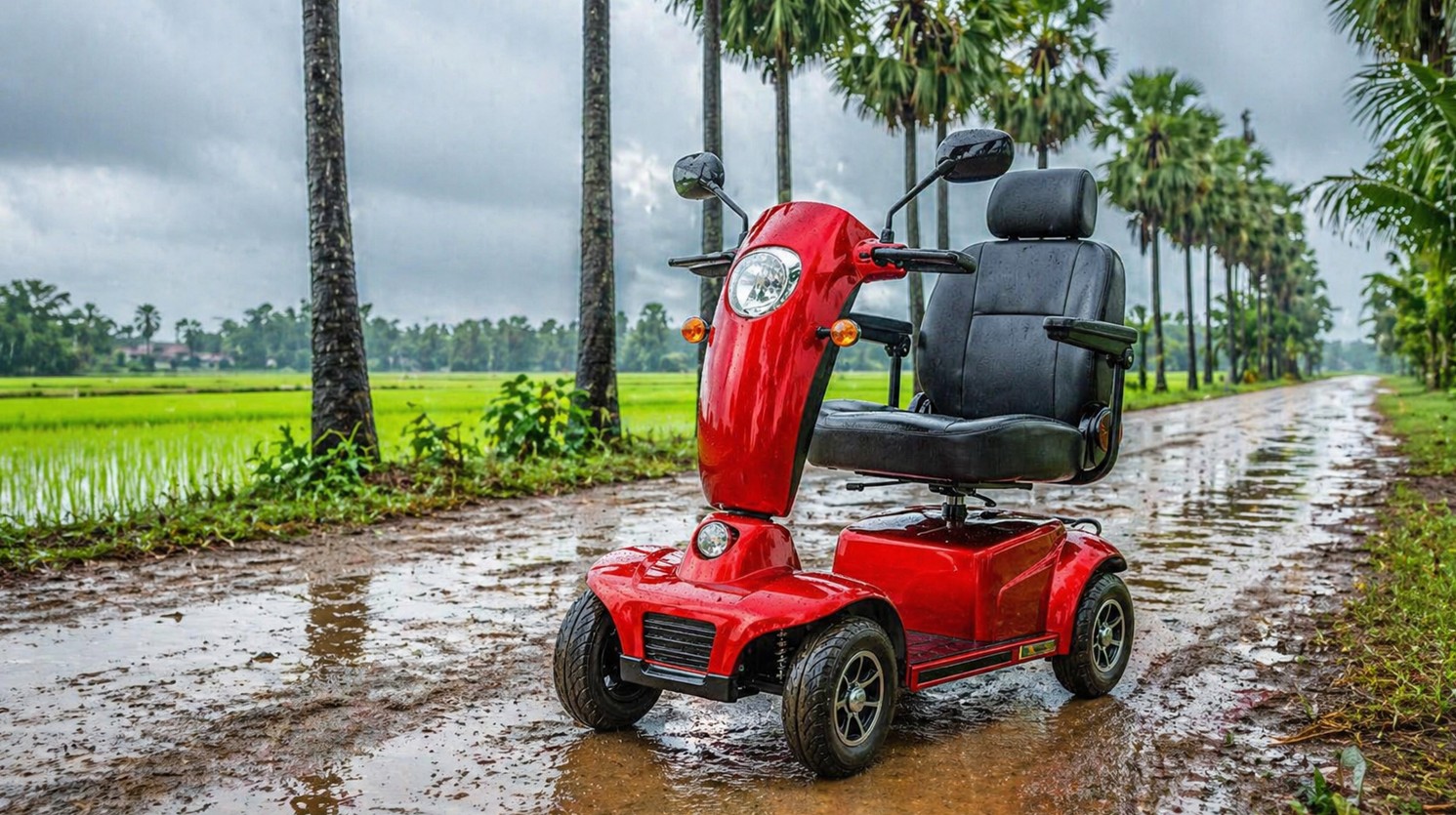
An electric mobility scooter is a personal electric mobility device designed to help a rider travel short distances while seated. Most models use a rechargeable battery, a tiller or handlebar-style control, a seat, wheels, brakes, and speed controls. They are usually built for comfort, stability, and everyday access rather than speed or recreation.
These scooters can help people who want support for grocery trips, doctor visits, senior living communities, apartment hallways, shopping centers, neighborhood sidewalks, or short local errands. They may also help caregivers support a family member who has trouble walking longer distances. However, they are not a medical cure, and buyers with health or mobility concerns should speak with a qualified medical or mobility professional when needed.
The most important question is not simply which scooter is popular. The better question is whether the scooter fits the rider, home, storage space, terrain, transport needs, and daily routine.
Quick Comparison: 3-Wheel, 4-Wheel, Portable, Foldable, and Heavy-Duty Scooters
Mobility scooters are not all built for the same job. A compact indoor model may turn easily in a hallway but feel limited on uneven outdoor surfaces. A heavy-duty scooter may feel more confident outdoors, but it may be harder to lift, store, or transport in a small vehicle.
Before comparing colors or small accessories, compare the main scooter category. This helps you avoid buying too much scooter for a small apartment or too little scooter for outdoor use.
Electric Mobility Scooter Types Comparison
| Scooter Type | Best Fit | Main Advantage | Watch Before Buying |
|---|---|---|---|
| 3-wheel mobility scooter | Indoor spaces, apartments, tight turns | Often easier to turn in narrow areas | Outdoor stability depends on model, terrain, and rider needs |
| 4-wheel mobility scooter | Outdoor sidewalks, shopping centers, mixed surfaces | May feel more stable for many riders | Turning radius may be wider than a 3-wheel model |
| Portable mobility scooter | Vehicle transport, short errands, occasional travel | Often designed to disassemble or move more easily | Comfort and outdoor ability vary by model |
| Foldable mobility scooter | Storage-limited homes, travel, apartments | Can save space when folded | Check folded size, weight, battery access, and return policy |
| Heavy-duty mobility scooter | Longer outdoor use, tougher surfaces, added support needs | May offer stronger construction and more outdoor confidence | Can be harder to store, lift, or transport |
How Electric Mobility Scooters Fit Into Electric Mobility
Electric mobility includes many battery-powered transportation options, from electric cars and plug-in hybrids to e-bikes, scooters, assistive mobility devices, and compact neighborhood transportation. Mobility scooters fit into this larger ecosystem as short-distance, accessibility-focused transportation.
They are not meant to replace every car trip. Instead, they can make smaller movements easier. For example, a person may use a scooter around a senior living community, to reach a nearby grocery store, or to move through a large shopping center with less strain.
As batteries, controls, lighting, and assistive features improve, personal electric mobility will likely become a bigger part of daily transportation. Readers interested in that bigger trend can also explore our future transportation technology guide.
Electric Mobility Scooters vs Electric Cars, E-Bikes, and Recreational Scooters
Mobility scooters are often confused with other electric transportation products. That can lead to the wrong purchase. A mobility scooter is built around seated comfort, stability, slow-speed control, and practical access. An e-bike is built for pedaling assistance. A recreational kick scooter is usually built for standing riders. An electric car is built for road travel, passengers, and longer transportation needs.
This difference matters for safety and usability. A mobility scooter may be right for sidewalks, paved paths, indoor spaces, and community settings depending on local rules and property policies. It is not the same as a car, and it should not be treated as a high-speed road vehicle.
People comparing scooter use with car ownership should think about the actual trip. If the goal is a short trip through a neighborhood or shopping center, a scooter may fit. If the goal is highway travel, school pickup, long commuting, or carrying multiple passengers, a car may still be needed. A complete vehicle buying checklist can help with broader transportation decisions.
Who Should Consider an Electric Mobility Scooter?
A mobility scooter may be worth considering when walking longer distances feels difficult, local errands require more support, or a rider wants more independence in everyday spaces. Many shoppers are adults, seniors, caregivers, or people comparing mobility tools for short-distance use.
Common use cases include grocery stores, doctor visits, community centers, outdoor sidewalks, apartment complexes, paved neighborhood paths, and large indoor buildings. A scooter may also make sense when a caregiver needs a practical mobility option for a family member who still wants to participate in normal daily activities.
The key is matching the scooter to the user’s environment. A person who mainly needs indoor support may not need the same scooter as someone who uses outdoor sidewalks every day.
Best Scooter Type by Buyer Need
| Buyer Need | Scooter Type to Compare First | Why It May Fit | Important Check |
|---|---|---|---|
| Apartment living | 3-wheel or foldable scooter | May help with tighter turns and limited storage | Measure doorways, elevator space, and storage area |
| Shopping and errands | 4-wheel or portable scooter | Can support paved outdoor and retail environments | Check basket, comfort, battery, and vehicle transport |
| Caregiver support | Portable or travel scooter | May be easier to load, unload, and manage | Confirm total weight, disassembly steps, and lifting needs |
| Outdoor daily use | 4-wheel or heavy-duty scooter | May offer more stability and ground clearance | Compare tires, brakes, suspension, and local terrain |
| Storage-limited home | Foldable mobility scooter | Can reduce storage footprint | Check folded dimensions and charging setup |
Who May Need a Different Mobility Option?
A mobility scooter is not the right answer for everyone. Some users may need an electric wheelchair, a walker, a rollator, a power chair, a vehicle, or a different transportation plan. The right choice depends on physical ability, balance, posture, home layout, medical guidance, and daily needs.
A person who needs tight indoor maneuvering, joystick control, or more advanced positioning support may need to compare electric wheelchairs or power chairs. A person who needs to drive on roads, travel long distances, or carry passengers may need a car or another vehicle instead. If the decision involves medical needs, a qualified professional can help evaluate the safest option.
3-Wheel vs 4-Wheel Mobility Scooters
The 3-wheel vs 4-wheel decision is one of the most common parts of any mobility scooter buying guide. A 3-wheel mobility scooter often has a tighter turning radius, which can be helpful in apartments, hallways, elevators, and indoor retail spaces. Meanwhile, a 4-wheel mobility scooter may feel more planted on outdoor surfaces for many riders.
However, the wheel count alone does not tell the whole story. Seat height, tire type, frame design, turning radius, rider weight, slope, speed control, and surface quality also matter. A buyer should test the scooter when possible and compare how it feels in real movement, not just how it looks in photos.
3-Wheel vs 4-Wheel Mobility Scooter Comparison
| Feature | 3-Wheel Scooter | 4-Wheel Scooter |
|---|---|---|
| Turning radius | Often tighter, depending on model | Often wider, depending on model |
| Indoor use | Often easier in small spaces | Can work indoors if size allows |
| Outdoor confidence | Depends on design, terrain, and rider comfort | May feel more stable on paved outdoor surfaces |
| Storage | May be compact, but varies by model | May need more storage room |
| Best buyer question | Do I need tight turning more than outdoor stability? | Do I need outdoor stability more than tight turning? |
Portable, Foldable, Travel, and Heavy-Duty Scooters
Portable mobility scooters are usually designed for easier transport. Some break into pieces, while others fold. A foldable mobility scooter may help apartment residents, caregivers, and travelers who have limited storage space. A travel mobility scooter may be useful for occasional trips, shopping, and short outings.
Heavy-duty mobility scooters focus more on durability, support, and outdoor use. They may have larger frames, more substantial tires, stronger seats, or more outdoor-focused features. However, they can also be harder to lift, load, store, and maneuver in tight spaces.
There is no single best mobility scooter for daily use. A lightweight mobility scooter may be best for one person because it fits the car. A larger scooter may be better for another person because it feels more comfortable and stable outdoors. The best choice depends on real daily use.
Indoor vs Outdoor Scooter Use
Indoor mobility scooters need to fit through doorways, around furniture, into elevators, and through hallways. A tight turning radius, smooth speed control, and compact size can matter more than battery size. The rider should also consider flooring, rugs, thresholds, and storage near an outlet.
Outdoor mobility scooters need to handle sidewalks, paved paths, driveway transitions, parking lots, ramps, and weather changes. Ground clearance, tire design, brakes, lights, seat support, and stability become more important. Riders should avoid surfaces that exceed the scooter’s intended use and should always check local rules and property policies.
Many buyers need a mix of both. In that case, the scooter should be compact enough for indoor comfort and capable enough for the most common outdoor surfaces the rider will actually use.
Comfort Features That Matter
Comfort is not a luxury feature on a mobility scooter. It affects whether the rider will actually use the scooter every day. A seat that feels acceptable for five minutes may feel uncomfortable during a grocery trip, doctor visit, or long shopping center visit.
Important comfort features include seat width, seat padding, back support, armrests, legroom, tiller adjustment, easy controls, foot space, and ride smoothness. A swivel seat may help some riders enter and exit more easily, while adjustable armrests may help with posture and support.
Controls also matter. The rider should be able to start, stop, turn, and adjust speed without strain. If a buyer has hand strength, vision, balance, or posture concerns, testing the scooter and asking a qualified professional for guidance can be helpful.
Battery, Charging, and Range Basics
Mobility scooter range depends on battery size, rider weight, terrain, temperature, speed, tire condition, battery age, and charging habits. Manufacturer estimates can be useful, but real-world range may differ. A rider using hills, rough surfaces, frequent stops, or heavier loads may see different results than a rider on smooth indoor floors.
Most buyers should think about their normal day first. How far is the grocery store? How long is the community center visit? Is the scooter used indoors only, outside daily, or both? A scooter that handles the normal routine with some buffer is usually better than one that barely meets the need.
Charging is also different from electric car charging. Many mobility scooters charge from a standard home outlet, depending on model and charger design. Always follow the manufacturer instructions, use the correct charger, and avoid unsafe extension cord setups. For readers comparing car charging problems, our EV charging troubleshooting guide explains why electric vehicle charging is a separate topic.
If the scooter range seems to drop suddenly, consider battery age, charger problems, tire pressure where applicable, terrain, storage temperature, and usage changes. EV owners can compare similar ideas in our electric vehicle range loss guide, but scooter battery diagnosis should follow the scooter manufacturer’s guidance.
Battery, Charging, Comfort, and Safety Checklist
| Area | What to Check | Why It Matters |
|---|---|---|
| Battery | Manufacturer range estimate, battery type, replacement availability | Real-world use depends on terrain, rider weight, battery age, and habits |
| Charging | Charger type, outlet location, charging instructions | Safe and easy charging supports daily use |
| Comfort | Seat, armrests, legroom, controls, ride feel | Comfort affects whether the scooter is useful every day |
| Safety | Brakes, lights, tires, speed control, stability | Safe control matters indoors, outdoors, and around other people |
| Support | Warranty, service access, parts, battery replacement | Repair support can prevent long downtime |
Safety Features: Brakes, Lights, Tires, and Stability
Mobility scooter safety starts with choosing a scooter that fits the rider and environment. A scooter should not feel too fast, too tall, too narrow, too heavy to control, or too unstable for the surfaces used most often. Smooth speed control can matter just as much as top speed.
Brakes, lights, reflectors, horn or alert features, tires, anti-tip design, and stable seating all deserve attention. Outdoor riders should pay extra attention to tire type, ground clearance, brakes, lighting, and how the scooter behaves on ramps or uneven paved surfaces.
Beginners should practice in a safe open area before using a scooter in crowded places. They should also follow local rules, property rules, and manufacturer guidance. A scooter may be simple to operate, but it still requires careful control around pedestrians, cars, curbs, doors, and shopping aisles.
Storage, Transport, and Apartment Living
Storage is one of the most overlooked buying factors. A scooter must fit somewhere when not in use. That could be a garage, entryway, apartment corner, storage room, senior living unit, or vehicle cargo area. Buyers should measure the space before ordering.
Apartment residents should think about elevators, hallway width, door thresholds, charging outlet location, and building rules. A foldable scooter may help, but only if the folded size and weight work for the user or caregiver. Portable scooters can help with vehicle transport, but the pieces still need to be manageable.
Vehicle transport depends on the scooter and the vehicle. Some buyers use an SUV, van, trunk, ramp, lift, or disassembly system. Always check the scooter’s weight, folded dimensions, and the vehicle’s cargo space before buying.
Sidewalks, Shopping Centers, and Community Use
Many mobility scooters are used in everyday public spaces. That may include sidewalks, grocery stores, shopping centers, medical offices, community centers, paved parks, senior living communities, and residential neighborhoods. These settings can make daily life more convenient when the scooter fits the environment.
However, every area is different. Sidewalk condition, curb cuts, ramps, driveway slopes, crowded aisles, weather, parking lots, and property rules can all affect usability. Riders should avoid routes that feel unsafe or exceed the scooter’s intended use.
Good community use also means being considerate. Slow speed, clear signaling, careful turning, and awareness of pedestrians help make scooter use safer and more comfortable for everyone.
Maintenance, Warranty, and Repair Support
Mobility scooter maintenance is usually less complex than car maintenance, but it still matters. Batteries, chargers, tires, brakes, lights, seats, folding mechanisms, and control systems can wear or fail. Regular checks can reduce surprise problems.
Buyers should ask how to replace the battery, where parts come from, who handles repairs, and what the warranty covers. Warranty terms vary by manufacturer and seller, so read the details instead of relying on a sales summary. Also ask whether local service is available or whether the scooter must be shipped for repair.
A scooter that is difficult to service can become frustrating, especially for daily users. Repair support, parts availability, and responsive customer service can be just as important as the initial price.
Insurance, Medicare, and Coverage Caution
Insurance, Medicare, Medicaid, private health plans, and mobility equipment coverage can vary widely. Do not assume that a mobility scooter will be covered. Eligibility, documentation, medical necessity rules, provider requirements, and plan details may apply.
Before buying, contact the insurance provider, Medicare plan, Medicaid office, or benefits administrator when applicable. Ask what is required, whether the device must come from an approved supplier, and whether pre-approval is needed. A licensed medical professional may also be involved if the scooter is being considered for health-related mobility support.
Coverage for mobility scooters is different from auto or EV coverage. For comparison, our electric vehicle insurance guide explains a separate vehicle insurance topic, but scooter buyers should verify mobility device coverage directly with the right provider.
Buying From a Dealer vs Buying Online
Buying from a local mobility dealer may allow the rider to test comfort, turning, controls, seat height, and support before buying. A dealer may also explain service, batteries, warranty, delivery, assembly, and training. This can be valuable for first-time buyers and caregivers.
Buying online may offer more selection and convenience. However, buyers should study the return policy, shipping cost, assembly requirements, service process, battery replacement options, and support availability. A low online price may not be the best deal if the scooter is hard to return or repair.
For online purchases, check measurements carefully. Compare overall size, folded size if applicable, product weight, seat dimensions, turning radius, and manufacturer guidance. The scooter should match the user and home, not just the product photo.
Electric Mobility Scooters vs Small Electric Cars
Mobility scooters and small electric cars serve different needs. A scooter is usually for low-speed, short-distance mobility in sidewalks, indoor spaces, and community settings where allowed. A small electric car is for road travel, weather protection, cargo, passengers, and longer trips.
Some readers compare scooters with small electric cars or tiny EVs because all three can support compact transportation. The right answer depends on the trip. For a short path to a community center, a scooter may make sense. For daily road commuting, a car may be necessary.
Cost, insurance, storage, charging, licensing, road rules, and usability are very different across these categories. Buyers should not treat them as interchangeable products.
Common Electric Mobility Scooter Buying Mistakes
Many scooter buying mistakes happen because shoppers focus on the wrong feature first. A big battery, low price, or attractive photo does not guarantee daily comfort. The scooter must work in the rider’s real world.
For example, a buyer may choose a heavy-duty model for stability, then discover it is difficult to store. Another buyer may choose the lightest foldable scooter, then find the seat uncomfortable for daily errands. A caregiver may choose an online deal, then struggle with assembly, lifting, or service support.
Common Scooter Buying Mistakes and Better Choices
| Common Mistake | Why It Causes Problems | Better Choice |
|---|---|---|
| Buying only by lowest price | Comfort, warranty, parts, and service may be limited | Compare total ownership confidence, not just price |
| Ignoring storage space | The scooter may not fit at home or near an outlet | Measure storage and charging areas before buying |
| Choosing too small for outdoor use | Rough surfaces or slopes may feel uncomfortable | Match tires, ground clearance, and stability to terrain |
| Choosing too large for indoor use | Doorways, hallways, and elevators may become difficult | Check turning radius and overall dimensions |
| Assuming coverage is automatic | Insurance or Medicare rules may require specific steps | Verify coverage before purchase |
| Skipping service questions | Repairs may become slow or expensive | Ask about parts, batteries, warranty, and local support |
Practical Expert Insight
The smartest electric mobility scooter purchase usually starts with the rider’s routine, not the product catalog. A scooter that looks affordable can become frustrating if it is uncomfortable, difficult to transport, weak on outdoor surfaces, hard to service, or unsuitable for the buyer’s daily environment.
Look at the full day. Where will the scooter be charged? Who will lift or fold it? Will it fit through the door? Is the seat comfortable for the real trip, not just a quick test? Does the route include slopes, cracks, crowded sidewalks, or long shopping aisles?
The best scooter is the one that fits the user’s routine, storage space, comfort needs, terrain, and support system. If you are comparing scooters with cars, EVs, or other personal transportation choices, use the 2026 car buying guide as a next-step resource.
FAQ
What is an electric mobility scooter?
A mobility scooter is a battery-powered personal mobility device designed for seated short-distance movement. They usually include a seat, wheels, battery, charger, tiller controls, brakes, and speed adjustment. Unlike recreational scooters, they are built mainly for comfort, stability, and practical access. Many people use them in neighborhoods, shopping centers, senior communities, apartment buildings, and other daily environments where local and property rules allow. They are not the same as electric cars, e-bikes, or medical treatment. The right scooter depends on the rider, terrain, storage space, comfort needs, and support requirements.
Who should consider an electric mobility scooter?
An electric mobility scooter may help adults who need support for short-distance travel, errands, shopping, community visits, or daily movement around a home or neighborhood. Seniors, caregivers, apartment residents, and people with limited walking comfort often compare mobility scooters because they can make everyday spaces easier to navigate. However, the best option depends on the person’s balance, posture, strength, environment, and medical needs. Anyone choosing a scooter for health-related reasons should speak with a licensed medical or mobility professional when appropriate.
Are 3-wheel or 4-wheel mobility scooters better?
Neither design is automatically better. A 3-wheel mobility scooter may be easier to turn in tight indoor spaces, small apartments, elevators, and narrow aisles. A 4-wheel mobility scooter may feel more stable for many riders on outdoor sidewalks, paved paths, and larger spaces. However, model design matters as much as wheel count. Turning radius, tire type, seat height, ground clearance, controls, and rider comfort all affect the final decision. Buyers should test both styles when possible and choose the scooter that fits their real daily environment.
Are foldable mobility scooters worth it?
Foldable mobility scooters can be worth it for buyers who need easier storage, travel convenience, or vehicle transport. They may work well for apartments, caregivers, and occasional outings. However, folding design should not be the only reason to buy. Check the folded size, total weight, comfort, seat support, battery access, and how easy the scooter is to fold or unfold. Some foldable models may prioritize portability over ride comfort or outdoor ability. Always compare the return policy, warranty, and service support before choosing.
How important is mobility scooter battery range?
Battery range is important, but it should be judged by real daily use rather than only a product estimate. Range can vary by battery size, rider weight, terrain, speed, temperature, tire condition, battery age, and charging habits. A buyer should estimate normal trips, such as grocery visits, community center use, or neighborhood travel, then choose a scooter with enough practical buffer. Bigger range is not always better if the scooter becomes too heavy, expensive, or difficult to store. Balance battery needs with comfort, safety, and transport.
Can mobility scooters be used outdoors?
Many mobility scooters can be used outdoors, but outdoor ability depends on the model and conditions. Buyers should compare tire type, ground clearance, brakes, lights, stability, seat comfort, and manufacturer guidance. Smooth sidewalks and paved paths are different from rough surfaces, steep slopes, grass, gravel, or wet conditions. Local rules and property rules may also affect where a scooter can be used. For outdoor daily use, a buyer may want to compare 4-wheel and heavy-duty scooters, but the right choice still depends on the rider and terrain.
Do mobility scooters need maintenance?
Yes, mobility scooters need basic care. Maintenance may include charging the battery correctly, checking the charger, inspecting tires where applicable, keeping the scooter clean and dry, checking brakes and lights, protecting the scooter from harsh storage conditions, and following manufacturer instructions. Batteries and chargers deserve special attention because they affect reliability and range. Buyers should also ask how replacement batteries, parts, warranty repairs, and local service are handled. A simple maintenance routine can help reduce downtime and make the scooter more dependable for daily use.
Does insurance cover mobility scooters?
Insurance coverage for mobility scooters depends on the provider, plan, reason for use, documentation, and policy terms. Buyers should not assume a scooter is covered just because it supports mobility. Some plans may have specific requirements, supplier rules, medical documentation needs, or pre-approval steps. Private insurance, Medicare, Medicaid, and other programs may handle mobility equipment differently. Before buying, contact the provider directly and ask what is covered, what paperwork is required, and whether the scooter must be purchased through an approved supplier.
Does Medicare cover mobility scooters?
Medicare coverage can depend on eligibility, medical necessity, documentation, supplier rules, and current plan details. Do not buy a scooter assuming Medicare will reimburse it. If Medicare or a Medicare Advantage plan may be involved, contact the plan or a qualified supplier before purchase. Ask about required evaluations, prescriptions, approved equipment, and whether pre-authorization is needed. Rules can be specific, and the answer may depend on the person’s situation. A licensed medical professional may need to evaluate whether a mobility device is appropriate.
Should I buy a mobility scooter online or from a dealer?
Buying from a dealer can be helpful when the rider needs to test comfort, controls, seat height, turning radius, and stability before purchase. Dealers may also explain service, warranty, delivery, batteries, and repairs. Buying online can offer convenience and more choices, but buyers should study return policies, shipping costs, assembly requirements, service support, and battery replacement options. If buying online, measure carefully and confirm the scooter fits the user, home, storage space, and vehicle transport needs. The best choice depends on support needs and buyer confidence.
Final Electric Mobility Scooter Checklist
- Define your daily use case before comparing models.
- Compare indoor vs outdoor needs.
- Choose between 3-wheel and 4-wheel design based on real spaces and surfaces.
- Check comfort, seat support, armrests, legroom, and controls.
- Compare battery and charging needs based on normal trips.
- Think about terrain, sidewalks, slopes, ramps, driveway transitions, and surfaces.
- Check storage space at home, including access to a safe charging outlet.
- Consider transport in a vehicle if needed.
- Review warranty and service support before buying.
- Ask about replacement batteries and parts.
- Verify local rules and property rules.
- Avoid relying only on the lowest price.
- Test the scooter when possible.
- Check return policy if buying online.
- Verify insurance or Medicare coverage before assuming help is available.
- Read the broader electric mobility guide if comparing scooters with EVs, hybrids, or small electric cars.
Final Decision Table: Portable, 3-Wheel, 4-Wheel, or Heavy-Duty Scooter?
| Choose This Type | When It Makes Sense | Confirm Before Buying |
|---|---|---|
| Portable scooter | You need vehicle transport or caregiver handling | Weight, disassembly, comfort, and service support |
| Foldable scooter | You need compact storage or easier travel | Folded size, lifting needs, battery access, and return policy |
| 3-wheel scooter | You need tight turning in indoor spaces | Stability, fit, controls, and outdoor limits |
| 4-wheel scooter | You want more outdoor confidence on paved surfaces | Turning radius, storage room, and transport needs |
| Heavy-duty scooter | You need stronger outdoor-focused support | Storage, transport, service, and whether it is too large for daily spaces |
Conclusion
Electric mobility scooters can be a practical short-distance mobility solution when they fit the rider’s daily life. The right scooter should feel comfortable, safe, easy to control, realistic to store, simple to charge, and supported by clear warranty and repair options.
Before buying, compare how the scooter will work in your home, neighborhood, vehicle, shopping routine, and community spaces. Do not choose only by price, range estimate, or product photos. Instead, compare comfort, battery needs, terrain, storage, transport, safety features, service access, and coverage questions.
If you are also comparing scooters with EVs, hybrids, compact cars, or personal electric transportation, use our electric mobility guide as a next step. Overall, the best mobility scooter is the one that fits real daily use with confidence, comfort, and practical support.