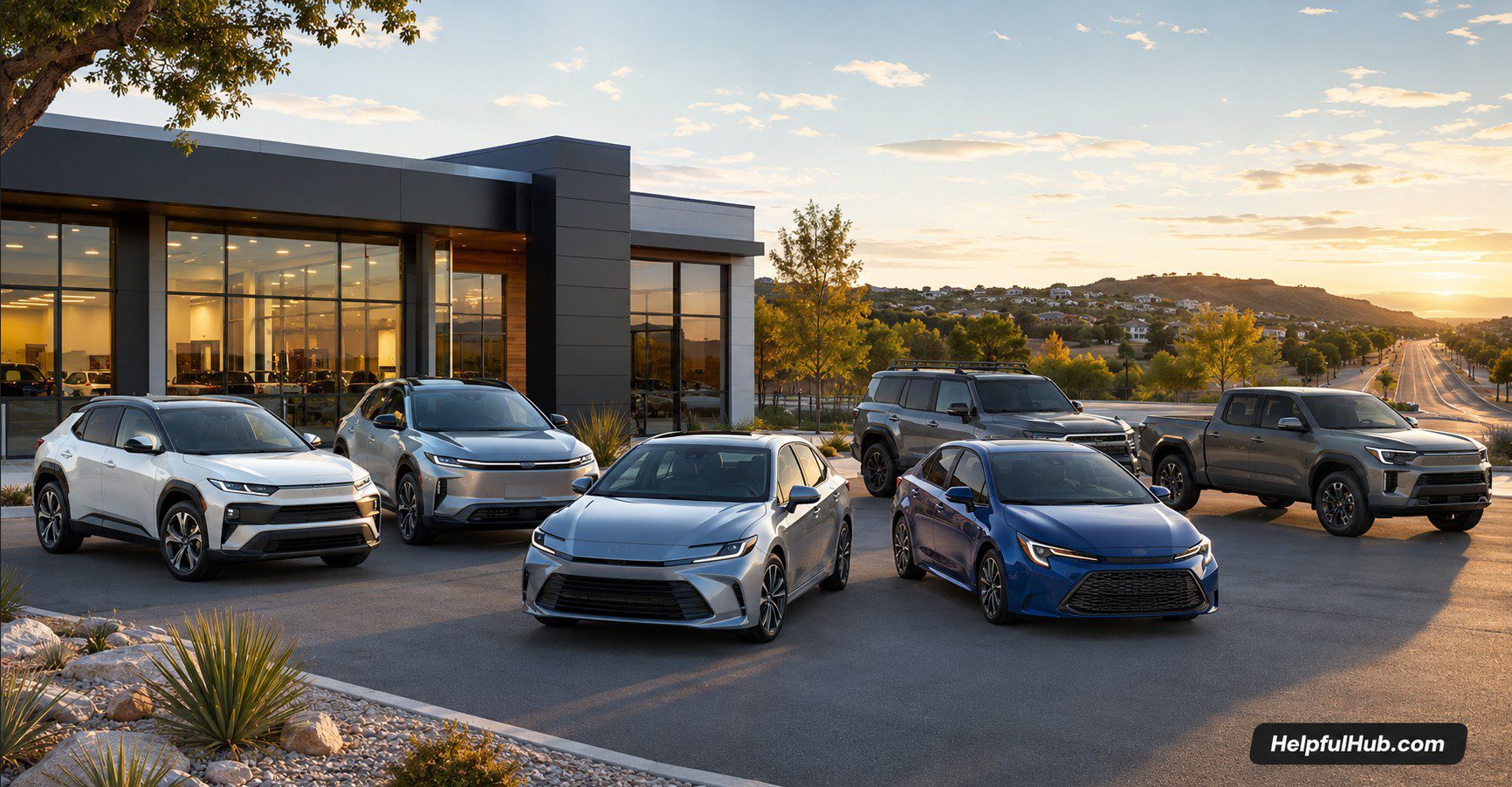
2026 Toyota Models USA: RAV4, C-HR EV, bZ Woodland, Camry, Corolla, 4Runner and Tacoma Buyer Guide
This guide explains the key 2026 Toyota vehicles that matter most to American shoppers. It covers the RAV4 Hybrid and Plug-in Hybrid, C-HR EV, bZ Woodland, Highlander electrification outlook, Camry Hybrid, Corolla and Corolla Hybrid, 4Runner, and Tacoma i-FORCE MAX. It also explains ownership cost, fuel economy, charging, insurance, financing, maintenance, resale value, and daily driving practicality.
Quick Answer: Which 2026 Toyota Should US Buyers Watch?
The most important 2026 Toyota models USA shoppers should watch are the redesigned RAV4, the Camry Hybrid, the Corolla Hybrid, the 4Runner, the Tacoma i-FORCE MAX, and Toyota’s growing electric SUV family. The RAV4 remains the key compact SUV for families and commuters, especially because Toyota offers hybrid and plug-in hybrid choices. The Camry now focuses on hybrid efficiency for sedan buyers. The Corolla Hybrid stays attractive for budget-minded drivers who want low fuel use and simple ownership. The 4Runner targets off-road buyers who want rugged capability, while the Tacoma i-FORCE MAX gives truck shoppers hybrid torque and trail-ready trims. For EV buyers, the bZ Woodland adds adventure-focused electric SUV appeal. The C-HR EV and future three-row Toyota EV plans show where Toyota’s future transportation strategy may go next, but buyers should verify final US availability, pricing, trims, incentives, and delivery timing with local dealers.
2026 Toyota Models USA Overview
Toyota’s 2026 US lineup is not just a normal model-year update. It shows a clear shift toward hybrid vehicles, plug-in hybrid options, electric SUVs, rugged adventure trims, and smarter everyday technology. That matters because American car buyers now shop with more questions than ever.
A family may want a fuel-efficient SUV for school runs and road trips. A commuter may want a sedan with strong MPG and lower maintenance stress. A truck buyer may need towing confidence, weekend adventure capability, and useful torque. An EV shopper may care about range, charging access, state incentives, and home charging costs.
The phrase 2026 Toyota models USA covers a wide group of vehicles. Some are already established household names, such as Camry, Corolla, RAV4, Tacoma, and 4Runner. Others, such as the bZ Woodland and C-HR EV, represent Toyota’s next move in electric mobility. Meanwhile, the Highlander electrification story matters because many US families want a three-row SUV with lower fuel cost.
For buyers, the main point is simple. Toyota is trying to cover both traditional ownership needs and future transportation trends. You can still shop a practical sedan or rugged SUV. However, you will also see more electrified powertrains, larger screens, driver assistance features, and trim packages aimed at specific lifestyles.
This guide does not treat every model as perfect. Each Toyota has strengths and drawbacks. A plug-in hybrid may save fuel, but only if you charge it often. A rugged SUV may hold resale value, but it can cost more to insure and fuel. An EV may deliver quiet driving, yet charging access still varies by state, home setup, and road trip route.
Why Toyota’s 2026 Lineup Matters Now
The 2026 Toyota lineup matters because US car buying has changed. Many shoppers no longer ask only about horsepower or monthly payment. They also ask about fuel economy, battery range, insurance rates, maintenance cost, infotainment quality, resale value, and whether a vehicle will still feel modern after five years.
Hybrid demand remains strong because hybrids fit the daily life of many American drivers. They do not require public charging. They can work well for apartment dwellers, long-distance commuters, and families that take spontaneous road trips. Toyota has years of hybrid experience, so many shoppers see the brand as a safe place to start.
Plug-in hybrids add another layer. A PHEV can cover many short errands using electric driving, while still keeping a gasoline engine for longer trips. That balance appeals to buyers who are curious about EVs but not ready to depend fully on charging infrastructure.
Electric vehicles remain important as charging networks grow and more models gain access to modern charging standards. However, EV ownership still depends on your lifestyle. A homeowner with a garage charger may have a very different experience than a renter who relies on public charging.
Rugged SUVs and trucks also remain a major part of the US market. The 4Runner and Tacoma show that Toyota still takes adventure shoppers seriously. Off-road trims, hybrid torque, larger tires, trail technology, and towing tools all speak to buyers who use vehicles for more than commuting.
As a result, the 2026 Toyota models USA lineup gives shoppers several paths. You can choose efficiency, capability, electric driving, family comfort, low cost, or a mix of those priorities.
Quick Buyer Comparison Table
Before looking at each model, it helps to compare the lineup by buyer type. Exact pricing, availability, incentives, and dealer inventory can vary by location, trim, fees, and timing. Use this table as a practical shopping guide, not as a final window sticker.
2026 Toyota Models USA: Practical Buyer Snapshot
| Model | Vehicle Type | Best For | Powertrain Focus | Buyer Watch Point |
|---|---|---|---|---|
| 2026 Toyota RAV4 | Compact SUV | Families, commuters, small SUV shoppers | Hybrid and Plug-in Hybrid | PHEV pricing and availability may vary by timing and region |
| 2026 Toyota C-HR EV | Compact electric crossover | Urban EV shoppers and style-focused drivers | Electric vehicle | Confirm final US availability, range, trims, and delivery plans |
| 2026 Toyota bZ Woodland | Electric SUV | EV buyers who want more rugged styling and utility | Battery electric | Charging access and real-world range depend on conditions |
| Toyota Highlander EV outlook | Three-row SUV future product area | Families waiting for a three-row Toyota EV | Expected electric future direction | Confirm final model-year timing before planning a purchase |
| 2026 Toyota Camry Hybrid | Midsize sedan | Commuters, families, sedan buyers | Hybrid | AWD and trim choice can affect price and fuel economy |
| 2026 Toyota Corolla | Compact sedan | Budget buyers, students, commuters | Gas and Hybrid | Feature content differs by trim |
| 2026 Toyota 4Runner | Midsize SUV | Off-road drivers and adventure families | Gas and available hybrid depending on trim | Fuel cost and insurance may be higher than compact SUVs |
| 2026 Toyota Tacoma i-FORCE MAX | Midsize pickup truck | Truck buyers, outdoors, towing, work and lifestyle use | Hybrid truck powertrain | Capability packages can raise ownership cost |
2026 Toyota RAV4 Hybrid and Plug-in Hybrid
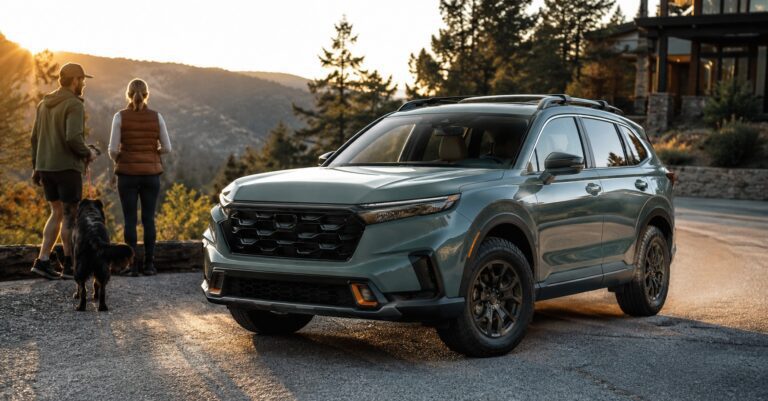
The 2026 Toyota RAV4 is one of the most important vehicles in the 2026 Toyota models USA conversation. The RAV4 has long been a top choice for compact SUV shoppers because it fits everyday American life. It is easy to park, family-friendly, efficient, and practical for commuting, errands, school drop-off, and weekend road trips.
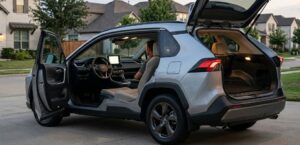
For 2026, the RAV4 becomes even more important because Toyota moves the lineup toward electrified powertrains. The 2026 Toyota RAV4 hybrid buyer guide for US drivers should start with a simple question: do you want a regular hybrid or a plug-in hybrid? A regular RAV4 Hybrid makes sense for most buyers who want better fuel economy without changing their driving habits.
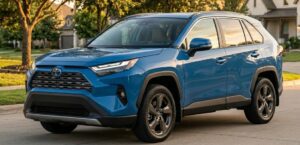
The RAV4 Plug-in Hybrid works better for drivers who can charge at home or work. It can reduce gasoline use during short trips. However, the value depends on how often you plug in, local electricity rates, available incentives, and purchase price. If you never charge it, you may not get the full benefit.
For US families, the RAV4’s biggest strength remains balance. It is not as large as a Highlander. Still, it gives many households the right mix of seating, cargo room, fuel economy, visibility, and resale confidence.
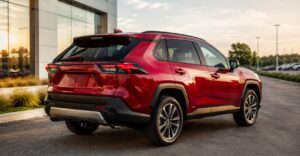
RAV4 Hybrid vs RAV4 Plug-in Hybrid: Which Makes More Sense?
| Buyer Need | RAV4 Hybrid | RAV4 Plug-in Hybrid |
|---|---|---|
| Daily commuting | Strong choice with no charging required | Excellent if you charge often |
| Apartment living | Usually easier to own | Depends on public or workplace charging |
| Fuel savings | Consistent hybrid efficiency | Can reduce gas use more on short trips |
| Road trips | Simple gasoline refueling | Flexible because it still has a gas engine |
| Upfront cost | Usually lower than PHEV | Often higher, but incentives may help |
| Best fit | Most families and commuters | Drivers with easy charging access |
Technology also matters. Modern RAV4 shoppers expect wireless smartphone integration, a clear infotainment screen, helpful driver assistance features, and enough USB access for family use. When comparing trims, do not focus only on exterior style. Look at seat comfort, screen size, audio, driver display, cargo features, parking aids, and climate controls.
Safety features are another major buying point. Toyota usually emphasizes driver assistance systems across its mainstream lineup. Still, shoppers should compare exact trim equipment. Blind spot monitoring, rear cross-traffic alert, parking support, adaptive cruise control, lane assistance, and automatic emergency braking can affect daily confidence.
Insurance costs can vary. A RAV4 Hybrid may cost less to insure than a high-performance SUV, but rates depend on your ZIP code, age, driving record, coverage level, repair costs, and trim. A plug-in hybrid may also have different repair considerations because of battery and electrical components. Always get insurance quotes before signing.
Resale value is a major reason buyers consider Toyota. The RAV4 name has strong recognition in the used car market. Hybrid demand can also help long-term value, especially when fuel prices rise. However, resale depends on mileage, accident history, maintenance records, battery condition, color, trim, and regional demand.
Overall, the RAV4 may be the safest starting point for many buyers comparing 2026 Toyota models USA price and release date details. It fits the broadest group of US shoppers and gives a practical bridge between gasoline ownership and electric driving.
2026 Toyota C-HR EV Buyer Guide
The 2026 Toyota C-HR EV range price and features topic attracts shoppers who want a smaller electric crossover with a more stylish personality. The C-HR name has always leaned toward design and city-friendly size. In EV form, it could appeal to drivers who want an electric vehicle that feels easier to maneuver than a larger SUV.
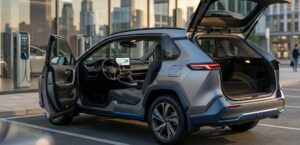
However, US buyers should be careful with this model. Before building a budget around a 2026 Toyota C-HR EV, confirm final US-market availability, trim structure, range rating, charging speed, warranty terms, and dealer delivery plans. Automotive news and global product announcements can sometimes create confusion when a model appears in one market before another.
For a buyer, the C-HR EV idea makes sense if you drive mostly in urban or suburban areas. A compact EV can be great for commuting, errands, parking garages, and short daily trips. It may also work well as a second household vehicle if another car handles long road trips.
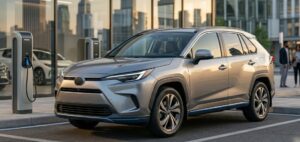
The main ownership question is charging. If you have home charging, a compact EV can feel very convenient. You start most mornings with a useful battery level and avoid gas stations. If you rely on public chargers, your experience depends on local charger reliability, pricing, access, and waiting time.
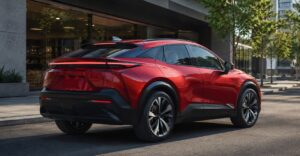
C-HR EV Shopping Questions for US Buyers
| Question | Why It Matters | What to Check |
|---|---|---|
| Is it officially available in my state? | EV rollouts can vary by region | Dealer allocation and Toyota US updates |
| What is the official range rating? | Range affects daily use and road trips | EPA rating when available |
| What charging port does it use? | Charging network access matters | Home and public charger compatibility |
| What incentives apply? | Final cost may change | Federal, state, utility, and lease offers |
| How much cargo space is available? | Small crossovers vary widely | Test with strollers, luggage, or gear |
| What is insurance like? | EV repair costs can affect premiums | Get quotes before purchase |
Families should test rear-seat access before buying. Stylish compact crossovers can have smaller rear doors, lower rooflines, or tighter cargo areas. That may not matter for a single driver, but it can matter for child seats, pets, groceries, or airport luggage.
Used car value is another unknown for new EV entries. Toyota’s brand strength helps, but resale for compact EVs depends on range, battery health, charging standard, incentives, and market demand. If you plan to keep the vehicle for only three years, compare lease options carefully.
The C-HR EV could become an interesting choice for drivers who want future transportation without moving into a large SUV. Still, it should be treated as a verify-before-you-buy model until Toyota confirms all US details.
2026 Toyota bZ Woodland Electric SUV
The 2026 Toyota bZ Woodland electric SUV release date USA topic matters because many EV shoppers want more than a basic commuter car. They want electric driving with SUV utility, outdoor style, and enough confidence for weekend trips. The bZ Woodland aims at that space.
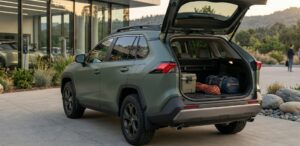
Compared with a compact city EV, the bZ Woodland should appeal to buyers who want a more adventurous electric SUV image. It is not a replacement for every off-road vehicle. Still, its rugged positioning may attract shoppers who like hiking, camping, snow-season driving, outdoor gear, and active family weekends.
For EV buyers, range and charging are more important than styling alone. Real-world EV range changes with speed, temperature, elevation, tire choice, cargo load, and climate control use. Highway driving at higher speeds often uses more energy than slower city driving. Cold weather can also reduce range, especially in northern states.
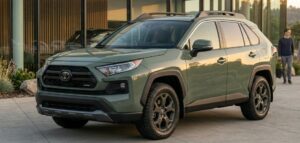
Charging access should shape your buying decision. Home Level 2 charging usually gives the best day-to-day EV experience. Public DC fast charging helps on trips, but it should not be your only plan unless your local network is strong and reliable.
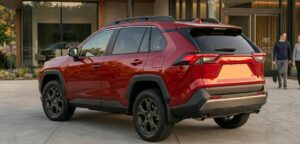
bZ Woodland EV Ownership Factors
| Ownership Area | Why It Matters | Buyer Advice |
|---|---|---|
| Home charging | Improves convenience and lowers stress | Get an electrician estimate before purchase |
| Public charging | Important for road trips and renters | Check chargers on your regular routes |
| Range | Determines daily comfort margin | Plan for weather, highway speed, and cargo |
| Tires | Rugged tires may affect efficiency | Compare ride comfort and replacement cost |
| Insurance | EV repair costs can vary | Quote multiple insurers before buying |
| Resale | EV market values can shift | Consider leasing if long-term value worries you |
Interior usability also matters. An electric SUV should offer comfortable seats, useful cargo room, easy controls, and good visibility. Large screens look impressive, but simple climate controls and clear menus often matter more during daily driving.
Maintenance can be simpler than a gas vehicle in some areas because EVs do not need oil changes. However, owners still pay for tires, brakes, cabin air filters, coolant service where applicable, alignment, wipers, and inspections. EV tires can cost more if the vehicle uses special low-rolling-resistance or load-rated tires.
State incentives may help, but they change often. Some incentives apply to purchases. Others apply to leases, home chargers, utility programs, or off-peak charging plans. Do not assume a discount until you confirm current rules for your state, income, vehicle, dealer, and tax situation.
The bZ Woodland is one of the most interesting 2026 Toyota models USA options for buyers who want an electric SUV with a more rugged mood. It works best for drivers who can charge at home and understand the limits of EV road-trip planning.
Toyota Highlander EV and Three-Row Electric SUV Outlook
The phrase 2026 Toyota Highlander EV three row SUV coming to America needs careful handling. Many families want a Toyota three-row electric SUV because the Highlander name already has strong family credibility. However, shoppers should verify the exact model name, model year, timing, and US availability before assuming a 2026 Highlander BEV will be on sale.
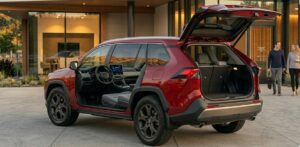
For now, the practical buyer story is larger than one nameplate. Toyota knows that American families want three-row vehicles with better efficiency. The Highlander Hybrid already serves many shoppers who want seating for kids, cargo flexibility, road-trip comfort, and lower fuel use than many traditional SUVs.
A future three-row Toyota EV would need to solve several real-world problems. It would need enough range for family travel, enough charging speed for road trips, useful cargo room behind the third row, strong cabin comfort, and competitive pricing. It would also need to handle school schedules, sports equipment, highway vacations, and winter driving.
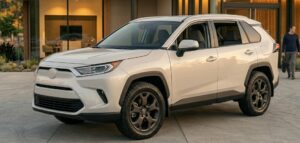
Three-row EVs face a special challenge because larger vehicles use more energy. More passengers, luggage, roof boxes, highway speeds, and cold weather can reduce range. That does not mean a three-row EV is a bad idea. It means buyers should compare real driving needs against official ratings and charging access.
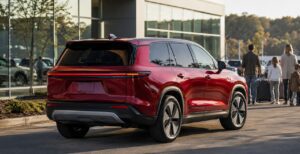
Highlander Hybrid Today vs Future Toyota Three-Row EV
| Buyer Priority | Highlander Hybrid Type Vehicle | Future Three-Row Toyota EV Type Vehicle |
|---|---|---|
| Road-trip simplicity | Easy fuel stops | Requires charging planning |
| Daily fuel cost | Good for a three-row SUV | Can be lower with home charging |
| Apartment ownership | Usually easier | Depends on charging access |
| Family seating | Known family layout | Must be tested when available |
| Long-term tech | Proven hybrid approach | More future-focused |
| Best buyer | Families needing a vehicle soon | Families who can wait and charge at home |
If you need a three-row Toyota now, shop the Highlander Hybrid or consider other Toyota family vehicles based on your seating and cargo needs. If you can wait, follow Toyota’s electric SUV announcements and compare them with actual dealer inventory, not just early headlines.
Insurance and financing also matter for three-row vehicles. Larger SUVs often cost more to insure than compact sedans. EVs may add higher repair-cost concerns. On the other hand, fuel savings and incentives can offset some costs depending on your use case.
The best advice is simple. Do not buy based only on the phrase Highlander EV. Buy based on confirmed specifications, family fit, charging plan, total ownership cost, and your timeline.
2026 Toyota Camry Hybrid
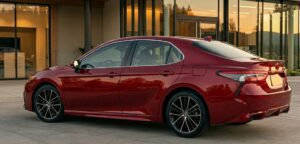
The 2026 Toyota Camry Hybrid MPG price and interior features topic matters because the Camry remains one of the most recognized sedans in America. Even as SUVs dominate many dealership lots, the Camry still makes sense for drivers who want comfort, fuel efficiency, reliability reputation, and lower daily ownership stress.

The 2026 Camry is especially relevant because Toyota has leaned into hybrid power for the Camry lineup. That gives sedan shoppers a clear value message. You can get a practical midsize family vehicle with strong fuel economy potential, without needing to plug in.
For commuters, the Camry Hybrid can be a smart alternative to a compact SUV. It usually offers a smoother ride, better aerodynamics, strong fuel economy, and a comfortable cabin for highway miles. It also gives families a large trunk and easy daily drivability.
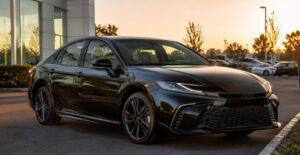
Interior features matter because the Camry often serves as a long-term daily driver. Look for seat comfort, rear legroom, infotainment response, smartphone integration, climate controls, driver display design, and visibility. A sporty trim may look better, but a comfort-focused trim may feel better after years of commuting.
All-wheel drive availability can appeal to drivers in states with snow, rain, and steep roads. However, AWD can affect price, weight, and fuel economy. Buyers should decide whether AWD is truly needed or whether good tires and front-wheel drive are enough for their climate.
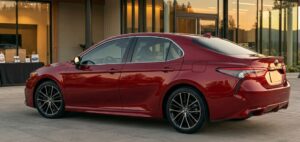
Camry Hybrid Buyer Priorities
| Priority | Why It Matters | Smart Shopping Tip |
|---|---|---|
| Fuel economy | Reduces commuting cost | Compare trims and drivetrain choices |
| Ride comfort | Important for highway drivers | Test drive on rough roads if possible |
| Interior tech | Affects daily satisfaction | Check screen size, phone pairing, and controls |
| Insurance | Sedan rates can vary by trim and driver | Quote before choosing sportier trims |
| Resale value | Matters for long-term cost | Keep service records and avoid overpaying |
| Family use | Rear seat and trunk matter | Test child seats and luggage space |
Maintenance is another Camry strength. Hybrids still need routine service, but Toyota’s hybrid experience can give buyers confidence. Plan for oil changes, tire rotations, brake inspections, cabin filters, fluids, and eventually tires and 12-volt battery replacement. Hybrid battery coverage and warranty details should be reviewed before purchase.
The Camry Hybrid may not offer the high seating position of an SUV. It also may not fit buyers who need large cargo space or towing ability. However, for daily commuting, family errands, and efficient highway travel, it remains one of the most logical choices in the 2026 Toyota models USA lineup.
2026 Toyota Corolla and Corolla Hybrid
The 2026 Toyota Corolla Hybrid affordable car buyer guide starts with value. Many US shoppers want a new car with lower fuel cost, manageable insurance, good safety technology, and a brand known for durability. The Corolla and Corolla Hybrid fit that mission well.
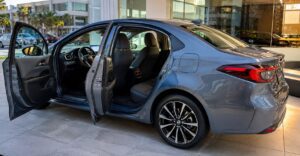
The Corolla is not a luxury vehicle. It is not a performance car. It is not a large family SUV. Its strength is everyday practicality. It works for students, first-time buyers, rideshare-style commuters, small families, retirees, and anyone who wants simple transportation with modern features.
The Corolla Hybrid is especially appealing when gas prices rise. It can reduce fuel stops and commuting costs, while still avoiding the charging needs of an EV. For buyers without a garage, that matters a lot.
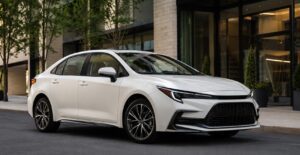
Feature content varies by trim. A base trim may keep the price lower, while a higher trim can add better screens, nicer materials, improved audio, digital displays, heated seats, or extra driver assistance features. The right choice depends on how long you plan to keep the car.
If you plan to own the vehicle for eight to ten years, paying slightly more for comfort and safety features may make sense. If you want the lowest payment, a simpler trim may be better. The key is not to let a dealership upsell features you will never use.
Corolla vs Corolla Hybrid: Practical Difference
| Category | Corolla Gas | Corolla Hybrid |
|---|---|---|
| Best for | Low starting cost shoppers | High-mileage commuters |
| Fuel cost | Good for a compact car | Usually better in mixed driving |
| Driving feel | Simple and familiar | Smooth at low speeds |
| Maintenance | Conventional routine service | Hybrid system adds complexity but may reduce brake wear |
| Insurance | Often budget-friendly | May vary slightly by trim and repair cost |
| Resale | Strong compact-car recognition | Can benefit from hybrid demand |
Insurance should still be checked. Young drivers, urban ZIP codes, full coverage, and financing requirements can raise premiums. A Corolla may be affordable to buy, but the monthly ownership cost includes insurance, fuel, maintenance, registration, taxes, and finance charges.
For used car shoppers, the 2026 Corolla may also affect older Corolla values. When a new model year arrives, some buyers compare new financing offers against lightly used prices. If the monthly difference is small, a new Corolla with warranty coverage may be more attractive.
Overall, the Corolla and Corolla Hybrid are not flashy. That is the point. They offer practical car buying logic for drivers who want a dependable compact sedan and fewer surprises.
2026 Toyota 4Runner
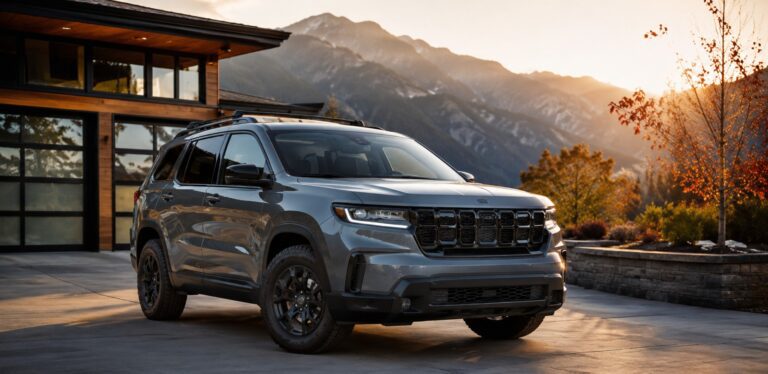
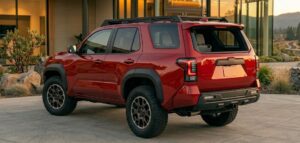
The 2026 Toyota 4Runner is for a very different buyer than the Corolla or Camry. It targets drivers who want SUV capability, off-road credibility, rugged design, and adventure-ready trims. For many shoppers, the 4Runner is not just transportation. It is a lifestyle vehicle.

That lifestyle comes with trade-offs. A 4Runner may cost more to buy, fuel, insure, and modify than a compact SUV. Tires may be larger and more expensive. Off-road accessories can raise costs quickly. Fuel economy may not match smaller crossovers. Parking can also feel more difficult in tight city areas.
However, the 4Runner’s appeal is strong because it offers a sense of toughness that many modern crossovers do not. Buyers who camp, explore trails, drive in rough weather, or want a long-term adventure SUV may find the trade-off worthwhile.
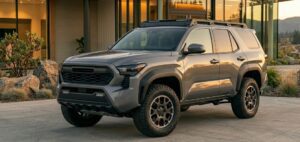
Trim choice matters more than many shoppers realize. Some trims focus on comfort and daily driving. Others focus on trail hardware, tires, suspension, underbody protection, and off-road technology. The best trim is not always the most expensive one. It is the one that matches your real use.
4Runner Buyer Use Cases
| Use Case | Good Fit? | What to Consider |
|---|---|---|
| Daily city commute | Possible, but not ideal for everyone | Parking, fuel cost, and ride comfort |
| Family road trips | Good for adventure families | Cargo needs, rear-seat comfort, fuel stops |
| Off-road trails | Strong fit with the right trim | Tires, suspension, recovery gear, training |
| Snow and rough weather | Can be useful | Correct tires still matter |
| Long-term resale | Often a major appeal | Condition and maintenance records are critical |
| Low-cost ownership | Not the strongest choice | Compare insurance, fuel, and tire costs |
Safety and driver assistance features should not be ignored. Rugged SUVs can feel secure because of their size, but modern safety depends on visibility, braking, driver assistance, tire condition, and responsible driving. Review the exact features on the trim you plan to buy.
Financing can be another challenge. High-demand trims may carry fewer discounts. Dealers may add accessories, protection packages, or market adjustments in some areas. Always compare the out-the-door price, not just the monthly payment.
For the right buyer, the 4Runner may be one of the most exciting 2026 Toyota models USA choices. For the wrong buyer, it may be more vehicle than needed. Be honest about how often you will actually go off-road.
2026 Toyota Tacoma i-FORCE MAX
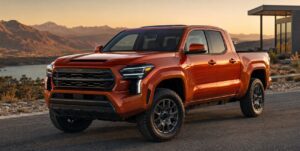
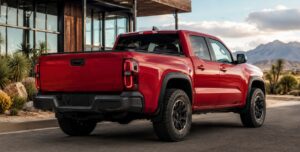
The 2026 Toyota Tacoma i-FORCE MAX hybrid truck review USA topic matters because midsize truck buyers want capability without moving into a full-size pickup. The Tacoma has a strong reputation in the US, especially among outdoor drivers, contractors, weekend adventurers, and buyers who want a truck that feels manageable in daily life.
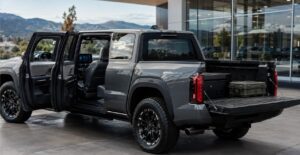
The i-FORCE MAX hybrid system adds a key benefit: torque. In truck ownership, torque matters for acceleration, climbing, loaded driving, towing, and trail use. A hybrid truck is not just about fuel economy. It can also improve low-end response and confidence when the vehicle works harder.
Still, buyers should not assume every Tacoma hybrid is the same. Trims, cab styles, bed lengths, packages, tires, suspension, towing equipment, and off-road hardware can change the ownership experience. A Trailhunter-style build may feel very different from a comfort-focused Limited trim.
If you tow, check official towing ratings for the exact configuration. Do not rely on general marketing language. Trailer weight, tongue weight, passengers, cargo, elevation, weather, and accessories all affect safe towing. Also consider trailer brake controllers, mirrors, cameras, payload, and cooling.
Tacoma i-FORCE MAX Buyer Checklist
| Shopping Area | Why It Matters | Buyer Action |
|---|---|---|
| Trim | Changes capability and price | Compare equipment before visiting dealer |
| Cab and bed | Affects passenger and cargo use | Measure your garage and gear |
| Towing | Ratings depend on configuration | Check exact truck sticker and manual |
| Payload | Easy to exceed with people and gear | Calculate real load needs |
| Tires | Affects noise, MPG, and off-road grip | Test drive at highway speed |
| Insurance | Trucks can vary by trim and use | Get commercial and personal quotes if needed |
Maintenance cost can be higher than a compact car. Trucks often use larger tires, stronger brakes, and more expensive accessories. Off-road use can add alignment checks, tire damage, underbody inspections, and more frequent cleaning.
Resale value has historically been a Tacoma strength. However, resale still depends on condition, mileage, accident history, rust, modifications, and demand. Poorly installed lift kits or aggressive modifications can hurt value. Keep factory parts and service records if resale matters.
The Tacoma i-FORCE MAX is a strong choice for buyers who need a truck and understand truck ownership costs. It is less ideal for someone who only likes the look but rarely uses the bed, towing ability, or capability.
Ownership Cost, Maintenance and Insurance
The purchase price is only one part of the cost of owning any 2026 Toyota. A smart buyer also looks at fuel, electricity, insurance, maintenance, repairs, tires, registration, taxes, financing, depreciation, and parking. That is especially important when comparing a sedan, hybrid SUV, EV, off-road SUV, and truck.
Fuel economy can make a big difference for commuters. A hybrid Camry, Corolla Hybrid, or RAV4 Hybrid may save money for drivers who cover many miles each year. A plug-in hybrid may save even more if you charge regularly and keep many trips within electric driving range. An EV may reduce fuel cost if home electricity rates are reasonable.
Maintenance differs by powertrain. Gas vehicles need conventional service. Hybrids add battery and electric motor components, but they can also reduce brake wear because of regenerative braking. EVs skip oil changes, but tires can wear faster depending on weight, torque, driving style, and alignment.
Insurance is personal. Two buyers can get very different quotes for the same Toyota. Insurers consider ZIP code, age, gender where allowed, credit-based insurance score where allowed, driving history, mileage, coverage level, deductible, vehicle value, repair cost, theft risk, and claims data.
Ownership Cost Factors by Vehicle Type
| Vehicle Type | Cost Strength | Cost Watch Point | Best Buyer Habit |
|---|---|---|---|
| Compact sedan | Lower fuel and tire costs | Smaller cabin and cargo space | Keep maintenance records |
| Hybrid sedan | Excellent commuting efficiency | Trim upgrades can raise price | Compare insurance before choosing trim |
| Hybrid SUV | Balanced family utility and MPG | Popular trims may have limited discounts | Shop several dealers |
| Plug-in hybrid SUV | Can reduce gasoline use | Value depends on charging access | Install or plan charging first |
| Electric SUV | Lower home energy cost potential | Charging and tire costs | Map real routes before buying |
| Off-road SUV | Capability and resale appeal | Fuel, tires, insurance, accessories | Buy the trim you need, not the image |
| Hybrid truck | Torque and utility | Payload, towing gear, tire cost | Check exact configuration ratings |
Depreciation also deserves attention. Toyota vehicles often have strong used car demand, but no vehicle avoids depreciation entirely. EV values can be more sensitive to incentives, battery technology, and charging standards. Trucks and off-road SUVs may hold value well when kept close to stock and maintained properly.
A good ownership plan starts before purchase. Build a monthly budget that includes payment, insurance, fuel or charging, maintenance savings, registration, and emergency repairs. If the total feels tight, choose a lower trim or consider a certified used Toyota instead.
Financing, Leasing and Dealership Tips
Dealership shopping can make or break the experience. Many buyers focus on the vehicle and forget the deal structure. That can lead to overpaying through add-ons, high interest rates, long loan terms, or confusing lease terms.
Before visiting a dealership, check your credit, get preapproved through a bank or credit union, and research realistic prices in your area. A preapproval gives you leverage. It also helps you compare dealer financing with an outside offer.
For high-demand 2026 Toyota models USA vehicles, inventory may vary. Some dealers may have more Camry or Corolla availability than RAV4 PHEV, bZ Woodland, 4Runner, or Tacoma hybrid trims. If one dealer has limited stock, contact several dealers within a reasonable driving distance.
Leasing can make sense for EVs and plug-in hybrids if you worry about resale value, battery technology changes, or incentive structure. However, leasing is not automatically cheaper. Check mileage limits, due-at-signing amount, money factor, residual value, disposition fee, and excess wear rules.
Financing can be better if you drive many miles, keep vehicles long term, or want ownership flexibility. However, avoid stretching the loan too far just to lower the monthly payment. A long loan can create negative equity if the vehicle depreciates faster than you pay it down.
Dealer Shopping Tips for 2026 Toyota Buyers
| Step | Why It Helps | What to Do |
|---|---|---|
| Get preapproved | Improves negotiating power | Compare bank, credit union, and dealer offers |
| Ask for out-the-door price | Shows taxes, fees, and add-ons | Do not negotiate only monthly payment |
| Check insurance first | Prevents budget surprises | Quote exact trim and VIN if possible |
| Compare trims | Avoids paying for unused features | Make a must-have and nice-to-have list |
| Test real use | Reveals comfort issues | Bring child seats, luggage, or gear |
| Review incentives | Can change final cost | Check current Toyota, state, and utility offers |
Do not rush the finance office. Add-ons such as extended warranties, tire protection, paint protection, prepaid maintenance, and gap coverage may be useful for some buyers, but not all. Ask for each item separately priced. You can decline anything that does not fit your plan.
Also check the delivery condition. Make sure the vehicle has the correct trim, options, keys, charging cable if applicable, floor mats if included, owner’s manual access, and no damage. Take photos before leaving the lot.
Common Buying Mistakes to Avoid
One common mistake is buying too much vehicle. A 4Runner or Tacoma may look exciting, but a Camry Hybrid or RAV4 Hybrid may fit daily life better. Do not let image overpower actual use.
Another mistake is ignoring charging access. A plug-in hybrid or EV can be excellent with the right charging plan. Without one, ownership may become frustrating. Check home charging, workplace charging, nearby public chargers, and road trip routes before choosing an electrified model.
Some shoppers also compare only MSRP. That is not enough. Compare out-the-door price, loan rate, insurance, fuel or electricity cost, maintenance, tires, and depreciation. The cheapest sticker price is not always the lowest total ownership cost.
Many buyers skip the test drive details. Drive the vehicle on roads similar to your daily route. Test highway merging, parking, visibility, seat comfort, infotainment response, backup camera clarity, and cabin noise. A vehicle that feels good for five minutes may feel different after a long commute.
Another mistake is assuming all trims include the same safety features. Automakers often make some features standard and others optional. Review the exact window sticker and ask the dealer to explain driver assistance features before purchase.
Finally, avoid emotional buying during limited inventory. If a dealer pressures you with a same-day deadline, slow down. Good decisions require clear numbers and a vehicle that matches your needs.
Practical Expert Insight
The smartest way to shop the 2026 Toyota models USA lineup is to start with your lifestyle, not the model name. Toyota offers several strong vehicles, but each one solves a different problem. The bZ Woodland may appeal to active buyers, but an EV should fit your home, routes, weather, and budget. Do not buy an EV only because it feels modern. Buy it because the charging plan makes sense.
If you want adventure, the 4Runner and Tacoma i-FORCE MAX are more specialized. They can be excellent vehicles for outdoor lifestyles, but they carry higher ownership costs. Tires, insurance, accessories, fuel, and financing can add up.
My practical recommendation is to create three lists before shopping. First, list your non-negotiables, such as seating, cargo, AWD, budget, towing, or charging. Second, list features you want but can skip. Third, list deal breakers, such as poor rear-seat space, high insurance, no home charging, or limited local inventory.
This process keeps the buying decision grounded. It also prevents a common problem: choosing a vehicle that looks exciting online but does not fit daily life.
Future Trends for Toyota Buyers
Toyota’s future direction is clear. The brand is expanding electrification while keeping practical choices for mainstream buyers. That means hybrids will continue to matter, plug-in hybrids will serve as a bridge, and EVs will grow as charging improves.
Software and infotainment will also matter more. Buyers expect fast screens, wireless smartphone support, useful voice controls, over-the-air update potential, and clear driver displays. A vehicle’s technology experience can affect satisfaction as much as horsepower.
Driver assistance features will keep improving. Adaptive cruise control, lane support, blind spot monitoring, parking assistance, automatic emergency braking, and traffic sign recognition can reduce stress. However, drivers should treat these systems as assistance, not replacement for attention.
Battery technology and charging standards will influence EV resale. Vehicles with better charging access and useful range may hold stronger appeal. This matters for shoppers considering a bZ Woodland, C-HR EV, or future Toyota three-row electric SUV.
Hybrid trucks and SUVs will also become more normal. The Tacoma i-FORCE MAX shows how hybrid systems can support torque and capability, not just MPG. That idea may continue across the truck and SUV market.
For buyers, the best long-term strategy is flexibility. Choose a vehicle that fits today’s life but will not feel outdated too quickly. That may mean choosing a hybrid, a plug-in hybrid, or an EV depending on your home, budget, and driving pattern.
Frequently Asked Questions
What are the most important 2026 Toyota models USA shoppers should compare?
The most important models depend on your needs, but many US buyers should compare the RAV4 Hybrid, RAV4 Plug-in Hybrid, Camry Hybrid, Corolla Hybrid, 4Runner, Tacoma i-FORCE MAX, and bZ Woodland. The RAV4 fits many families and commuters. The Camry and Corolla focus on efficient daily driving. The 4Runner and Tacoma serve rugged SUV and truck shoppers. The bZ Woodland appeals to EV buyers who want SUV utility. Buyers interested in a C-HR EV or three-row Toyota EV should confirm final US availability and official details before planning a purchase.
Is the 2026 Toyota RAV4 Hybrid better than the Plug-in Hybrid?
The better choice depends on charging access. The RAV4 Hybrid is easier for most drivers because it does not need to be plugged in. It works well for commuters, families, renters, and road-trip drivers. The RAV4 Plug-in Hybrid can be better if you charge at home or work and make many short trips. It can reduce gasoline use, but the value depends on purchase price, electricity rates, incentives, and how often you plug in. If you cannot charge regularly, the regular hybrid may be the smarter and simpler choice.
Should I buy a 2026 Toyota EV or a hybrid?
Buy a Toyota EV if you have reliable charging, understand your range needs, and want electric driving. An EV can work very well for homeowners with Level 2 charging and predictable daily routes. A hybrid may be better if you rent, travel long distances often, live in an area with weak charging infrastructure, or want lower planning stress. A plug-in hybrid sits between both options. It gives some electric driving while keeping a gasoline engine for longer trips. The right answer depends on your home, commute, budget, climate, and travel habits.
Is the 2026 Toyota Camry Hybrid still worth buying when SUVs are popular?
Yes, the Camry Hybrid can still be a smart buy for many US drivers. SUVs offer cargo height and a higher seating position, but sedans can offer better efficiency, a smoother highway feel, and strong value. The Camry Hybrid works well for commuters, small families, and drivers who want a comfortable midsize vehicle without charging. It may not fit buyers who need large cargo space, towing, or rugged capability. However, for daily driving, highway travel, and long-term ownership, it remains a practical alternative to compact and midsize SUVs.
Is the 2026 Toyota 4Runner a good family SUV?
The 4Runner can work for adventure-focused families, but it is not the best family SUV for every household. It appeals to buyers who want rugged capability, off-road trims, strong style, and outdoor utility. However, it may cost more to fuel, insure, and maintain than a compact hybrid SUV. Families should test rear-seat space, cargo access, ride comfort, visibility, and parking ease before buying. If most driving involves school, commuting, and grocery runs, a RAV4 Hybrid or Highlander-style SUV may be more practical. If weekends involve trails and camping, the 4Runner makes more sense.
What should I know before buying a Tacoma i-FORCE MAX?
Before buying a Tacoma i-FORCE MAX, decide how you will use the truck. If you tow, haul, camp, or drive off-road, check exact ratings for the trim, cab, bed, tires, and package you choose. Do not rely on general truck marketing. Payload and towing limits depend on configuration. Also consider insurance, tire cost, fuel cost, accessories, and garage fit. The hybrid system can improve torque and response, but it does not make ownership free from truck costs. It is a strong choice for buyers who need real midsize truck capability.
How should I compare 2026 Toyota models USA price and release date details?
Compare official Toyota information, local dealer inventory, out-the-door pricing, finance offers, lease terms, and insurance quotes. Do not rely only on MSRP because taxes, delivery fees, dealer add-ons, registration, and interest can change the real cost. Release timing can also vary by model, trim, state, and dealer allocation. For EVs and plug-in hybrids, check incentives and charging equipment costs. For trucks and SUVs, compare package pricing and accessory costs. The best deal is not always the lowest monthly payment. It is the vehicle that fits your budget and use case.
Final Practical Checklist
Use this checklist before choosing from the 2026 Toyota models USA lineup.
- Set a realistic monthly budget that includes payment, insurance, fuel or charging, maintenance, and registration.
- Choose your vehicle type first: sedan, compact SUV, electric SUV, off-road SUV, or truck.
- Decide whether a gas, hybrid, plug-in hybrid, or EV powertrain fits your lifestyle.
- Confirm official pricing, release timing, trim details, and availability with local Toyota dealers.
- Get insurance quotes for the exact model and trim before signing paperwork.
- For EVs and plug-in hybrids, verify home, workplace, and public charging options.
- For trucks and SUVs, check towing, payload, tire cost, and accessory pricing.
- Test drive the vehicle on roads similar to your daily commute.
- Bring child seats, luggage, sports gear, or work equipment if space matters.
- Ask for the full out-the-door price, not just the monthly payment.
- Compare financing from a bank, credit union, and dealership.
- Review warranty coverage, maintenance schedule, and hybrid or battery coverage details.
- Avoid paying for add-ons that do not match your ownership plan.
- Think about resale value, but do not buy a vehicle only for resale.
- Choose the Toyota that fits your real life, not just the one that looks best online.