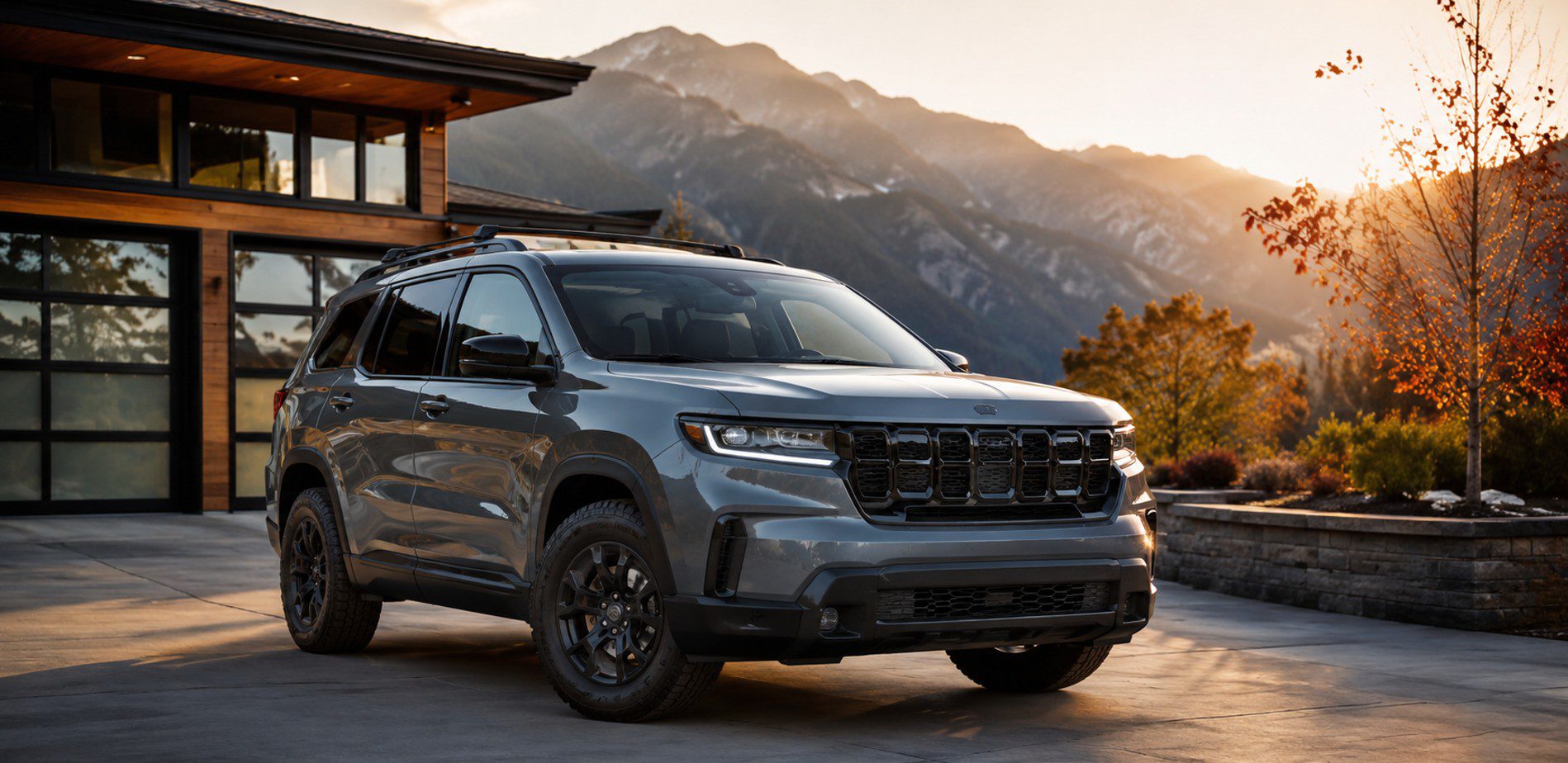
2026 Honda Passport: Release, Features, Price, and Buyer Guide
Quick Answer: Is the 2026 Honda Passport Worth Buying?
The 2026 Honda Passport is worth considering if you want a rugged two-row midsize SUV with strong everyday usability, standard all-wheel drive, V6 performance, and useful towing capacity. It is especially appealing for US buyers who want more space and confidence than a smaller SUV, but do not need a third row like the Honda Pilot. The TrailSport models add more adventure-focused hardware and styling, while the more road-focused trims make sense for commuting and family errands.
However, it may not be the best fit if your top priority is maximum fuel economy, EV range, charging access, or a hybrid vehicle option. Exact ownership cost, insurance cost, dealer pricing, wait time, and lease terms will vary by state, trim, credit profile, fuel prices, and dealership inventory. Overall, the Passport is best for buyers who value durability, space, towing, light off-road ability, and long-term practicality over ultra-low running costs.
What Is the 2026 Honda Passport?
The 2026 Honda Passport is a two-row midsize SUV built for buyers who want everyday comfort with more rugged capability than a basic commuter crossover. It sits below larger three-row SUVs in family seating, but above smaller compact SUVs in size, strength, and cargo flexibility.
For many US drivers, that makes the Passport a practical middle ground. It can work as a new car for a growing family, a road trip vehicle, a daily driver, or an outdoor lifestyle SUV. It is not an electric vehicle, and it is not positioned like a plug-in hybrid vehicle. Instead, it focuses on a gas V6, all-wheel-drive confidence, and traditional SUV usefulness.
2026 Honda Passport Buyer Snapshot
| Buyer Question | Practical Answer |
|---|---|
| Best for | Drivers who want a rugged two-row midsize SUV with space, towing ability, and all-weather confidence. |
| Not ideal for | Buyers who need three rows, maximum fuel economy, EV charging, or the lowest possible ownership cost. |
| Main strengths | Standard AWD, V6 power, cargo flexibility, towing capacity, TrailSport personality, and Honda resale reputation. |
| Main trade-offs | Fuel economy may trail smaller hybrid SUVs, and off-road trims may cost more to buy and insure. |
Why It Matters for US SUV Buyers
The US SUV market is crowded. Buyers can choose compact crossovers, three-row family SUVs, truck-based off-road models, hybrid vehicles, and electric vehicle options. The 2026 Honda Passport matters because it gives buyers a simpler choice: a roomy, rugged, two-row SUV without moving into a large truck or a full-size family hauler.
It also arrives during a time when shoppers are thinking carefully about monthly payments, fuel prices, auto insurance, maintenance cost, and resale value. A buyer may love a rugged SUV, but the real question is whether it fits daily life after the excitement of the test drive fades.
That is why a smart 2026 Honda Passport buying guide should focus on more than styling. The best decision depends on commute distance, road conditions, parking space, family needs, weekend use, dealership availability, financing offers, and long-term ownership cost.
Release Date and Dealership Availability
The 2026 Honda Passport is already part of Honda’s US lineup, but local dealership availability can vary. Inventory depends on region, trim, color, factory allocation, and demand for TrailSport models. Some dealers may have units available for test drives, while others may use incoming inventory lists, order requests, or reservation-style interest forms.
If you are searching for the 2026 Honda Passport release date USA, 2026 Honda Passport availability USA, or when will the 2026 Honda Passport arrive, the most practical answer is to check directly with nearby Honda dealers. Ask for incoming allocations, expected delivery windows, out-the-door pricing, and whether any dealer markup or mandatory accessory package applies.
Dealership Shopping Checklist
| What to Ask | Why It Matters |
|---|---|
| Is the vehicle on the lot or in transit? | This affects test drive timing, wait time, and negotiation leverage. |
| Is there a dealer markup? | High-demand trims may carry extra charges in some markets. |
| Are accessories mandatory? | Protection packages and add-ons can raise the final price. |
| Can I get an itemized out-the-door quote? | This helps compare taxes, fees, financing, and dealer costs clearly. |
| What is the estimated wait time? | Popular colors and TrailSport trims may take longer depending on region. |
Features, Interior, and Technology
The redesigned Passport focuses on a more modern cabin, practical storage, and easier daily use. For US families, that matters more than flashy features alone. A good SUV interior should handle backpacks, groceries, sports gear, pet supplies, work bags, and road trip luggage without becoming stressful.
Technology is also important. Buyers should look closely at infotainment usability, smartphone integration, driver assistance features, camera views, charging ports, audio options, and how easy the controls are while driving. A large screen is helpful only if menus are simple and climate controls are not distracting.
Because features vary by trim, do not assume every Passport has the same equipment. Review the trim comparison carefully before signing. Some comfort, towing, audio, camera, wheel, and TrailSport features may depend on the version you choose.
Feature Areas to Compare by Trim
| Feature Area | What Buyers Should Check |
|---|---|
| Interior comfort | Seat material, heated or ventilated seats, driver seat adjustment, rear passenger comfort, and cabin noise. |
| Infotainment | Screen size, smartphone support, navigation options, voice controls, and subscription-based services. |
| Driver assistance | Adaptive cruise, lane support, blind spot features, parking aids, and camera systems where available. |
| Cargo use | Rear cargo space, seat folding, hidden storage, tie-down points, and liftgate convenience. |
| Outdoor utility | Roof rails, towing equipment, all-terrain tires, skid plates, recovery points, and trail camera systems. |
2026 Honda Passport TrailSport Explained
The 2026 Honda Passport TrailSport is aimed at buyers who want a tougher look and more adventure-focused capability. It is not meant to replace a dedicated rock crawler, but it should appeal to drivers who visit campsites, gravel roads, muddy parking areas, snowy cabins, and trailheads.
TrailSport models usually matter most when the buyer will actually use the extra hardware. If most driving is on highways and suburban streets, a more road-focused trim may feel quieter, more efficient, and easier to justify. On the other hand, if you regularly carry outdoor gear or drive in rough weather, the TrailSport package can make the Passport feel more purposeful.
TrailSport vs Road-Focused Passport Use Cases
| Use Case | Better Fit | Reason |
|---|---|---|
| Daily commute and school runs | Road-focused trim | May be more sensible if off-road hardware is not needed. |
| Camping and gravel roads | TrailSport | Adventure-focused equipment can add confidence away from pavement. |
| Snowy states and rural roads | Either, depending on tires | AWD helps, but tires and driving style matter heavily. |
| Long highway road trips | Depends on comfort preference | Test drive both if road noise and ride feel matter to you. |
| Maximum value shopping | Compare actual transaction prices | Dealer inventory and incentives may change the best deal. |
Daily Driving, Towing, and Fuel Economy
The 2026 Honda Passport daily driving review should start with one key point: this SUV is built around traditional gas-powered strength, not hybrid efficiency. Its V6 engine and automatic transmission are designed for confident merging, road trips, mountain driving, and towing when properly equipped.
Honda lists a 5,000-pound towing capacity when properly equipped. That can work for small campers, utility trailers, personal watercraft, or light recreational towing. However, towing performance also depends on payload, passengers, cargo, hitch setup, trailer brakes, terrain, and weather.
Fuel economy varies by trim and tire setup. Road-focused versions are generally rated higher than more off-road-focused versions. If fuel cost is a major concern, compare the Passport against hybrid SUVs, smaller crossovers, and even future transportation options such as electric vehicles. Remember that EV range and charging access matter only if you are open to an electric vehicle lifestyle.
Driving and Ownership Factors
| Factor | What to Consider |
|---|---|
| Fuel economy | Expect trim and tire differences. Check the window sticker before buying. |
| Towing | Confirm equipment, hitch wiring, payload, and trailer setup with the dealer. |
| Ride comfort | Test drive on city streets and highways, not only near the dealership. |
| Parking | Make sure the size works for your garage, driveway, office lot, and school pickup lane. |
| Tires | All-terrain tires may improve rugged use but can affect road noise and replacement cost. |
Family Usability and Road Trip Comfort
The 2026 Honda Passport for families makes sense for households that need cargo room more than a third row. If you have two kids, pets, sports bags, and weekend luggage, a two-row midsize SUV can feel easier than a cramped compact crossover.
Parents should check rear-seat comfort, car seat access, door opening width, cargo height, and whether the rear climate and USB options meet daily needs. A vehicle can look perfect online, but the real test is how easily your family gets in, buckles up, loads cargo, and lives with it during a normal week.
For road trips, pay attention to seat comfort, storage spaces, cupholders, visibility, driver assistance systems, cabin noise, and cargo organization. A Passport that feels calm after three hours on the interstate may be worth more than a cheaper SUV that becomes tiring.
Ownership Cost, Insurance, and Resale Value
The 2026 Honda Passport ownership cost will depend on purchase price, financing rate, lease terms, fuel prices, insurance, maintenance, tires, registration, and depreciation. A higher trim may feel attractive, but the monthly payment can rise quickly once taxes, fees, accessories, and interest are included.
A 2026 Honda Passport insurance cost estimate will also vary by state, ZIP code, driver age, driving record, coverage level, deductible, credit-based insurance score where allowed, and annual mileage. Before buying, request quotes from multiple insurance companies using the exact trim and VIN when available.
The 2026 Honda Passport resale value outlook is helped by Honda’s broad reputation and SUV demand, but no resale value is guaranteed. Condition, mileage, accident history, maintenance records, fuel prices, local demand, and future used car market trends will all matter.
Estimated Ownership Cost Categories
| Cost Category | Buyer Notes |
|---|---|
| Purchase price | Varies by trim, options, destination charge, dealer fees, and market demand. |
| Financing | Depends on credit profile, loan term, down payment, and current offers. |
| Insurance | Compare quotes before purchase because rugged trims and higher values may cost more. |
| Fuel | Depends on mileage, driving style, local gas prices, towing, and tire setup. |
| Maintenance | Budget for oil changes, filters, brakes, tires, fluids, inspections, and scheduled service. |
| Depreciation | Resale value depends on mileage, condition, demand, and used car market changes. |
Financing, Lease, and Dealer Shopping Tips
A smart 2026 Honda Passport financing and lease guide begins before you enter the dealership. Check your credit, estimate your trade-in value, compare loan offers from banks or credit unions, and decide your maximum monthly payment based on total cost, not only the number shown on the sales desk.
Leasing may appeal if you like driving a new car every few years and do not want long-term ownership risk. However, mileage limits, wear charges, fees, and lease-end decisions matter. Financing may be better if you plan to keep the SUV for many years, drive a lot, or want to build equity.
Also compare local dealership inventory. If a dealer has several similar Passport models in stock, you may have more room to negotiate. If you want a specific TrailSport color or package with limited supply, your wait time and pricing flexibility may be different.
2026 Honda Passport Pros and Cons
No SUV is perfect. The 2026 Honda Passport review USA conversation should include both strengths and drawbacks. This helps buyers avoid emotional decisions based only on design, trim names, or online photos.
Pros and Cons for Real Buyers
| Pros | Cons |
|---|---|
| Strong V6 power for daily driving and road trips | Fuel economy may not match smaller hybrid SUVs |
| Standard AWD confidence for many US driving conditions | Higher trims can become expensive after fees and options |
| Useful towing capacity when properly equipped | No third row for larger families |
| TrailSport models add rugged personality | Adventure-focused tires may affect road noise and replacement cost |
| Practical cargo space and family-friendly layout | Not an EV or plug-in hybrid option for buyers focused on charging and range |
Practical Expert Insight
The best way to judge the 2026 Honda Passport is to decide how much rugged capability you will actually use. Many shoppers like the idea of an adventure SUV, but their real life is mostly commuting, grocery runs, school pickup, and highway travel. In that case, prioritize ride comfort, insurance cost, fuel economy, and payment.
However, if your weekends include camping, boat ramps, dirt roads, snow travel, or towing, the Passport becomes more compelling. The TrailSport version makes the most sense when its extra capability supports your real lifestyle. Do not pay for image alone. Pay for usefulness.
Also remember that the best Passport deal may not be the cheapest monthly payment. A longer loan can hide cost. Instead, compare out-the-door price, interest rate, loan term, expected fuel cost, insurance quote, maintenance needs, and resale value outlook together.
Common Buying Mistakes to Avoid
One common mistake is shopping by trim name only. A buyer may search for a 2026 Honda Passport order guide or 2026 Honda Passport reservation USA and choose the most rugged model without checking whether it fits daily driving needs.
Another mistake is ignoring total cost. Dealer markup, accessories, extended warranties, tire cost, insurance, fuel, and financing interest can make a vehicle more expensive than expected. Always compare the final purchase agreement, not just the advertised price.
Finally, do not skip the test drive. Drive the Passport on roads similar to your daily route. Check visibility, parking comfort, seat support, infotainment ease, acceleration, braking feel, and cabin noise. Bring your family if they will use the SUV often.
Future Trends and Long-Term Outlook
The automotive market is moving toward hybrid vehicle options, electric vehicle choices, better driver assistance, improved infotainment, and more efficient powertrains. Even traditional SUVs are being judged against EV range, charging access, and fuel economy expectations.
That does not make the Passport outdated. Instead, it gives the Passport a clear role. It is for buyers who still want a gas-powered, capable, two-row SUV with familiar ownership habits. There is no home charging setup to plan, no public charging route to study, and no EV range anxiety to manage.
Over the long term, the strongest Passport buyers will likely be those who keep vehicles for years, maintain them properly, and use the SUV’s space and capability often. If your needs may shift toward a plug-in hybrid or electric vehicle soon, compare carefully before committing.
FAQs About the 2026 Honda Passport
Is the 2026 Honda Passport a good family SUV?
Yes, the 2026 Honda Passport can be a good family SUV if you need two rows and generous cargo flexibility instead of a third row. It works well for school runs, grocery trips, weekend sports, pets, and family road trips. Parents should still test car seat access, rear-seat comfort, cargo loading height, and storage layout before buying. Larger families may prefer a three-row SUV, while smaller households may find the Passport easier to live with than a bigger family vehicle.
Does the 2026 Honda Passport have good fuel economy?
The Passport is more focused on V6 strength and all-wheel-drive capability than maximum fuel economy. Its official fuel economy depends on trim and configuration, so buyers should check the window sticker and compare it with their real driving habits. If you drive long distances every week or want the lowest fuel cost, compare the Passport with hybrid SUVs, smaller crossovers, and electric vehicle options. Fuel prices, tire type, towing, traffic, and driving style can all change real-world results.
Is the 2026 Honda Passport TrailSport worth it?
The TrailSport is worth considering if you will use its rugged features for camping, gravel roads, snow travel, trailheads, or outdoor activities. It gives the Passport a more adventure-ready personality and may add confidence in rougher conditions. However, if your driving is mostly city commuting and highway travel, a less rugged trim may be more practical. Before choosing TrailSport, compare ride comfort, road noise, tire cost, insurance quotes, and total payment against your real lifestyle.
How much will the 2026 Honda Passport cost to insure?
There is no single insurance price that applies to every buyer. A 2026 Honda Passport insurance cost estimate depends on your state, ZIP code, age, driving history, mileage, coverage limits, deductible, credit-based insurance score where allowed, and exact trim. Higher-value trims may cost more to insure. The smartest step is to get quotes from at least three insurers before buying. Use the exact trim and VIN if possible, because small equipment differences can affect the quote.
Should I finance or lease the 2026 Honda Passport?
Financing may make sense if you plan to keep the Passport for many years, drive high mileage, or want to build ownership equity. Leasing may work if you prefer a lower commitment, like changing vehicles often, and can stay within mileage and wear limits. Compare the full cost, not only the monthly payment. Look at down payment, interest rate or money factor, lease fees, mileage allowance, residual value, warranty coverage, and what happens at the end of the term.
Will the 2026 Honda Passport hold its resale value?
The 2026 Honda Passport resale value outlook is generally supported by Honda’s brand reputation and steady demand for practical SUVs. However, resale value is never guaranteed. Mileage, condition, service history, accident records, trim, color, local demand, fuel prices, and the broader used car market will all affect future value. To protect resale value, keep maintenance records, avoid unnecessary modifications, repair damage properly, and choose a trim that has broad appeal in your region.
Is the 2026 Honda Passport better than a used SUV?
It depends on your budget and priorities. A new Passport gives you the latest design, warranty coverage, current technology, and the ability to choose trim and color. A used car or used SUV may cost less upfront, but it can bring higher maintenance risk, older safety features, and unknown history. Compare total cost over several years, including financing, insurance, repairs, fuel, and resale value. A certified pre-owned SUV may be a useful middle option for value-focused buyers.
Final Practical Checklist Before You Buy
- Decide whether you need a two-row SUV or a three-row family vehicle.
- Test drive both road-focused and TrailSport trims if available.
- Ask dealers about current inventory, incoming units, wait time, and dealer markup.
- Request an itemized out-the-door price before discussing monthly payment.
- Compare financing from the dealer, your bank, and a credit union.
- Get auto insurance quotes using the exact trim or VIN when possible.
- Check towing equipment, payload needs, and trailer requirements before buying for towing.
- Estimate fuel cost based on your weekly mileage and local gas prices.
- Review maintenance needs, tire replacement cost, and warranty coverage.
- Think about resale value, family needs, and how long you plan to keep the SUV.
Conclusion: The Smart Way to Shop the 2026 Honda Passport
The 2026 Honda Passport is a strong option for US buyers who want a capable two-row midsize SUV with everyday comfort, rugged confidence, and useful cargo space. It makes the most sense for drivers who want more strength than a compact crossover but do not need a three-row SUV or a full-size truck.
Before buying, compare trims carefully, verify dealership availability, watch for markup, and calculate total ownership cost. Also check insurance, fuel, maintenance, financing, lease terms, and resale value outlook. The right Passport is not simply the one with the boldest look. It is the one that fits your roads, family, budget, and long-term driving plans.
If you are serious about the 2026 Honda Passport, start with a local inventory search, schedule a real test drive, request written quotes from multiple dealerships, and compare the Passport against at least two competing SUVs. That practical approach will help you buy with confidence and avoid costly surprises.