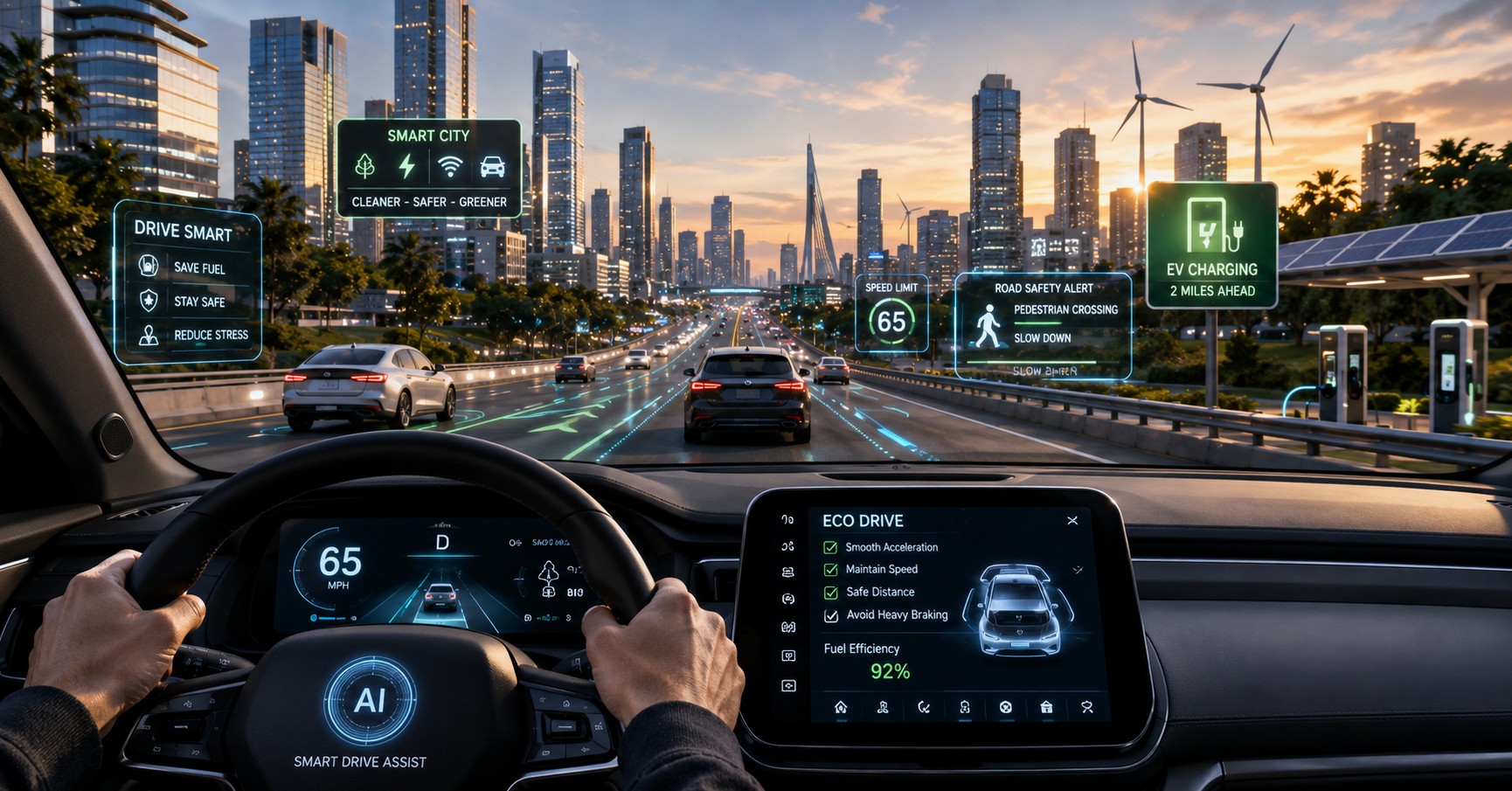
Smart Driving Tips for Safer Roads, Better Fuel Economy, and Smarter Daily Driving
Introduction
Driving today is not just about holding the steering wheel, watching the speedometer, and getting from one place to another. Modern roads are busier, vehicles are more advanced, fuel prices can change quickly, and many US drivers now think about safety, fuel economy, insurance costs, EV charging, maintenance, and smart vehicle technology before every major car decision.
That is why learning practical smart driving tips matters more than ever. Whether you drive a gasoline sedan, hybrid SUV, electric vehicle, pickup truck, or family crossover, smarter driving habits can help you stay safer, use less energy, reduce unnecessary wear, and feel more confident behind the wheel.
The real question is simple: how can everyday drivers use better habits and modern vehicle features to drive safer, spend less, and make smarter ownership decisions?
This guide gives practical advice for beginners, daily commuters, families, long-distance drivers, EV owners, and anyone who wants a more efficient and safer driving experience.
Quick Answer Box
The best smart driving tips are simple: drive smoothly, keep a safe following distance, avoid sudden braking, plan your route, maintain your tires, use safety technology correctly, and adjust your driving style for traffic, weather, and road conditions. These habits can improve safety, support better fuel economy, reduce stress, and help lower long-term vehicle wear.
For beginners, the most important habits are staying focused, scanning the road ahead, using mirrors often, avoiding aggressive acceleration, and learning how your vehicle’s safety systems work. For EV and hybrid drivers, smooth braking, steady speeds, smart charging, and route planning can make a major difference in daily efficiency.
Smart driving does not mean driving slowly all the time. It means driving with awareness, patience, control, and good judgment. The goal is safer trips, fewer surprises, better car ownership decisions, and a driving style that works in real US conditions.
What Smart Driving Really Means
Smart driving is a combination of safe habits, efficient vehicle use, road awareness, and proper use of modern car technology. It is not only about fuel saving. It is also about reducing risk, protecting your vehicle, avoiding unnecessary stress, and making better choices before and during every trip.
A smart driver understands that every action affects safety and cost. Quick acceleration uses more fuel or battery energy. Hard braking wears brake parts faster. Low tire pressure reduces efficiency. Distracted driving increases risk. Ignoring warning lights can turn a small repair into a major expense.
Smart driving also means knowing your vehicle. A modern car may include blind spot monitoring, adaptive cruise control, lane keeping assistance, automatic emergency braking, parking sensors, EV range tools, tire pressure monitoring, and driver alerts. These features can help, but only when the driver understands their limits.
The best drivers do not depend completely on technology. They use technology as backup while still staying alert and responsible.
Why Smart Driving Matters for US Drivers
Driving conditions in the United States vary widely. A driver in Los Angeles traffic faces different challenges than someone driving rural highways in Texas, snowy roads in Michigan, mountain roads in Colorado, or crowded city streets in New York.
Smart driving helps because it adapts to real conditions.
- In cities, it helps reduce stress and avoid small accidents.
- On highways, it supports safer merging and smoother long-distance travel.
- For families, it improves passenger comfort and confidence.
- For EV owners, it helps protect driving range.
- For gasoline and hybrid drivers, it supports better fuel economy.
- For insurance shoppers, it may help encourage safer driving records over time.
Smart driving also matters because vehicles are more expensive to repair than before. Modern bumpers can contain sensors. Windshields may include cameras. Side mirrors may include blind spot systems. A small accident can become costly if safety technology needs calibration.
Better driving habits reduce the chance of avoidable damage.
Smart Driving Tips for Beginners
New drivers often focus on basic control: steering, braking, accelerating, parking, and lane changes. Those basics are important, but beginners should also learn habits that make driving calmer and safer from the start.
Start With Smooth Control
Smooth driving is one of the easiest ways to improve safety and fuel economy. Avoid pressing the gas pedal aggressively unless needed. Brake early instead of waiting until the last second. Turn the steering wheel gradually. A smooth driver gives the car, passengers, and nearby drivers more time to react.
This habit is especially useful in city traffic, school zones, parking lots, and wet weather.
Keep Your Eyes Moving
Beginner drivers often stare too closely at the car in front of them. Smart drivers look farther ahead. Scan traffic lights, brake lights, crosswalks, intersections, parked cars, cyclists, and road signs.
Looking ahead helps you predict problems before they reach you.
Use Mirrors Often
Check mirrors regularly, not only when changing lanes. A quick mirror check helps you understand what is happening behind and beside your vehicle.
Before braking, changing lanes, merging, or turning, check your mirrors and blind spots.
Do Not Trust Other Drivers Too Much
Even when you have the right of way, stay alert. Another driver may run a red light, drift into your lane, stop suddenly, or turn without signaling.
Smart driving means expecting mistakes from others without becoming nervous or aggressive.
Best Safe Driving Habits Daily
The best safe driving habits daily are simple, but they work because they reduce risk repeatedly over time.
Maintain a Safe Following Distance
Following too closely is one of the most common driving mistakes. It gives you less time to react if traffic stops suddenly.
A smart habit is to leave extra space, especially:
- In rain
- At night
- Behind trucks
- In heavy traffic
- On highways
- When carrying family passengers
More space gives you more options. It also reduces hard braking, which supports better fuel economy and smoother driving.
Signal Early
Turn signals are not only legal tools. They are communication tools. Signal before changing lanes, turning, pulling into traffic, or entering parking spaces.
Early signaling helps other drivers understand your plan.
Avoid Distractions
Phone use, food, loud conversations, dashboard settings, and touchscreen menus can all distract drivers. Even a short distraction can matter in traffic.
Set navigation, music, climate controls, and phone settings before driving whenever possible.
Adjust for Weather
Rain, snow, fog, and bright sunlight all require different driving behavior. Slow down, increase following distance, use headlights when appropriate, and avoid sudden steering or braking.
Smart drivers do not drive the same way in every condition.
Fuel Saving Driving Techniques
Fuel saving driving techniques are useful for gasoline cars, hybrids, and even electric vehicles. Efficient driving is usually smoother, safer, and less stressful.
Accelerate Gently
Rapid acceleration uses more fuel in gasoline vehicles and more battery energy in EVs. Smooth acceleration helps your vehicle reach speed without wasting energy.
This does not mean driving too slowly. It means avoiding unnecessary bursts of speed.
Maintain Steady Speeds
Constant speed changes waste energy. On highways, steady driving usually improves fuel economy. Adaptive cruise control can help in light traffic, but drivers should still stay alert.
Reduce Unnecessary Idling
Gasoline vehicles waste fuel when idling for long periods. If you are waiting safely in a parking area, turning off the engine may save fuel. Many modern cars already include automatic start-stop systems.
Keep Tires Properly Inflated
Low tire pressure increases rolling resistance. That means your vehicle works harder and may use more fuel or battery energy.
Check tire pressure monthly and before long trips.
Remove Extra Weight
Carrying unnecessary heavy items in the trunk or cargo area can reduce efficiency. Roof racks and cargo boxes can also increase wind resistance.
If you do not need them, remove them.
| Driving Habit | Fuel Economy Impact | Safety Benefit | Best Use Case |
|---|---|---|---|
| Smooth acceleration | Uses less fuel or battery | Reduces sudden movement | City and highway driving |
| Proper tire pressure | Improves efficiency | Improves handling | Daily commuting |
| Steady speed | Reduces energy waste | Creates calmer traffic flow | Highway trips |
| Early braking | Reduces wasted momentum | Gives more reaction time | Traffic and intersections |
| Route planning | Avoids fuel-wasting delays | Reduces rushed driving | Road trips and city driving |
Smart City Driving Strategies
City driving can be stressful because traffic changes quickly. Pedestrians, cyclists, buses, delivery trucks, rideshare vehicles, traffic lights, and parked cars all create constant movement.
Look Beyond the Car Ahead
In city traffic, do not focus only on one vehicle. Watch traffic lights, crosswalks, side streets, and brake lights several cars ahead.
This helps you avoid sudden stops.
Use Low-Speed Patience
Many city accidents happen at low speeds because drivers rush through tight spaces. Parking garages, gas stations, school zones, apartment areas, and shopping centers require patience.
Slow driving in these areas is not weakness. It is smart risk control.
Protect Pedestrians and Cyclists
Always check crosswalks before turning. Watch for cyclists near the right side of your vehicle. Use mirrors before opening doors on busy streets.
Avoid Last-Second Lane Changes
City drivers often change lanes suddenly to save a few seconds. This can increase risk and stress.
Plan your lane early, especially before turns or highway entrances.
How to Drive Safely in Traffic
Learning how to drive safely in traffic is one of the most important skills for US commuters.
Stay Calm in Stop-and-Go Traffic
Heavy traffic is frustrating, but aggressive driving rarely saves meaningful time. Tailgating, sudden lane changes, and hard braking increase risk and vehicle wear.
Stay patient and keep enough space to move smoothly.
Use One-Pedal or Regenerative Braking Carefully
Many EVs and hybrids use regenerative braking. This can improve efficiency, but drivers should learn how it feels before using it heavily in traffic.
Smooth regenerative braking can make traffic easier, but sudden deceleration may surprise drivers behind you.
Watch for Motorcycles
Motorcycles can appear quickly in blind spots. Check carefully before changing lanes, especially in warm-weather states where motorcycle traffic is common.
Do Not Block Intersections
If traffic is stopped ahead, do not enter an intersection unless you can clear it fully. Blocking intersections creates dangerous and stressful situations.
Best Driving Tips for Long Trips
Long-distance driving requires planning, patience, and vehicle preparation. The best driving tips for long trips focus on safety, comfort, fuel economy, and reducing fatigue.
Prepare the Vehicle First
Before a long trip, check:
- Tire pressure
- Tire tread
- Oil level if applicable
- Coolant level
- Windshield washer fluid
- Brake condition
- Lights
- Charging plan for EVs
Plan Rest Stops
Fatigue can affect reaction time. Plan breaks before you feel exhausted. Stretch, drink water, walk briefly, and avoid pushing too far without rest.
Use Cruise Control Wisely
Cruise control can help maintain steady speeds and reduce fatigue. Adaptive cruise control can be useful on highways, but it should not replace attention.
Pack Emergency Basics
For long trips, consider carrying:
- Phone charger
- Water
- Flashlight
- Basic first-aid kit
- Tire inflator
- Blanket in cold regions
- EV charging app access if needed
Smart Vehicle Safety Advice
Smart vehicle safety advice starts with understanding what your car can and cannot do.
Automatic Emergency Braking
This system can help reduce front collision risk by warning the driver or applying braking support in certain situations. It is helpful, but not perfect. Weather, dirty sensors, unusual road conditions, or sudden vehicle movements can affect performance.
Blind Spot Monitoring
Blind spot monitoring is useful during lane changes, but drivers should still check mirrors and turn their head briefly when safe. Sensors are helpful, but they should not replace good habits.
Lane Keeping Assistance
Lane keeping systems can help prevent drifting, especially on highways. However, poor lane markings, construction zones, or bad weather can reduce system accuracy.
Parking Cameras
Cameras improve visibility, but drivers should still look around physically. Children, pets, shopping carts, and low obstacles can appear suddenly.
| Safety Feature | What It Helps With | Driver Responsibility |
|---|---|---|
| Blind Spot Monitoring | Detects vehicles beside you | Still check mirrors and blind spots |
| Automatic Emergency Braking | Helps reduce front collision risk | Maintain safe distance |
| Lane Keeping Assist | Helps prevent lane drifting | Keep hands on wheel |
| Adaptive Cruise Control | Maintains distance in traffic | Watch road conditions |
| Rear Cross Traffic Alert | Warns while reversing | Reverse slowly and look around |
EV, Hybrid, and Gas Vehicle Driving Tips
Smart driving changes slightly depending on the type of vehicle you own.
Electric Vehicles
EV drivers should focus on smooth acceleration, regenerative braking, battery temperature, charging habits, and route planning.
For daily use, avoid driving with extremely low battery unless necessary. For long trips, plan charging stops ahead of time and check charger availability before leaving.
Hybrid Cars
Hybrid vehicles reward smooth driving. Gentle acceleration and early braking allow the electric motor and regenerative braking system to work more effectively.
Hybrids are excellent for city driving because stop-and-go traffic allows more energy recovery.
Gasoline Vehicles
Gasoline vehicles benefit from steady speeds, proper maintenance, clean air filters, good tires, and avoiding unnecessary idling.
Smart driving can make even older vehicles feel more efficient and reliable.
EV Charging and Fuel Economy
EV charging and fuel economy are now part of smart car ownership. Drivers should understand both energy cost and convenience.
Home Charging
Home charging is usually the most convenient option for EV owners. A Level 2 home charger can make daily EV ownership much easier, especially for commuters.
Installation cost depends on your home electrical setup, panel capacity, charger location, and local electrician rates.
Public Charging
Public charging is useful for apartments, road trips, and emergency range needs. However, public chargers vary in speed, price, reliability, and availability.
Check charging apps before depending on a station.
Fuel Economy for Gas and Hybrid Vehicles
For gas and hybrid drivers, fuel economy depends on speed, tire pressure, maintenance, traffic, weather, and driving style.
A calm driver usually gets better mileage than an aggressive driver in the same vehicle.
| Vehicle Type | Best Efficiency Habit | Ownership Tip |
|---|---|---|
| Electric Vehicle | Smooth acceleration and smart charging | Plan charging before long trips |
| Hybrid Vehicle | Early braking and steady driving | Use city efficiency to your advantage |
| Gasoline Vehicle | Maintain speed and tire pressure | Follow service schedule |
| Plug-in Hybrid | Charge regularly for short trips | Use electric mode when practical |
Cost Analysis and Ownership Savings
Smart driving can influence several ownership costs. It may not create instant dramatic savings, but small improvements can add up over time.
Fuel and Energy Costs
Smoother driving can reduce fuel or electricity use. Avoiding hard acceleration, maintaining steady speed, and planning routes can help reduce wasted energy.
Brake Wear
Early braking and smooth stops reduce brake stress. EVs and hybrids may also reduce brake wear through regenerative braking.
Tire Life
Hard cornering, fast acceleration, poor alignment, and low tire pressure can shorten tire life. Smart driving protects tires and improves ride quality.
Repair Avoidance
Defensive driving can help avoid small collisions, curb damage, parking lot scrapes, and suspension stress from potholes.
Modern repairs can be expensive because vehicles include cameras, sensors, and electronic components.
Insurance Considerations
Auto insurance is affected by many factors, including driving history, location, vehicle type, claim history, mileage, and coverage level.
Smart driving habits may help protect your driving record, which can matter when comparing insurance quotes.
Ask About Safety Discounts
Some insurance providers may consider safety features such as automatic emergency braking, anti-theft systems, and driver assistance technology.
Discounts vary, so always check directly with your insurance provider.
Technology Can Increase Repair Costs
A vehicle with advanced sensors may cost more to repair after a collision. This can affect insurance pricing.
Before buying a vehicle, compare insurance quotes for the exact trim level.
Usage-Based Insurance
Some insurers offer programs that monitor driving habits such as braking, acceleration, mileage, and time of day. These programs are not ideal for every driver, but careful drivers may want to review them.
Always read privacy and program details before enrolling.
Maintenance Factors
Smart driving and maintenance work together. Even the best driver cannot get maximum safety and efficiency from a poorly maintained vehicle.
Monthly Maintenance Checks
- Check tire pressure
- Inspect tire tread
- Test headlights and brake lights
- Check windshield wipers
- Look for dashboard warning lights
- Review fluid levels if applicable
Seasonal Maintenance
Before winter, check tires, battery health, wipers, defroster, and emergency supplies. Before summer, check cooling systems, tire pressure, air conditioning, and road trip readiness.
EV Maintenance
EVs need less engine-related maintenance, but they still require tire care, brake checks, cabin filters, cooling system service, software updates, and battery health awareness.
| Maintenance Item | Why It Matters | Suggested Habit |
|---|---|---|
| Tire Pressure | Affects safety and efficiency | Check monthly |
| Brake System | Critical for stopping distance | Inspect during service |
| Wipers | Improves visibility | Replace when streaking |
| Battery | Prevents starting or range issues | Check before extreme weather |
| Software Updates | Supports modern vehicle systems | Install when recommended |
Best Models and Vehicle Options for Smart Driving
The best vehicle for smart driving depends on your budget, location, driving style, and charging access. No single model is perfect for everyone.
| Vehicle Type | Good For | Pros | Things to Check |
|---|---|---|---|
| Compact Hybrid | Commuters and city drivers | Strong fuel economy and easy parking | Rear seat and cargo space |
| Family Hybrid SUV | Families and daily errands | Efficient, practical, comfortable | Insurance and trim pricing |
| Electric SUV | Home charging owners | Smooth driving and low fuel use | Range, charging network, warranty |
| Gas Sedan | Budget-focused buyers | Lower upfront cost in many cases | Fuel economy and safety features |
| Plug-in Hybrid | Mixed city and road trip use | Electric short trips with gas backup | Charging habits and cargo space |
Technology Features Worth Having
Modern vehicles offer many features, but not all are equally useful. The best automotive technology features are the ones that improve safety, comfort, and daily confidence.
Highly Recommended Features
- Blind spot monitoring
- Automatic emergency braking
- Adaptive cruise control
- Rear cross traffic alert
- Lane keeping assistance
- Good headlights
- Clear backup camera
- Tire pressure monitoring
- Wireless smartphone integration
Nice-to-Have Features
- 360-degree camera
- Heated steering wheel
- Ventilated seats
- Head-up display
- Built-in route planning for EVs
- Remote climate control
Features to Review Carefully
Some features may require subscriptions. Before buying, ask the dealership which features remain active after trial periods end.
Future Trends in Smart Driving
Future transportation will likely make smart driving even more connected. Vehicles are becoming better at warning drivers, managing energy use, predicting maintenance needs, and communicating with navigation systems.
Smarter Safety Alerts
Future vehicles may provide better warnings for pedestrians, cyclists, road hazards, traffic changes, and driver fatigue.
Improved EV Route Planning
EV navigation systems are improving. Future systems may better estimate range based on weather, terrain, traffic, speed, and charger availability.
Connected Road Systems
Some future roads may communicate traffic signals, construction alerts, emergency vehicle warnings, or hazard information directly to vehicles.
These improvements will not replace responsible driving, but they may support safer decisions.
Step-by-Step Buying Advice
Step 1: Define Your Daily Driving
Before choosing a vehicle, write down your real driving needs. Consider commute distance, family size, parking space, road trip frequency, weather, and charging access.
Step 2: Choose Safety First
Prioritize safety systems over luxury extras. A larger screen is nice, but blind spot monitoring and emergency braking are more useful in daily traffic.
Step 3: Compare Fuel or Charging Costs
Compare gasoline, hybrid, plug-in hybrid, and EV options based on your real use. EVs can be excellent for home charging owners, while hybrids may be better for drivers without easy charging access.
Step 4: Check Insurance Before Buying
Get insurance quotes for the exact model and trim. A higher-tech trim may cost more to insure than expected.
Step 5: Test Drive Like an Owner
During the test drive, check visibility, seat comfort, controls, braking feel, parking ease, touchscreen menus, and safety alerts.
Do not judge the vehicle only by looks.
Common Mistakes to Avoid
Driving Too Aggressively
Fast starts, hard stops, tailgating, and frequent lane changes increase risk and reduce efficiency.
Ignoring Tire Pressure
Tires affect safety, comfort, fuel economy, EV range, and braking. Low tire pressure is one of the easiest problems to prevent.
Depending Too Much on Safety Technology
Driver assistance systems are helpful, but they are not perfect. Stay alert and ready to control the vehicle.
Buying Features You Do Not Need
Some drivers pay extra for premium technology they rarely use. Focus on features that match your real driving life.
Skipping Insurance Research
Insurance can change the total cost of ownership. Always compare quotes before making a final decision.
My Practical Recommendation
My practical recommendation is simple: build your smart driving habits first, then choose vehicle technology that supports those habits.
For most US drivers, the most valuable improvements are not complicated. Keep a safe following distance, accelerate smoothly, brake early, maintain your tires, avoid distractions, and learn how your vehicle’s safety systems work.
If you are buying a new or used vehicle, prioritize blind spot monitoring, automatic emergency braking, adaptive cruise control, strong headlights, and a clear rear camera. These features help in real daily situations.
The best smart driving tips are not about chasing trends. They are about making safer, calmer, and more cost-aware choices every day.
Internal Linking Suggestions
- Anchor text: EV charging cost guide
Suggested link article: EV Charging Cost Explained
Placement idea: EV charging and fuel economy section - Anchor text: best hybrid cars for daily driving
Suggested link article: Best Hybrid Cars for Commuters
Placement idea: Vehicle options section - Anchor text: advanced car safety features
Suggested link article: Smart Vehicle Safety Systems Guide
Placement idea: Safety technology section - Anchor text: fuel saving driving techniques
Suggested link article: How to Improve Fuel Economy
Placement idea: Fuel saving section - Anchor text: electric vehicles for beginners
Suggested link article: Beginner EV Buying Guide
Placement idea: EV driving tips section - Anchor text: best family vehicles with safety technology
Suggested link article: Family SUV Safety Guide
Placement idea: Buying advice section - Anchor text: smart city driving strategies
Suggested link article: City Driving Safety Tips
Placement idea: City driving section - Anchor text: best driving tips for long trips
Suggested link article: Road Trip Vehicle Checklist
Placement idea: Long trip section
FAQ Section
1. What are the best smart driving tips for beginners?
The best smart driving tips for beginners are to drive smoothly, keep a safe following distance, check mirrors often, avoid distractions, signal early, and scan the road ahead. Beginners should avoid rushing, tailgating, and overreacting in traffic. It is also important to learn how the vehicle’s safety features work before depending on them. Practice in calm areas first, then gradually build confidence in heavier traffic. Smart driving is not about being perfect. It is about staying aware, patient, and prepared.
2. How can I save fuel while driving every day?
You can save fuel by accelerating gently, maintaining steady speeds, avoiding unnecessary idling, keeping tires properly inflated, removing extra weight, and planning routes to avoid heavy traffic when possible. Hard braking and aggressive acceleration waste fuel and increase wear. Regular maintenance also matters. A poorly maintained vehicle may use more fuel than expected. These fuel saving driving techniques work best when used consistently during daily driving, not only on long trips.
3. How do I drive safely in heavy traffic?
To drive safely in traffic, stay calm, leave enough space, avoid sudden lane changes, watch brake lights ahead, and do not use your phone. Heavy traffic can make drivers impatient, but aggressive driving usually adds risk without saving much time. Keep your speed controlled and let other drivers merge when needed. If your vehicle has adaptive cruise control, use it carefully and stay alert. Traffic safety depends on patience, spacing, and awareness.
4. Are smart vehicle safety features worth it?
Yes, many smart vehicle safety features are worth it, especially blind spot monitoring, automatic emergency braking, adaptive cruise control, lane keeping assistance, and rear cross traffic alert. These systems can improve awareness and reduce stress in daily driving. However, they are support tools, not replacements for careful driving. Drivers should still check mirrors, watch the road, and keep control of the vehicle at all times. Before buying, test the systems to see if they feel natural.
5. Do smart driving habits lower insurance costs?
Smart driving habits may help protect your driving record, which can matter when insurance companies calculate rates. Some insurers also offer usage-based programs or discounts for vehicles with certain safety features. However, savings are not guaranteed and vary by provider, location, vehicle, and driver history. The best step is to ask your insurance provider directly and compare quotes before buying a vehicle. Safe habits are valuable even when discounts are not available.
6. What is the best driving style for electric vehicles?
The best driving style for electric vehicles is smooth, steady, and planned. Gentle acceleration, regenerative braking, proper tire pressure, and smart route planning can help protect range. EV drivers should also understand how weather, speed, hills, and climate control affect battery use. For long trips, check charging station availability before leaving. Home charging makes EV ownership much easier for many drivers. Smart EV driving is about using energy efficiently without making the trip stressful.
7. Are hybrid cars good for smart driving?
Hybrid cars are excellent for smart driving because they reward smooth acceleration, early braking, and steady speeds. In city driving, hybrids can recover energy through regenerative braking and use electric power at lower speeds. This can improve fuel economy during stop-and-go travel. Hybrids are also practical for drivers who want better efficiency but do not have reliable EV charging access. For many US families and commuters, a hybrid can be a balanced choice.
8. What should I check before a long road trip?
Before a long road trip, check tire pressure, tire tread, lights, wipers, brakes, fluids, phone chargers, route plans, weather, and emergency supplies. EV drivers should also plan charging stops and confirm charger availability. Long trips are safer when the vehicle is prepared and the driver is rested. Plan breaks before fatigue becomes serious. Smart road trip driving is about preparation, steady speed, patient lane changes, and avoiding rushed decisions.
9. What driving habits damage a car over time?
Hard acceleration, sudden braking, hitting potholes at speed, ignoring tire pressure, skipping maintenance, overloading the vehicle, and aggressive cornering can damage a car over time. These habits may increase wear on tires, brakes, suspension, drivetrain parts, and fuel systems. EVs and hybrids also benefit from smooth driving because it supports efficiency and reduces stress on tires and brakes. Better habits can make ownership calmer and potentially reduce avoidable repair costs.
10. What technology should I look for when buying a safer car?
When buying a safer car, look for automatic emergency braking, blind spot monitoring, lane keeping assistance, adaptive cruise control, rear cross traffic alert, strong headlights, tire pressure monitoring, and a clear backup camera. Families may also want rear seat reminders and 360-degree cameras. Always test the technology during a drive. Some systems feel smooth and helpful, while others may feel distracting. Choose features that improve real daily driving, not just features that sound impressive.
Final Checklist
- Drive smoothly and avoid aggressive acceleration
- Keep a safe following distance
- Check tire pressure every month
- Use mirrors and signals early
- Avoid phone distractions
- Plan routes before driving
- Use safety technology as support, not replacement
- Compare insurance before buying a vehicle
- Maintain brakes, tires, lights, and wipers
- Plan EV charging before long trips
- Choose vehicle features you will actually use
- Stay calm in traffic and bad weather
Conclusion
Smart driving is one of the easiest ways to improve safety, fuel economy, comfort, and long-term vehicle ownership. It does not require a luxury vehicle or complicated technology. It starts with awareness, patience, smooth control, good maintenance, and better daily decisions.
Modern cars, hybrids, and electric vehicles offer more safety and efficiency features than ever before. But the driver still matters most. A careful driver using simple smart driving tips can reduce stress, protect passengers, improve efficiency, and make better car ownership choices.
Before your next commute, road trip, or vehicle purchase, focus on practical habits first. Then choose technology that supports your real driving needs. That balanced approach is the smartest way to drive safer, save energy, and enjoy the road with more confidence.