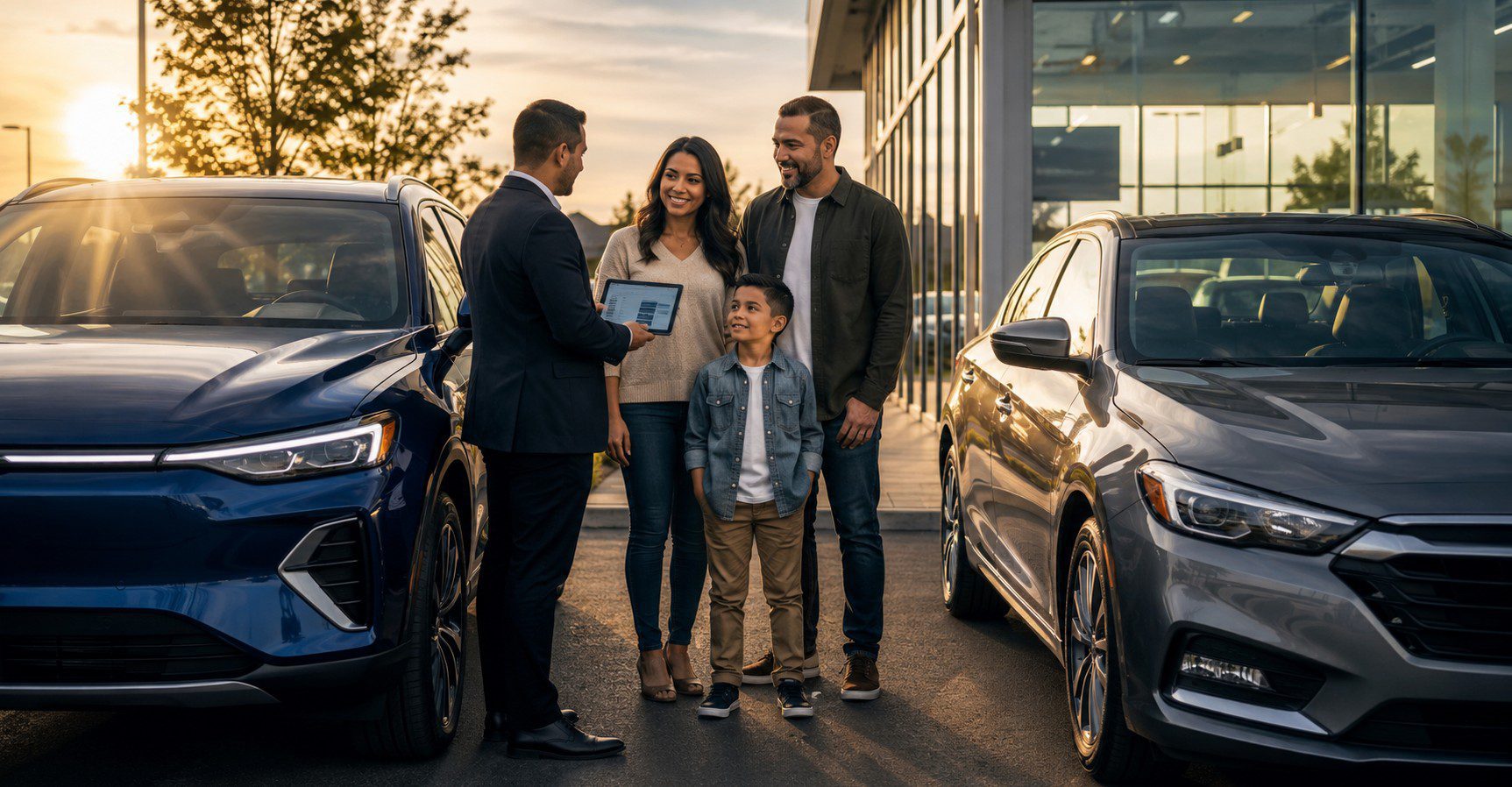
Buying New vs Used Car – Which Is Better for US Buyers in 2026 ?
A new vehicle can give you warranty coverage, the latest safety features, modern infotainment, and fewer repair worries. A used vehicle can lower your upfront cost, reduce depreciation risk, and help you afford a better trim, larger SUV, or more capable truck. However, the cheaper choice at the dealership is not always the cheaper choice over five years.
This guide explains how US buyers can compare new and used cars in a practical way. It covers monthly payments, depreciation, financing, insurance, maintenance, certified pre-owned options, EV and hybrid shopping, family use, daily commuting, and common mistakes to avoid before you sign paperwork.
Quick Answer: Should You Buy a New or Used Car?
If you want the lowest risk, latest safety technology, full warranty coverage, and plan to keep the vehicle for many years, buying new can make sense. A new car may also work better if you qualify for strong financing, manufacturer incentives, or need a specific family vehicle, hybrid, truck, or electric vehicle with the newest features.
If your main goal is lower purchase price and better value, a used car may be smarter. A two to five year old vehicle can offer modern features while avoiding the steepest early depreciation. However, you must check the vehicle history report, maintenance records, title status, accident history, open recalls, tires, brakes, and inspection results.
Why the New vs Used Car Decision Matters More in 2026
The US car market has changed. Many buyers now compare monthly payments before they compare horsepower, color, or trim level. Higher vehicle prices, changing loan rates, insurance increases, and demand for SUVs, trucks, hybrids, and electric vehicles all affect the new vs used car buying guide.
For many families, a vehicle is not a luxury. It is the way they get to work, school, groceries, medical visits, and weekend trips. A bad car buying decision can strain the household budget for years. A smart decision can reduce stress every month.
Buying new vs used car options also matters because vehicles have become more technology-heavy. Newer models often include better driver assistance, larger screens, improved smartphone integration, better fuel economy, and more advanced safety features. At the same time, used cars can deliver great value if they have a clean history and good maintenance records.
If you want a deeper general buying overview, HelpfulHub also has a practical car buying guide for 2026 that can help you compare budget, financing, dealer steps, and ownership planning before you shop.
New Car vs Used Car: Main Difference Explained
A new car has never been titled to a retail owner. It usually comes with the full factory warranty, the latest model-year features, current safety technology, and the most flexible trim and color choices. You can often choose the exact package you want.
A used car has had at least one previous owner or was previously titled. It may be cheaper than a new version, but its condition depends on age, mileage, maintenance, climate, driving habits, accident history, and previous ownership. Some used cars are excellent. Others can become expensive quickly.
The right answer is not the same for every driver. A commuter who drives 20,000 miles per year has different needs than a parent buying a family SUV. A contractor looking for a truck has different concerns than a student buying a small sedan. A driver with easy home charging may compare new EV vs used EV choices differently than someone who parks on the street.
Quick Comparison: New vs Used Car
| Factor | New Car | Used Car |
|---|---|---|
| Purchase price | Usually higher | Usually lower, but varies by model |
| Warranty | Full factory warranty | Limited, expired, or aftermarket coverage |
| Depreciation | Highest in early ownership | Slower after the first few years |
| Technology | Latest safety and infotainment | Depends on model year and trim |
| Financing | May qualify for promotional rates | Rates can be higher |
| Maintenance risk | Lower early risk | Depends on condition and service history |
New Car Pros: Warranty, Technology, Safety, and Peace of Mind
A new car gives you a clean start. You know the vehicle history because there is no previous owner. You also get the full factory warranty, which can reduce repair anxiety during the first years of ownership.
New vehicles also offer the latest safety features. Depending on model and trim, this may include automatic emergency braking, blind spot monitoring, lane keeping assistance, adaptive cruise control, rear cross traffic alert, better cameras, and improved crash structure. These features can be valuable for families, teen drivers, commuters, and road trip drivers.
Technology is another major advantage. New cars often include wireless smartphone integration, better infotainment systems, over-the-air updates, digital displays, improved voice controls, and more advanced driver assistance. For EV and hybrid shoppers, newer models may also bring better charging features, improved battery management, and more efficient powertrains.
New cars can also be easier to compare. You can review trims, packages, warranty coverage, and dealer incentives without guessing how the vehicle was treated. If you plan to keep a vehicle for eight to ten years, the higher upfront cost may feel more reasonable over time.
New Car Cons: Higher Price, Depreciation, Insurance, and Fees
The biggest downside of buying new is cost. New vehicles usually have higher purchase prices, which can increase your monthly payment, sales tax, registration fees, and insurance cost. Even when the loan rate looks attractive, the total financed amount may still be large.
Depreciation is another key issue. A new car can lose value quickly during the first years of ownership. This matters if you trade often, sell early, or roll negative equity into another loan. A good new car deal can still become costly if you do not keep the vehicle long enough.
Insurance can also be higher because new vehicles cost more to repair or replace. Advanced sensors, cameras, bumpers, headlights, and electronic systems can increase repair costs after an accident. That can affect premiums, especially in states or cities where insurance rates are already high.
Dealer add-ons can make a new car more expensive than expected. Paint protection, fabric protection, nitrogen tires, extended warranties, appearance packages, and market adjustments can raise the final out-the-door price. Always compare the total price, not just the advertised payment.
When a New Car Usually Makes Sense
| Situation | Why New May Work Better |
|---|---|
| You keep cars a long time | The higher upfront cost spreads over more years. |
| You want the latest safety features | Newer models may include more standard driver assistance. |
| You need full warranty coverage | Factory warranty reduces early repair worries. |
| You qualify for strong incentives | Manufacturer offers may narrow the gap with used cars. |
| You want a specific trim or powertrain | New inventory may offer better choice and customization. |
Used Car Pros: Lower Price, Better Value, and Slower Depreciation
A used car often gives you more value for the money. You may be able to buy a higher trim, larger SUV, better-equipped sedan, or more capable truck for less than a new version. That can help if you need practical space but want to control your monthly payment.
Used vehicles also avoid some early depreciation. A three year old used car may have already lost a meaningful part of its original value. If it has good service records and reasonable mileage, it can be a strong balance between modern features and lower cost.
For budget-focused buyers, buying used can also reduce the amount financed. That may help you pay off the loan faster or avoid a long loan term. A lower purchase price can also reduce taxes and registration fees in some areas.
Used cars can be a good choice for students, first-time buyers, city drivers, and families who need a second vehicle. They also work well for buyers who want lower depreciation risk or do not care about having the newest screen, latest styling, or newest model-year features.
Used Car Cons: Repairs, History Risk, Warranty Limits, and Higher Loan Rates
A used car can save money, but it needs more research. You must check the vehicle history report, title status, accident record, odometer reading, open recalls, maintenance history, and inspection results. A cheap used car with hidden problems can become more expensive than a new car.
Warranty coverage may be limited or expired. Some used vehicles still have part of the original warranty. Others may have no warranty at all. In that case, repair costs become your responsibility after purchase.
Used car financing can also be more expensive. Lenders may charge higher rates for older vehicles or higher-mileage vehicles. The loan term may also be shorter. As a result, the monthly payment difference between new and used may be smaller than expected.
Condition matters more than brand reputation alone. Even reliable brands can have problems if previous owners skipped maintenance or repaired accident damage poorly. Before you buy, compare the vehicle to a broader new car vs used car guide and use a pre-purchase inspection for added confidence.
New vs Used Car Depreciation: The Biggest Hidden Cost
Depreciation is the value a vehicle loses over time. It is not a bill you pay every month, but it affects your real ownership cost when you sell, trade, refinance, or total the vehicle in an accident.
New cars usually depreciate faster during the early years. That does not always make them a bad choice, but it means you should avoid overpaying, adding unnecessary extras, or trading too soon. If you buy new, plan to keep the vehicle long enough to benefit from the warranty and reliability period.
Used cars usually depreciate more slowly after the first few years. That is one reason many shoppers like a three year old used car vs new car comparison. The used vehicle may still feel modern, but the first owner already absorbed a large part of the value drop.
However, depreciation depends on demand, mileage, fuel prices, brand reputation, body style, and powertrain. Popular trucks, reliable SUVs, and efficient hybrids may hold value better than less popular models. Luxury vehicles and niche models may drop faster.
Depreciation Comparison by Ownership Style
| Ownership Style | New Car Impact | Used Car Impact |
|---|---|---|
| Keep 2 to 3 years | Higher depreciation risk | Usually lower depreciation risk |
| Keep 5 to 7 years | More time to spread cost | Good value if repairs stay low |
| Keep 10 years or more | Can be strong if maintained well | May need more repairs later |
| Trade often | Can be costly | Often safer for value retention |
New vs Used Car Financing: Which One Gets Better Loan Rates?
Financing can change the answer to buying new vs used car in USA searches. A new car usually has a higher price, but it may qualify for lower promotional rates, special lease programs, or manufacturer incentives. A used car usually has a lower price, but loan rates may be higher.
This means the lowest sticker price does not always create the lowest monthly payment. For example, a discounted new vehicle with a strong promotional rate may compete with a slightly used vehicle at a higher rate. On the other hand, a well-priced used car with a large down payment may still be the better deal.
Before you visit the dealer, get pre-approved through a bank, credit union, or trusted lender. Then compare the dealer offer against your pre-approval. This gives you more control and helps you avoid focusing only on monthly payment.
Loan term also matters. A longer loan can make the payment look smaller, but it may increase total interest and negative equity risk. Try to choose a vehicle you can afford without stretching the loan too far.
Financing Factors to Compare
| Factor | Why It Matters |
|---|---|
| APR | Controls how much interest you pay over time. |
| Loan term | Longer terms lower payment but can raise total cost. |
| Down payment | Reduces financed amount and negative equity risk. |
| Trade-in value | Can reduce the amount you need to finance. |
| Dealer incentives | May make a new car more competitive. |
| Vehicle age | Older used cars may receive less favorable loan terms. |
New vs Used Car Insurance Cost: What Buyers Should Know
Insurance is a major part of total ownership cost. A new car may cost more to insure because it has a higher replacement value and may use expensive sensors, cameras, lights, and body panels. Full coverage is also usually required when you finance or lease.
A used car may cost less to insure, especially if it has a lower market value. However, this is not guaranteed. Some used models have high theft rates, expensive parts, poor claims history, or costly repair patterns. That can raise premiums.
Before buying, request insurance quotes for each vehicle on your shortlist. Use the exact year, make, model, trim, VIN if available, expected mileage, and garaging ZIP code. A sporty trim, luxury badge, or high-performance engine can change the quote.
Also compare deductibles and coverage needs. If you buy an older used vehicle with cash, you may choose less coverage. However, dropping coverage too aggressively can create risk if you cannot afford to replace the car after a crash, theft, flood, or major damage.
New vs Used Car Maintenance Cost Comparison
New cars usually need less repair work during the early years. Routine maintenance still matters, but major repairs are less likely if the vehicle is built well and maintained properly. Warranty coverage can also protect you from certain unexpected costs.
Used cars require more inspection and planning. Tires, brakes, battery, suspension, fluids, spark plugs, belts, filters, and electronic systems may need attention based on age and mileage. A lower purchase price can disappear if the car needs immediate repairs.
For hybrids and EVs, maintenance can look different. EVs have fewer traditional engine parts, but battery health, charging equipment, tires, brakes, software, and high-voltage components still matter. Used EV buyers should review battery warranty status, charging habits, range needs, and local charging access.
New car warranty vs used car warranty is also important. A used car with remaining factory warranty or certified pre-owned coverage may reduce risk. A regular used car without coverage should be priced low enough to leave room for repairs.
Maintenance and Repair Planning Table
| Item | New Car | Used Car |
|---|---|---|
| Tires | Usually new | Check tread depth and age |
| Brakes | Usually fresh | Inspect pads, rotors, and brake feel |
| Battery | Newer and covered | Check age and test condition |
| Fluids | Fresh from factory | Review service records |
| Warranty | Full factory coverage | Varies by age, mileage, and program |
| Inspection | Still useful before delivery | Essential before purchase |
Certified Pre-Owned vs New Car: Which Is the Smarter Choice?
A certified pre-owned vehicle, often called CPO, sits between new and regular used. It is usually a newer used vehicle that meets the manufacturer’s program requirements. It may include an inspection, limited warranty, roadside assistance, and other benefits.
Certified pre-owned vs new car comparisons are useful for buyers who want lower cost but still want more confidence than a regular used car. CPO can be attractive for sedans, SUVs, trucks, and luxury vehicles where warranty protection matters.
However, CPO is not always the best deal. Some certified vehicles are priced close to new vehicles. In that case, a new car with better financing or incentives may make more sense. Always compare the out-the-door price, APR, warranty length, mileage, and included benefits.
Certified pre-owned vs regular used car decisions depend on your risk tolerance. A regular used car may be cheaper, but CPO may reduce uncertainty. If you need help comparing used vehicle value, you can also review this HelpfulHub guide on buying a used car vs new car.
New vs Used Car for First-Time Buyers, Families, Students, and Commuters
The best option for first time car buyers new or used depends on budget, driving experience, insurance cost, and reliability needs. A safe, affordable used sedan or compact SUV can be a smart first vehicle. However, a new entry-level car with warranty and modern safety features may be worth considering if the payment is manageable.
Buying a new car vs used car for families requires a different checklist. Families often need space, safety features, cargo room, car seat access, rear-seat comfort, and road trip reliability. A new family SUV can provide peace of mind, but a lightly used SUV can offer better value.
Buying new vs used car for students usually comes down to affordability and dependability. Students should avoid stretching their budget for style or performance. Insurance, fuel, parking, maintenance, and repairs matter more than luxury features.
New vs used car for daily commute decisions should focus on fuel economy, comfort, reliability, safety technology, and insurance. A commuter who drives long distances may benefit from a newer hybrid, efficient sedan, or reliable used compact SUV with proven maintenance history.
Best Choice by Buyer Type
| Buyer Type | New May Be Better If | Used May Be Better If |
|---|---|---|
| First-time buyer | You want warranty and modern safety tech | You need a lower payment and lower purchase price |
| Family buyer | You need maximum reliability and latest safety features | You can find a clean, well-maintained SUV or minivan |
| Student | Parents help with payment and warranty matters | Budget control is the top priority |
| Daily commuter | You want fuel efficiency and low repair risk | You find a reliable used model with service records |
| High-mileage driver | You need a fresh warranty and long service life | You want to avoid heavy depreciation from mileage |
New vs Used SUV, Truck, Hybrid, and EV Buying Guide
New vs used SUV buying guide decisions often start with family space and safety. SUVs are popular in the US because they offer cargo room, higher seating, all-wheel drive availability, and flexible family use. A new SUV may offer the latest driver assistance. A used SUV may provide better value if it has a clean history.
New vs used truck buying guide decisions depend on towing, payload, work use, engine choice, cab size, bed length, and ownership cost. A new truck may be better if you need a specific towing package or heavy-duty capability. A used truck can be a strong value, but inspect frame condition, suspension, transmission, towing wear, and maintenance records carefully.
New vs used hybrid car buying guide shoppers should compare fuel economy, battery warranty, service history, and long-term reliability. A used hybrid can save fuel and money, but battery age and condition matter. A new hybrid may offer better warranty coverage and updated technology.
New vs used electric car buying guide decisions require extra planning. Compare EV range, battery health, charging speed, home charging access, public charging near your routes, warranty status, software updates, and local incentives. A used EV can be affordable, but make sure the real-world range fits your daily life.
If you are exploring smaller electric vehicles or urban EV options, this related guide on how to choose a mini electric car can give you more EV-focused buying context.
EV and Hybrid Comparison Points
| Question | Why It Matters |
|---|---|
| Can you charge at home? | Home charging can make EV ownership easier and cheaper. |
| How far do you drive daily? | Your real commute should fit comfortably within EV range. |
| Is the battery warranty active? | Warranty coverage reduces used EV risk. |
| Do you take road trips? | Charging network access matters for long-distance travel. |
| Would a hybrid be simpler? | Hybrids can reduce fuel use without charging planning. |
Total Cost of Ownership: What to Calculate Before Buying
New vs used car total cost of ownership includes more than the sale price. You should calculate loan payment, interest, insurance, fuel or charging, maintenance, repairs, registration, taxes, dealer fees, parking, tolls, and depreciation.
A car payment calculator can help you compare new vs used car monthly payment comparison scenarios. Change the price, down payment, trade-in, APR, loan term, and taxes. Then compare the results side by side.
Do not use the monthly payment as your only guide. Dealers can lower a payment by extending the loan term, but that can raise total interest and keep you in debt longer. Instead, focus on the out-the-door price and total cost over the time you plan to own the vehicle.
For shoppers who want more budget-friendly choices, HelpfulHub has a guide to budget-friendly cars that can help you build a practical shortlist before visiting dealerships.
Total Ownership Cost Checklist
| Cost Area | Questions to Ask |
|---|---|
| Loan payment | Can you afford it without stretching your budget? |
| Insurance | Did you get quotes before buying? |
| Fuel or charging | Does the vehicle match your commute and road trips? |
| Maintenance | Can you afford routine service and wear items? |
| Repairs | Do you have emergency savings for used car repairs? |
| Depreciation | Will the vehicle hold value for your ownership period? |
| Fees and taxes | Did you compare the full out-the-door price? |
Dealer Fees, Taxes, Registration, and Dealership Shopping Tips
Dealer fees can change the real price of both new and used cars. Ask for an out-the-door quote that includes the vehicle price, destination charge if applicable, dealer documentation fee, registration, title, taxes, and any add-ons.
New car vs used car dealer fees can vary by dealership and state. Some fees are required. Others may be negotiable. Ask the dealer to explain every line item before you agree to the deal.
Vehicle history report research is essential for used cars. It can show title issues, accident reports, mileage concerns, ownership history, and service records. However, a report is not perfect. It should support an inspection, not replace one.
A pre-purchase inspection is one of the smartest steps before buying used. Have an independent mechanic check the vehicle before you sign. If the dealer refuses a reasonable inspection request, that is a warning sign.
Before you commit, read HelpfulHub’s smart tips before buying a new car for extra dealership strategy, negotiation points, and purchase planning.
Practical Expert Insight: The Best Age Used Car to Buy
For many US buyers, the best used car age to buy is often around two to five years old. This range can offer a strong mix of lower depreciation, modern safety features, reasonable mileage, and possible remaining warranty. However, condition matters more than age alone.
A three year old used car vs new car comparison can be especially useful. The used car may cost less, but the new car may offer better financing, longer warranty, and the exact trim you want. A five year old used car vs new car comparison may create larger savings, but repair and maintenance planning becomes more important.
Do not chase the cheapest listing. Instead, look for a vehicle with clean title, reasonable mileage, strong maintenance history, matching tires, no strange warning lights, smooth transmission behavior, no flood smell, no frame concerns, and a seller who welcomes inspection.
The best deal is not the lowest price. It is the vehicle that fits your budget, driving needs, insurance comfort, maintenance ability, and resale plan.
Common Mistakes to Avoid When Buying New or Used
One common mistake is shopping by monthly payment only. A low payment can hide a long loan, high interest, negative equity, or expensive add-ons. Always compare total price and total interest.
Another mistake is skipping insurance quotes. A vehicle that looks affordable at the dealer may cost more every month because of insurance. This is especially important for trucks, performance cars, luxury models, and vehicles with expensive technology.
Used car buyers often skip inspections because the car looks clean. That can be costly. A shiny exterior does not prove the engine, transmission, brakes, frame, electronics, or hybrid battery are healthy.
New car buyers sometimes overbuy. They choose a larger SUV, premium trim, or extra package because the monthly payment seems manageable. However, a higher loan balance can reduce flexibility later.
Another mistake is ignoring future needs. A couple may need a family vehicle soon. A commuter may start working from home. A driver may move to a city with better public charging. Think beyond today before you buy.
Future Trends for US Car Buyers
The future of car buying in the US will likely keep changing as vehicles become more connected, electrified, and software-driven. More shoppers will compare hybrids, plug-in hybrids, EVs, and traditional gas vehicles side by side.
Used EV and hybrid shopping will also become more normal as more vehicles enter the secondhand market. Buyers will need to understand battery health, charging speed, software support, and warranty coverage. This adds a new layer to new EV vs used EV buying guide decisions.
Online shopping tools will also continue to shape the dealership process. Buyers can compare inventory, estimate trade-in values, check loan payments, research insurance, and read reliability data before stepping onto a lot.
Still, the core rule will stay the same. A good car buying decision should match your budget, commute, family needs, climate, parking situation, fuel or charging access, and long-term ownership plan. If you are still unsure where to start, this guide on how to choose the right car in 2026 can help you narrow the decision.
FAQs About Buying New vs Used Car
Is it better to buy a new or used car?
It depends on your budget, loan rate, insurance cost, driving needs, and ownership plan. A new car may be better if you want full warranty coverage, the newest safety features, and plan to keep the vehicle for many years. A used car may be better if you want a lower purchase price and slower depreciation. The smartest answer comes from comparing total cost of ownership, not just the monthly payment.
Is buying a used car still worth it in 2026?
Yes, buying a used car can still be worth it in 2026 if you choose carefully. Look for a clean title, reasonable mileage, good maintenance records, no major accident history, and a strong inspection report. Used cars can offer better value because the first owner often absorbed much of the early depreciation. However, avoid buying only because the price looks low. Repair risk, financing rate, and insurance cost still matter.
What is the best age used car to buy?
Many shoppers find good value in a two to five year old used car. This age range often provides modern safety features, updated technology, and lower depreciation than a new vehicle. Some vehicles may also have remaining factory warranty or qualify for certified pre-owned coverage. However, age alone does not guarantee value. A well-maintained older car can be better than a newer car with poor service history or accident damage.
Do new cars have lower interest rates than used cars?
New cars often qualify for better promotional financing from manufacturers, but not always. Used car rates can be higher because lenders consider vehicle age, mileage, and resale risk. Still, the used car may have a lower purchase price, which can offset a higher rate. Get pre-approved before shopping and compare the dealer’s financing offer with your bank or credit union. Focus on APR, loan term, total interest, and out-the-door price.
Is insurance cheaper on a used car?
Insurance is often cheaper on a used car because the vehicle may have a lower replacement value. However, that is not guaranteed. Some used vehicles cost more to insure because of theft risk, expensive parts, accident history, or high repair costs. A new vehicle may also include safety features that help reduce risk. Always get insurance quotes for the exact vehicle before buying, especially if you are comparing different trims or body styles.
Should I buy certified pre-owned or new?
Certified pre-owned can be a smart middle ground if you want lower cost than new but more protection than a regular used car. CPO vehicles may include inspection standards and extra warranty coverage. However, some CPO prices sit close to new car prices. If a new car has strong incentives or better financing, it may be the better value. Compare warranty length, mileage, APR, features, and total cost before deciding.
Is a used EV a good idea?
A used EV can be a good idea if the battery health, range, warranty, and charging access fit your life. It may offer lower running costs and a lower purchase price than a new EV. However, you should check battery warranty status, charging speed, real-world range, software support, and local charging options. A used EV works best for buyers who understand their daily driving needs and can charge conveniently at home or nearby.
Final Practical Checklist Before You Buy
- Set a realistic total budget before visiting any dealership.
- Compare out-the-door price, not just advertised price.
- Use a car payment calculator for new and used scenarios.
- Get insurance quotes before choosing a vehicle.
- Check loan pre-approval through a bank or credit union.
- Compare APR, loan term, down payment, and total interest.
- Review warranty coverage and expiration dates.
- For used cars, get a vehicle history report.
- For used cars, schedule an independent pre-purchase inspection.
- Check tires, brakes, battery, fluids, recalls, and service records.
- Compare fuel economy, EV range, or charging access for your routine.
- Think about resale value before choosing a model or trim.
- Avoid unnecessary dealer add-ons that increase the loan balance.
- Do not stretch your budget for features you do not need.
- Choose the vehicle that fits your real driving life, not only the best deal on paper.
Conclusion: Is It Better to Buy New or Used?
Buying new vs used car decisions should always start with your real life. A new car can be the better choice if you want warranty coverage, the latest safety technology, lower early repair risk, and long-term ownership peace of mind. A used car can be the better choice if you want lower purchase price, slower depreciation, and better value for your budget.
The best choice is not always new or used. It is the vehicle that gives you the right balance of payment, insurance, maintenance, reliability, safety, fuel economy, technology, and resale value. For some buyers, that will be a new hybrid SUV. For others, it will be a three year old sedan, a certified pre-owned truck, or a used EV with the right battery warranty.
Before you sign, slow down and compare the total cost. Check financing, insurance, warranty, fees, and long-term ownership needs. Then choose the car that supports your daily commute, family plans, road trips, and financial comfort. A smart car purchase should feel good on delivery day and still make sense years later.