
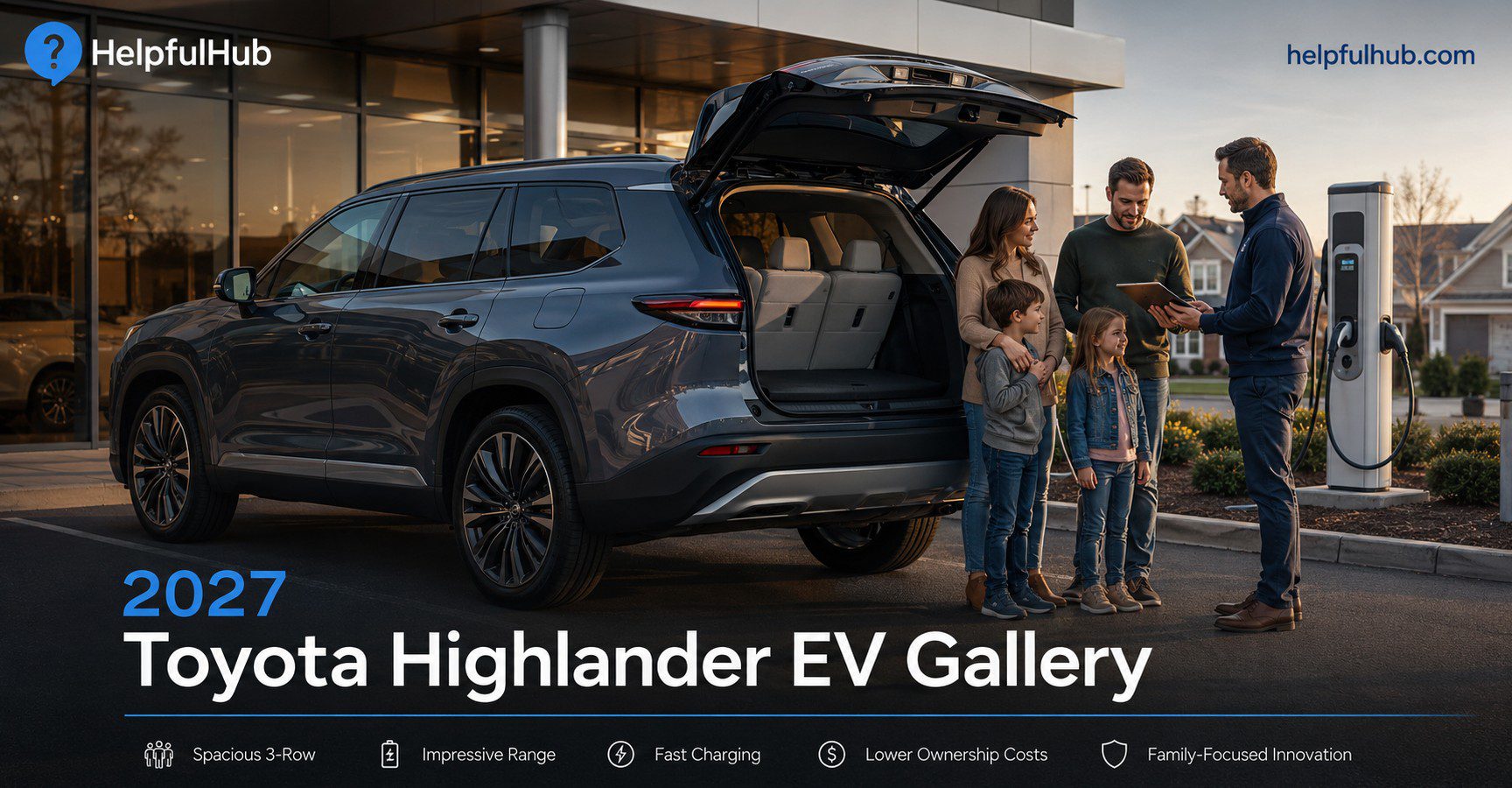
2027 Toyota Highlander EV Gallery: Exterior, Interior, Range, Charging and Full Details
Quick Answer: The 2027 Toyota Highlander EV Gallery is for readers who want a visual breakdown of Toyota’s all-electric three-row family SUV. The gallery covers exterior design, interior layout, seating, cargo, battery, range, Highlander EV charging, technology, and ownership details. Toyota lists selected AWD models with a 95.8-kWh battery and a 320-mile manufacturer-estimated range where applicable. That is not the same as a final EPA rating unless EPA confirms it. US buyers should compare home charging access, insurance quotes, family space, cargo needs, public charging routes, and real monthly cost before deciding.
Gallery Overview
This 2027 Toyota Highlander EV Gallery is designed like a visual buyer walkthrough. Instead of only reading specs, shoppers can study how the Toyota electric SUV may work in daily life. The 15 images cover the front design, side profile, lighting, rear hatch, wheels, home charging, battery packaging, dashboard, smart technology, front seats, second row, third row, cargo area, public charging, and dealership ownership review. For deeper context, see our Toyota Highlander electrification outlook. Image-based coverage helps families compare space, comfort, charging routines, and ownership priorities before visiting a dealer.
Exterior Gallery
Full Front Exterior View

Front exterior view of the 2027 Toyota Highlander EV showing its modern electric SUV design.
This front view gives the first impression of the 2027 Toyota Highlander EV as a cleaner, more modern family SUV. The smooth EV-style nose, wide stance, and crisp lighting help it look different from a traditional gasoline SUV without feeling too futuristic. For US buyers, the front view matters because it shows road presence, visibility, aerodynamic intent, and family-friendly personality. It also helps shoppers decide whether the Highlander EV feels refined enough for commuting, school runs, and weekend travel.
Side Profile and Three-Row Shape
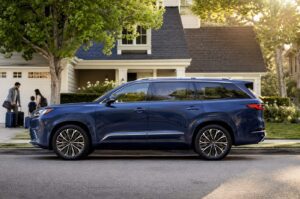
Side profile view showing the Highlander EV’s long three-row family SUV proportions.
The side profile is important because it shows how the Highlander EV packages a three-row cabin. A longer body, stretched roofline, and broad passenger area suggest a vehicle built for families rather than only style. Buyers should study this angle for garage fit, door access, rear-seat space, and cargo flexibility. A smooth roofline can also support efficiency, but real range still depends on driving speed, tires, weather, passengers, cargo, terrain, and charging habits.
Front Lighting and EV Nose Detail
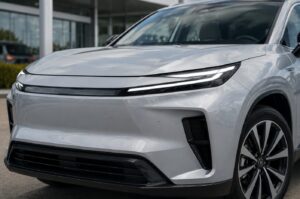
Close front detail showing the EV nose and modern lighting design.
This close-up focuses on the Highlander EV exterior details that shape its visual identity. A clean front section, modern lighting, and reduced grille area can make the SUV look more advanced while keeping a practical Toyota-style character. Families often overlook lighting, but it affects night visibility, curb appeal, and the sense of safety around the vehicle. This image also shows why EV design is not only about range. It is also about daily usability and confidence.
Rear Design and Tail Light View
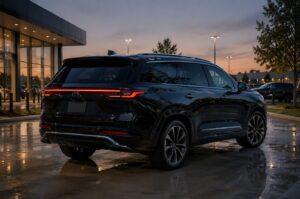
Rear exterior view showing the Highlander EV’s wide stance and family SUV utility.
The rear angle is where family practicality becomes easier to judge. A wide hatch, clean tail light design, and upright cargo opening can make loading groceries, luggage, strollers, and sports gear less stressful. US buyers should look beyond styling and think about rear visibility, liftgate height, bumper height, and cargo access. The best Toyota Highlander EV photos should show how the vehicle works when the family is packing for real errands, road trips, and weekend activities.
Wheels, AWD Stance, and Road Presence

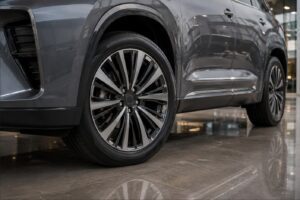
Wheel and stance detail showing the Highlander EV’s confident family SUV character.
Wheel design affects more than appearance. Large wheels may improve presence, while tire choice can influence comfort, road noise, efficiency, replacement cost, and winter confidence. For families considering AWD, the stance can suggest stability on wet roads, mountain routes, or snowy commutes. However, buyers should compare final trim details before assuming every version has the same tires or wheels. For ownership planning, tire cost and ride comfort can matter as much as exterior style.
Battery and Charging Gallery

Charging Port and Home Charging Setup
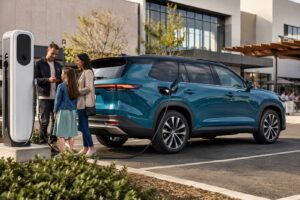
Charging-focused view showing how the Highlander EV fits into home EV ownership.
This charging image shows one of the biggest lifestyle changes for first-time EV families. A Level 2 home charging setup can make daily ownership easier because the SUV can recharge while parked overnight. Before buying, families should check garage access, electrical panel capacity, local installation cost, utility rates, and backup public charging options. Highlander EV charging should be planned before delivery, not after. A good home charging routine can reduce stress and make the Toyota electric SUV feel practical every day.
Battery and EV Platform Concept
Conceptual battery view showing how EV packaging supports range and interior space.
This conceptual battery view helps explain why the Highlander EV can be judged differently from a gas SUV. Battery placement under the floor may support cabin packaging and a lower center of gravity, which can help the vehicle feel planted. Toyota lists 77.0-kWh and 95.8-kWh battery options where applicable, but buyers should verify the final trim configuration. Range, curb weight, efficiency, tire choice, and charging speed can vary. Treat manufacturer-estimated numbers as useful guidance, not final EPA proof.
Interior Gallery
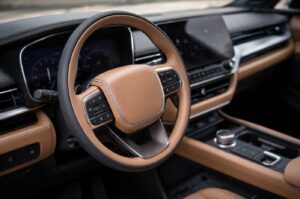
Driver Dashboard and 14-Inch Multimedia Screen

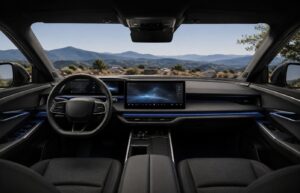
Dashboard view highlighting the large multimedia screen and modern EV cabin layout.
The dashboard view matters because an EV family SUV needs simple, clear information. A large multimedia screen can help with navigation, audio, phone pairing, charging locations, and route planning. Drivers should also look for easy climate controls, strong visibility, and quick access to common settings. A clean Highlander EV interior should feel modern without making everyday tasks complicated. Parents may especially value fast controls when kids, school bags, and charging stops are already part of the trip.
Digital Key and Smart Technology Area
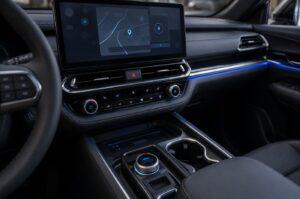
Smart technology view showing the convenience side of the Highlander EV.
This image highlights the convenience side of the 2027 Toyota Highlander EV Gallery. Digital Key 2.0 capability can be useful when parents share access, carry fewer items, or manage quick errands. Still, buyers should confirm device compatibility, subscription requirements, privacy settings, backup key access, and app features before relying on phone-based entry. Smart technology is helpful when it reduces friction. It becomes frustrating when owners do not understand setup, permissions, updates, or connected-service limitations.
Front Seats and Panoramic Roof Feel
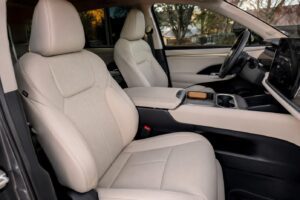
Front cabin view showing comfort, open space, and long-distance family driving appeal.
The front seat image helps shoppers think about daily comfort. A supportive driver’s seat, roomy passenger area, open roof feel, and clean dashboard layout can make long commutes and family trips more relaxing. For parents, comfort is not only about soft materials. It is also about visibility, storage, cup holders, charging ports, and how easy the cabin is to clean. A bright cabin may feel premium, but buyers should test seat support before choosing a trim.
Second-Row Captain’s Chairs or Bench Seating
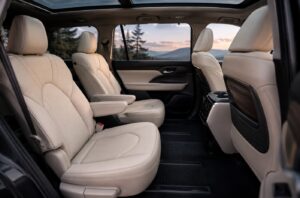
Second-row seating view showing family flexibility for passengers and child seats.
The second row can make or break a three-row family SUV. Captain’s chairs may improve walk-through access to the third row, while a bench can add seating flexibility when available. Families with child seats should test door opening width, latch access, seat tilt, and second-row legroom. A good Highlander EV interior should support school runs, grandparents, teens, and road-trip passengers. The right choice depends on how many people ride daily, not only how the cabin looks in photos.
Third-Row Seating for Family Use
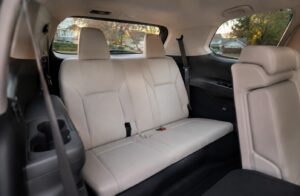
Third-row view showing the Highlander EV’s family-focused passenger layout.
The third row deserves a real test drive visit, not only online research. Kids may fit easily, teens may need more legroom, and adults may prefer the third row only for shorter trips. Buyers should check entry space, headroom, seat height, USB access, cup holders, airflow, and visibility. The 2027 Toyota Highlander EV is positioned as a three-row SUV, but every family uses the third row differently. Sitting back there is the best way to judge comfort.
Cargo Space with Third Row Folded

Cargo view showing how the Highlander EV supports groceries, luggage, strollers, and sports gear.
Cargo space is one of the most important reasons families shop for a three-row SUV. With the third row folded, the Highlander EV should be evaluated for strollers, sports bags, camping gear, luggage, groceries, and pet supplies. Buyers should also check cargo height, floor flatness, underfloor storage, and whether the second row folds easily. Toyota Highlander EV photos should not only look premium. They should help families imagine real weekly errands and long-distance packing.
Family Road Trip and Public Charging Scene
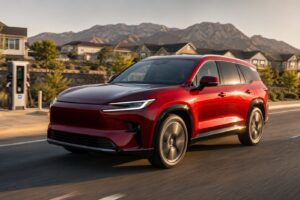
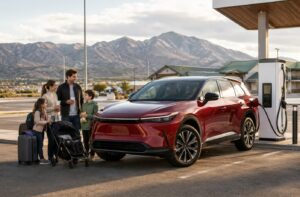
Road-trip charging scene showing how families may plan longer EV drives.
This road-trip charging scene shows why public charging matters for a family EV. Longer trips require planning around route distance, charger availability, charging speed, weather, luggage weight, and hotel charging. Families should also compare whether a smaller EV fits their life better; our Toyota C-HR EV buyer guide may help shoppers considering a more compact option. For the Highlander EV, the best ownership experience comes when public charging is treated as part of the travel plan, not an emergency backup.
Dealership Buyer and Ownership Cost Review

Dealership comparison view showing what buyers should review before choosing the Highlander EV.
The final image brings the 2027 Toyota Highlander EV Gallery back to real buying decisions. A family should review insurance quotes, financing, lease offers, dealer availability, home charging cost, public charging needs, warranty details, incentives, and total monthly payment. A test drive should include seat checks, cargo checks, screen usability, and charging questions. Before signing, read our complete new car buying guide 2026 USA to compare practical steps beyond the showroom excitement.
Family Buyer Details US Readers Should Know
US shoppers should treat the 2027 Toyota Highlander EV as a serious family SUV research topic, not only a new electric vehicle headline. Final pricing should be verified with Toyota or local dealers because trim, destination fees, dealer adjustments, and availability can change real cost. Final EPA range should also be checked before purchase because manufacturer-estimated range is not the same as a confirmed EPA rating. Insurance quotes matter, especially for a new electric SUV with advanced technology and battery components. Compare coverage early using our guide to the best car insurance options in the USA 2026. Home charging access is another major factor. Buyers should confirm Level 2 installation cost, utility rates, and public charging near regular routes. Third-row comfort, child-seat access, and cargo space with the third row up should be tested in person. EV incentives should be verified before purchase because eligibility can vary by vehicle, location, income, timing, and official rules.
Common Mistakes to Avoid
- Treating manufacturer-estimated range as final EPA range.
- Buying without a home charging plan.
- Ignoring public charging on family road-trip routes.
- Forgetting insurance quotes.
- Comparing only sticker price.
- Not testing the third row.
- Not checking cargo space with the third row up.
- Assuming every EV incentive applies.
- Copying copyrighted images without permission.
- Using AI images with official logos or trademarked badges.
Practical Expert Insight
The 2027 Toyota Highlander EV should be judged as a family SUV first and an EV second. A gallery can show the design, seating, cargo layout, charging lifestyle, and technology atmosphere, but buyers still need to verify practical details. The smartest US shopper should compare home charging access, real commute distance, road-trip routes, third-row comfort, cargo needs, insurance cost, final EPA rating, incentives, and real monthly payment before choosing. A strong Toyota electric SUV may look impressive online, but the right decision depends on how it fits your family’s daily schedule, parking situation, budget, and travel habits.
FAQs
What is the 2027 Toyota Highlander EV Gallery?
The 2027 Toyota Highlander EV Gallery is a visual buyer guide built around 15 image sections. It helps shoppers understand exterior styling, Highlander EV interior layout, charging needs, battery context, cargo space, family seating, and ownership planning. Instead of only listing specs, the gallery explains what each image means for real US families. It is useful for parents, commuters, road-trip shoppers, EV researchers, and Toyota fans comparing electric family SUV options.
Is the 2027 Toyota Highlander EV fully electric?
Yes, Toyota describes the 2027 Highlander as an all-electric three-row SUV. That means shoppers should think about home charging, public charging, battery range, EV incentives, insurance, and long-term ownership in a different way than they would with a gas or hybrid SUV. However, final details can vary by trim and market. Buyers should verify current Toyota information and speak with local dealers before making a purchase decision.
How many seats does the 2027 Highlander EV have?
Toyota describes the 2027 Highlander as a three-row SUV with seating for up to seven where applicable. For families, the exact seating layout matters because captain’s chairs and bench seating can change access, passenger capacity, and child-seat flexibility. Online photos are helpful, but they do not replace an in-person seat test. Parents should check the second row, third row, rear climate access, storage, and cargo space before choosing a trim.
What is the expected range of the 2027 Toyota Highlander EV?
Toyota lists selected XLE AWD and Limited AWD models equipped with the 95.8-kWh battery with a 320-mile manufacturer-estimated range where applicable. Other configurations may have different manufacturer-estimated range figures. This should not be treated as a final EPA rating unless EPA confirms it. Real-world range can change with weather, speed, terrain, passengers, cargo, tires, accessories, charging habits, and driving style.
Is the Highlander EV good for family road trips?
The Highlander EV may be a strong family road-trip option for buyers who plan charging carefully. A three-row layout, cargo flexibility, and long-range battery option can support family travel, but road trips need more planning than a gas SUV. Check DC fast chargers along your route, hotel charging, weather impact, and backup charging stops. Families should also compare luggage space with passengers onboard before assuming the SUV fits every trip.
What should US buyers check before buying the Highlander EV?
US buyers should verify final pricing, EPA range, local availability, insurance quotes, financing, lease terms, tax incentive eligibility, charging installation cost, and warranty details. They should also test the second row, third row, cargo area, infotainment screen, driver visibility, and daily storage. The 2027 Toyota Highlander EV Gallery can help narrow your research, but the final decision should come after official details, dealer confirmation, and a real family-focused test drive.
Final Thoughts
Final Recommendation: For family design research, study the exterior and seating images first. The best next step is to verify official Toyota details, use licensed or original images, and avoid copying publisher galleries without permission.